
Hit Enter to Search or X to close
Across the country, white supremacists are organizing to censor Black history in schools. Over the last five years according to Education Week, 21 states — which includes pretty much all the southern U.S. — have implemented laws that restrict teachers from promoting “Critical Race Theory” or anything that could potentially hurt a white kid’s feelings about being white. (Reminder: CRT was never being taught in K-12 education, but is instead a framework primarily taught to law school students.)
Obviously, this is a problem in itself. And, as to be expected, Black students and activists are fiercely defending the right to a complete and accurate education. For example, at Hillcrest High School in Alabama, when a school administrator told kids they couldn’t discuss the Civil Rights Movement or slavery during Black History Month, the students fought back. Hundreds walked out of class, organizers got the NAACP involved, and ultimately forced the school to rescind its racist limitation.
Yet when Southern working class conservatives support suppressing Black history and any facts that contradict the myth of American exceptionalism, both they and their children miss seeing the complete picture of their ancestors. That’s because Black history is also labor history.
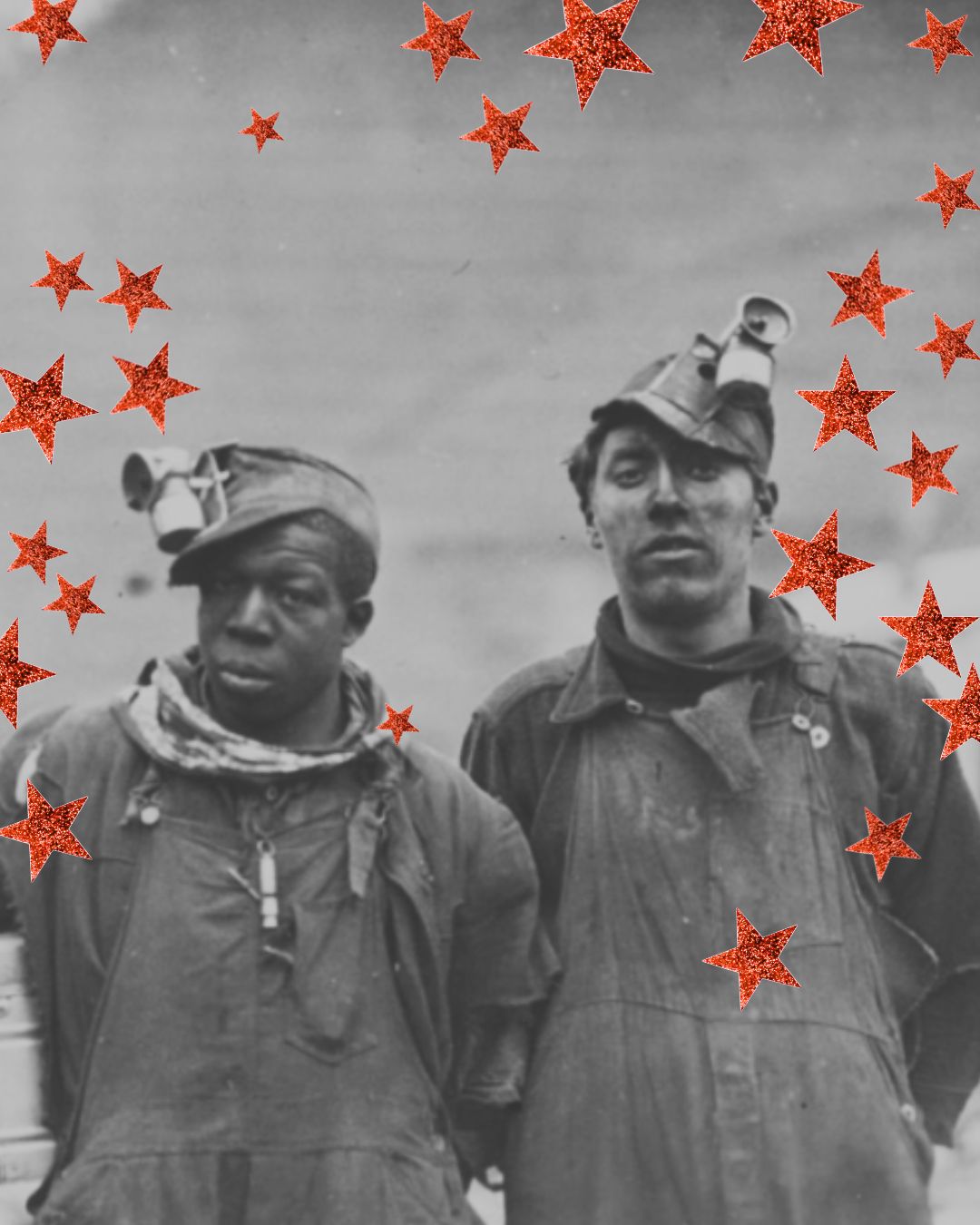
As for their white forebearers, many were full-fledged socialists that waged a life and death struggle against their bosses, the police, and paid right-wing militias. Moreover, some (though certainly not enough) even recognized how white supremacist beliefs held the white working class back and actively united with Black workers to strengthen their collective power.
To narrow our scope, let’s look at what workers in West Virginia, Texas, and Alabama were doing at the tail end of the 1800s going into the early 20th century.
Red Menace States
After the Reconstruction Era, the platocracy were successfully clawing back control of state and local governments. They reinforced racial grievance politics in poor white people. Additionally, the Great Migration, i.e. the massive movement of Black people going from the south to live up north, was getting started.
Simultaneously, unions were gaining momentum in the north. Southern elites chalked up the region’s lower union membership rates as a cultural feature of its society. “There is a good feeling existing between the employers and the employed, both white and black, at [sic] the South which is not equaled in any other section of this country, or in Europe either,” said one boss during a 1885 congressional hearing.
However, in an article in the Journal of Economic History, Gerald Friedman found data to suggest that it was rather a combination of structural factors (population diversity and density) and election competitiveness that best explains southern worker collectivization trends. Despite the challenges, class consciousness took over many mines, factories, and workplaces in the south — some of historic proportions.
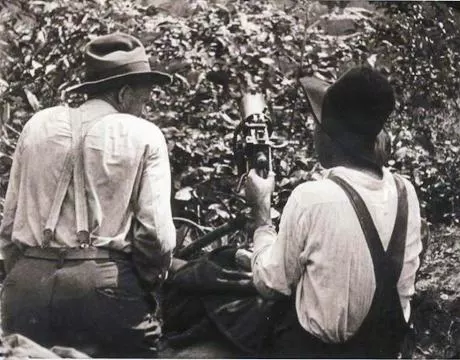
In West Virginia in 1921, there was the Battle of Blair Mountain. Though perhaps touched on in some schools, it is rarely framed accurately: during a two-day shoot out, a multiracial army of somewhere between 8,000 and 15,000 coal miners waged the biggest explicit class war in U.S. history. As Heber Blankenhorn contemporarily wrote for The Nation, around a quarter of the marching workers’ army was Black. The battle was the culmination of a decade of hired mercenaries terrorizing the company towns, evicting strikers, and murdering workers along with their wives and children. The miners’ cause was supported by socialist agitators like Mother Jones. Labor organizers also compared their plight to that experienced in czarist Russia, a likely nod to the conditions revolutionaries faced pre-October revolution.
More Red southern history comes out of Texas. Not only was it the place of the Great Cowboy Strike of 1883, but home to The Rebel, the country’s third biggest socialist rag during the early 20th century. The paper’s editor, “Red Tom” Hickey, also helped grow the Texas Socialist Party into a force only rivaled by the Democratic Party.
Then there’s Alabama. In 1908, a coalition of Black and white coal miners organized a massive strike to get their union status recognized. Another strike was held in 1920. According to researcher Ronald Lewis, state politicians rationalized their violent anti-labor crackdown in part due to the workers meaningfully subverting the area’s apartheid system. Bosses made racist appeals outside the union to turn the public against the strikers.
So What Did We Learn, Class?
There are lots of lessons to pull from this period of southern unionizing efforts. From Friedman’s data analysis, one is that competitive elections — ones that include Black voters and don’t give politicians easy wins — lead to stronger workers power. When elected officials fear that breaking a strike could cost them their campaign, they tend to give in to worker demands.
We can see this from Alabama in 1894. That year, Governor T.G. Jones barely beat the leftist People’s Party candidate at the ballot box, and so called off the troops from attacking miners on the picket line.
Along the note of Black suffrage, fostering racial solidarity is essential both within workers organizations and the public at large. Fascists know that workers rights and minority rights are intertwined — that’s why the KKK was not only white supremacist, but anti-communist.
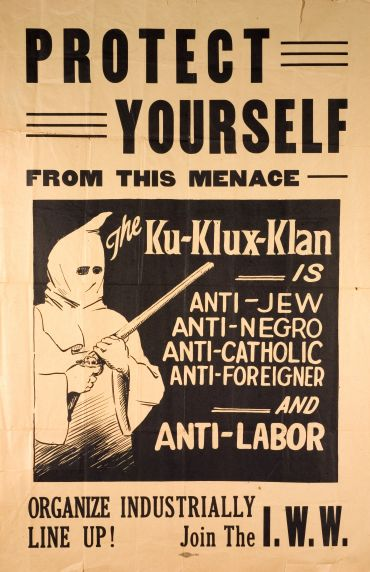
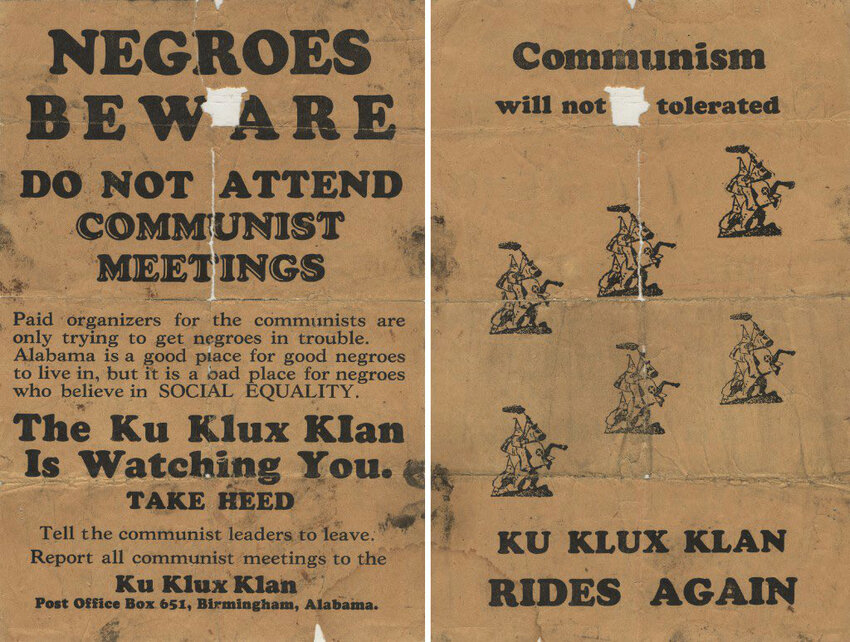
As such, we can’t shy away from movements that call for abolishing the police; the cops shoot black and white strikers alike. It also means labor advocacy must support abolishing prisons, as bosses often used convict (forced) leasing to break strikes.
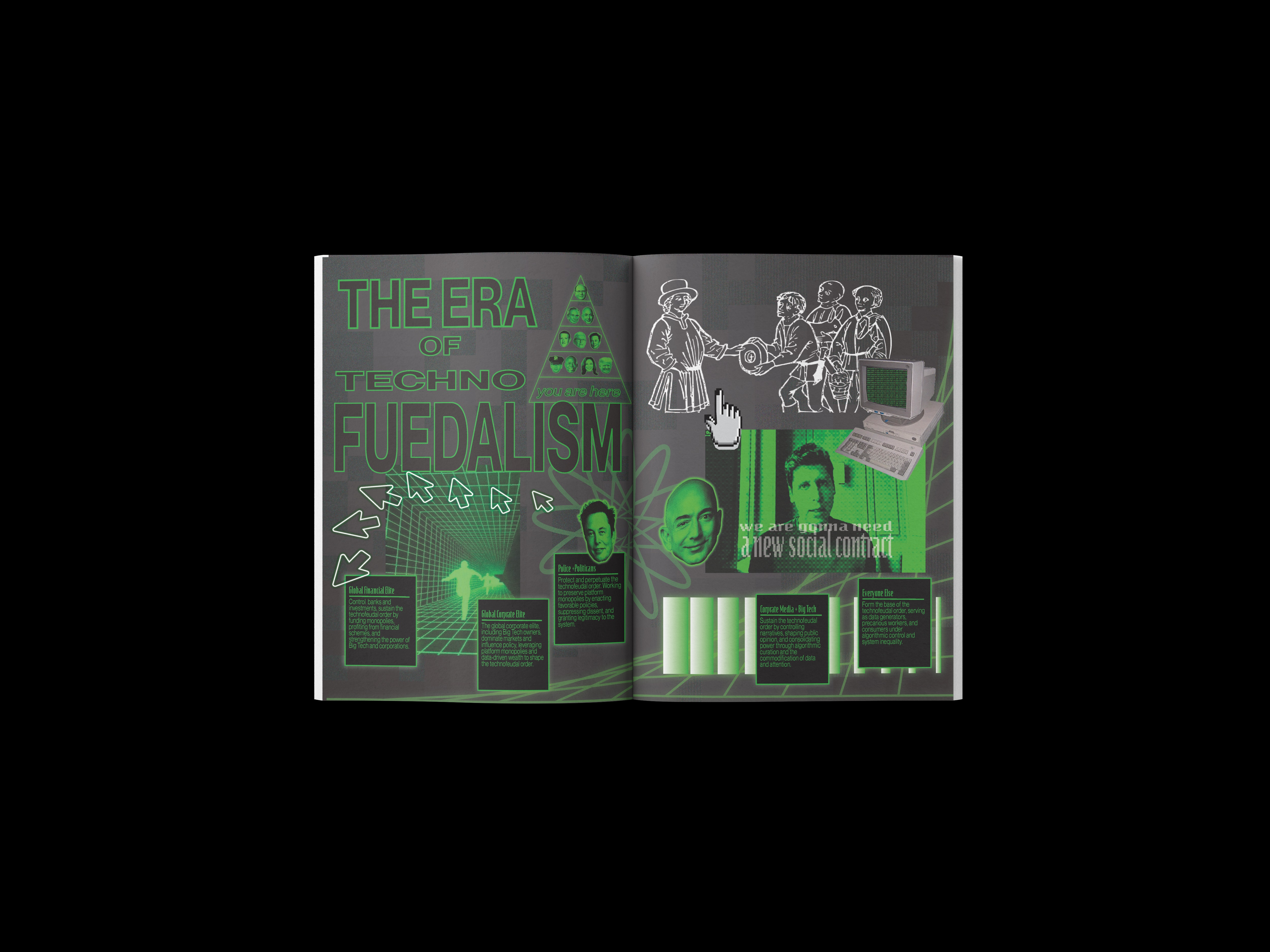
A final takeaway from Friedman’s research is that strong communal ties outside work are crucial to building worker power. Historically, this is usually easier to build in cities and is why southern metros like Birmingham, New Orleans, and others were major union hubs. This is opposed to company towns that are harder to organize in. Company towns may seem like a bygone relic, but unfortunately this lesson remains relevant as the tech oligarchy rushes to build anarcho-capitalist “Freedom Cities.” Still, organizing isn’t impossible when there is fearless political education, as seen in the company-town resident fighters at Blair Mountain.
With that, we’re back to the issue of teaching. While speaking about modern conservatives suppressing Black history, historian Elizabeth Todd-Breland told Truthout, “Education has always been political and has always been a site of struggle.” In clinging to a sanitized view of this country, working class MAGA and America First whites are not only complicit in perpetuating anti-Black social systems, but in erasing their own history, too. A history that shows how the powerful divide the working class and the agitators, socialists, and everyday people who resist by any means necessary. These lessons need not be stuck in the past.




.png)