
Hit Enter to Search or X to close
My heart beat furiously as tears streamed down my face. I struggled to breathe.
"Are you alright?" my partner asked as I dry heaved.
The stress of my life had finally caught up to me. I was having a panic attack, and it felt like I was dying.
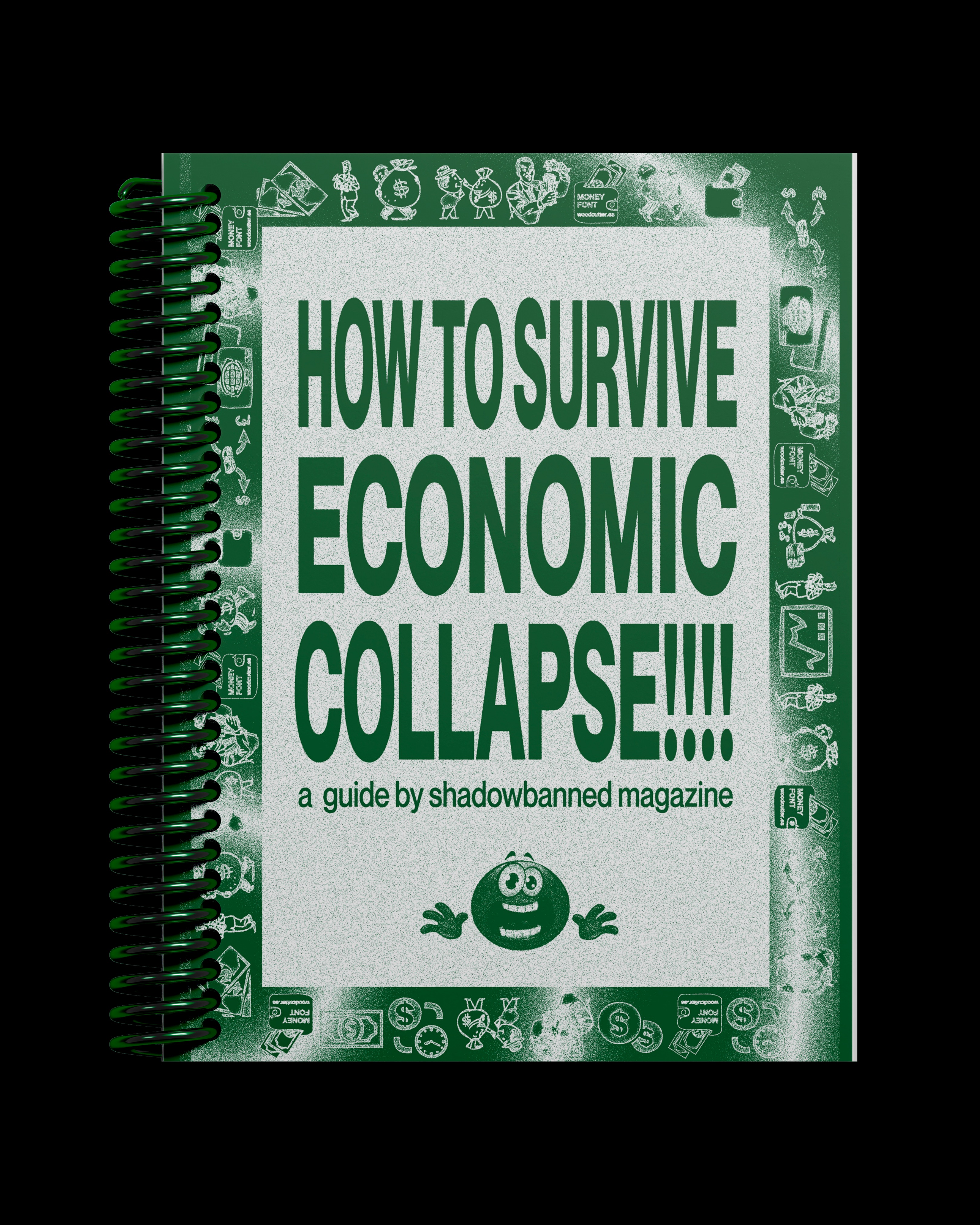
At that point in my career, I'd worked as a teaching artist in schools throughout the SF Bay Area. I'd taught hundreds of children. During my workshops, students wrote and performed skits about a significant change in their lives. In affluent neighborhoods like Pacific Heights, kids wrote about the first day of school or their favorite pet. Meanwhile children in communities like Bayview Hunters Point wrote about the death of a family member to gun violence or crossing the border for a better life. I’d spend sleepless nights over-thinking about their experiences — the bravery they harnessed to write them down. I cherished working as a teacher, but our program was routinely close to landing on the chopping block during budget cuts. I loved being an artist too, but I didn't have the monetary support or professional connections needed to carve out a creative life that could also sustain me financially. And, ironically, whenever I dared consider a significant change in my own life, the zeros from my student loan balance would bubble up like boiling water. I’d reflect on my decision to move to California to pursue higher education, seething with the realization that my labor as a teaching artist was uniquely situated at the nexus between educating and art-making — two historically underpaid and underappreciated professions. My student debt operated as a poverty tax in addition to low pay, rubbing salt in the wound of long hours of lesson planning or late nights performing for “exposure.” At the time, I owed roughly eighty thousand dollars after earning a MFA degree. Today, my student debt balance has climbed to $124,567.55.
Like millions of other debtors, I was recently instructed to vacate the SAVE repayment plan — the most affordable repayment plan to date. Soon I’ll be forced to choose a more costly plan, which means my payments might be higher than my rent. The thought of throwing money into a bottomless pit till my late seventies is enough to make my skin crawl. But this chaos is precisely where creatives should get to work. Artists burdened by student debt serve as a case-study in an economy that increasingly traps and harms care workers. It’s time for us to get politicized. It’s time for us to demand livable wages for our labor and the mass debt relief politicians have the legal authority to administer. If we fail to act, communities in California and across the U.S. will increasingly become places where curiosity disappears and monotony and authoritarianism rise in its place.
.jpg)
“All the Leaves are Brown and the Sky is Grey”
California, home to one of the largest economies on the planet, also sells itself as a state where artistic dreams become reality. Think the glowing Hollywood sign or the Golden Gate Bridge stretching across the bay. Every year, people arrive in droves believing that with ambition and talent, they too can attain success. Arts and cultural production contributed nearly $300 billion to California's economy this year. But student debt casts a long shadow over the Golden State's impressive glow: Californians carry more student debt, on average, than any other state in the nation — roughly $156.7 billion in total. And yet, this crisis is under-discussed by liberal politicians who bemoan the "affordability crisis,” as if student debtors aren’t working class or disproportionately women. They’re also artists.
The ability to sustain an arts practice has always depended on wealth and artists from affluent backgrounds are better positioned to absorb financial uncertainty. Working-class artists on the other hand — not so much. To make matters worse, artists' labor is still too often dismissed as a passion project, leaving creators uniquely vulnerable to low pay, dependent on wealthy patrons, or excluded from traditional labor protections. Enter predatory for-profit colleges that advertise themselves as stepping stones to a thriving career in the arts, and have spent decades marketing expensive degrees to single mothers, veterans, first-generation students, and more — trapping people in debt while receiving millions in federal student aid. Even if you’re lucky enough to go to a traditional art school, you can easily become buried in student debt too. Don’t assume your exorbitant tuition fees will keep your school up and running though. Institutions are in the red as well, owing money to creditors to offshoot decades of divestment. This debt shapes which schools shutter and which faculty get fired.
Every monthly student loan payment squeezes already distressed workers because it competes with groceries, rent or healthcare. Every second job picked up to cover expenses robs artists, in particular, of time to create, rehearse or even brainstorm new projects. In the essay, Debt is Wage Theft, Debt Steals Leisure Time, Debt Can Suppress Strikes: Debt is a Labor Issue, Prof. Jason Wozniak argues that “interest-heavy loans act as a regressive kind of pay cut, reaching deep into workers’ take-home earnings.” Now imagine having the audacity to work as a teacher or an artist, but society expects you to pay your bills in warm and fuzzy feelings, or worse — resilience. No wonder student debt is linked to increased anxiety, depression, even suicidal ideation. Perhaps its most heinous assault is how debt narrows people’s horizon of possibility altogether; artists delay buying homes or starting families. Creativity requires risk taking but student debt shackles artistic visionaries for decades. Every abandoned MFA application, empty studio, delayed album or classroom that loses an arts-educator sends ripples throughout the community. The result is that classrooms further prioritize standardized testing and new artists are snuffed out before they’re even born.
A Dumpster Fire — by Design
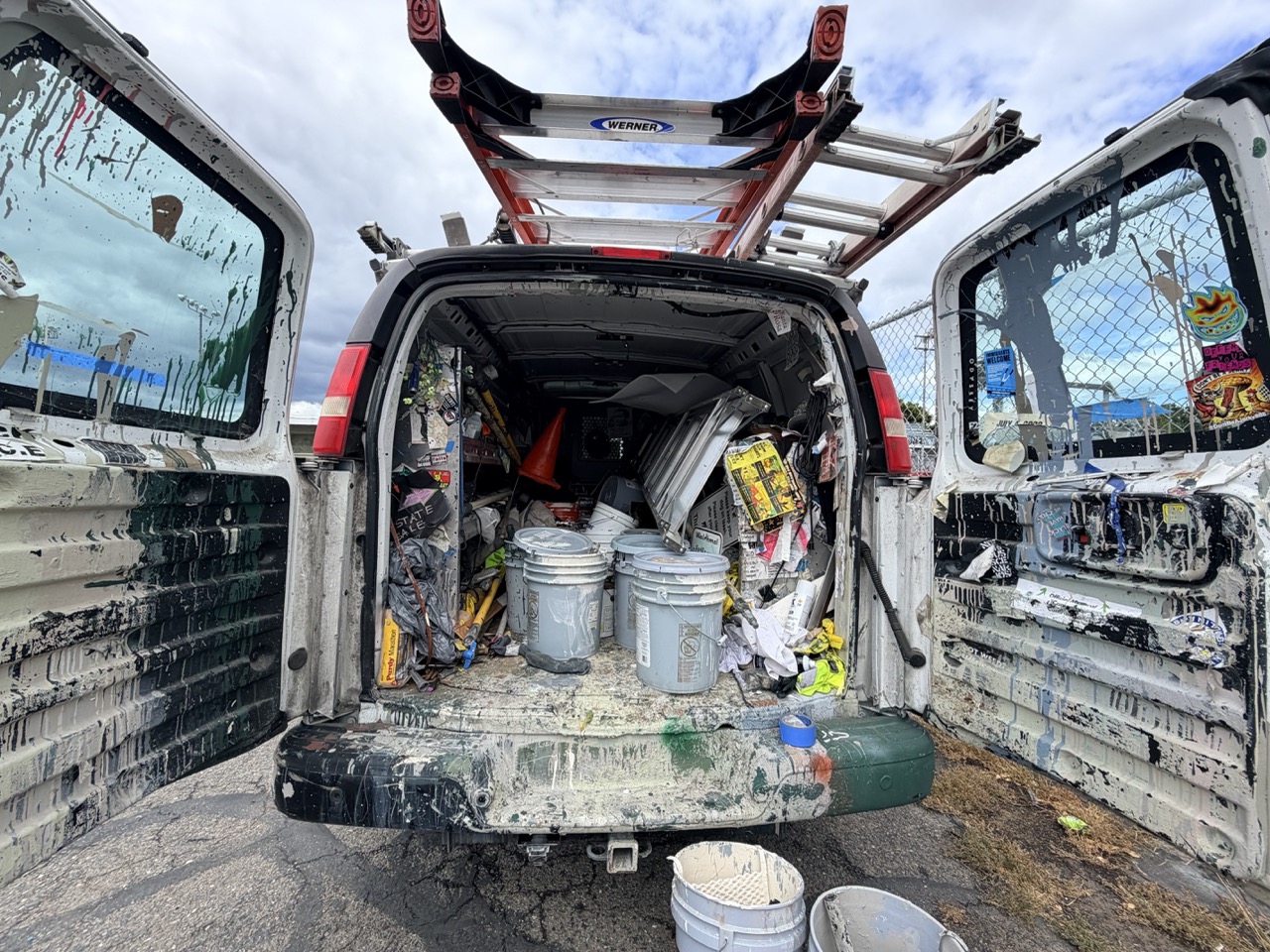
Though the Trump administration didn't create the student debt crisis — a crisis with deep roots in California — they are certainly making a dysfunctional system into a dumpster fire. In July, millions of debtors were told to exit the SAVE repayment plan, which was the most affordable repayment plan to date. Meanwhile student loan servicers like MOHELA and Nelnet have long histories of administrative errors, particularly when debtors switch plans. But the Department of Education has been hollowed out through massive staffing cuts, so debtors continue to receive conflicting information about their loans. This is the reality we face: Trump’s DOE has dismantled much of the infrastructure responsible for administering student loans while simultaneously demanding repayment — or else!
But there are silver linings. The recent Sweet vs. McMahon lawsuit is officially the largest class action lawsuit against the government in history, winning over $23 billion in student debt cancellation for over 450,000 people, including many artists. What makes this win so important is it is a prime example of the power of organized debtors. This success could not have been achieved without a form called Borrower Defense to Repayment, which was first created by fifteen Corinthian college debt strikers and later adopted on the DOE’s website. This proves that economic disobedience is an important step in organizing efforts, but artists must start by speaking up about our pain, releasing the shame around owing student debt and embracing solidarity instead. As the Trump administration further opens the floodgates for for-profit colleges like the Art Institutes to become the norm again, artists must fight for an immediate pause on all federal student loan payments, with the North Star being mass cancellation and college for all.
An Artist's Job…
In 2021, after a decade of teaching creative writing in classrooms, on college campuses and within youth detention facilities, I found out about a debtors’ union called Debt Collective. Because I didn't work a traditional nine to five, it wasn’t easy for me to join a labor union, but my debt served as both a way to foster solidarity and as potential leverage. Organizing with other debtors helped me release the stigma about being another day older and deeper in debt. Suddenly I realized the debilitating anxiety I was feeling wasn’t out of thin air. Instead, it was my body’s reaction to class war. You see, dancers, musicians, sculptors, actors and more need educational advancement and access to professional networks, just like other workers. But many cancellation programs like Public Student Loan Forgiveness (PSLF) fail to account for non-traditional employees like artists — the original “gig workers." Back when I was a teaching artist, I assumed my panic attack was about my personal mistakes. I approached it as an epic individual failure. Now, I realize it was a human reaction to long hours, low pay and job insecurity, a reaction that many artists — and other workers who navigate precarious conditions — shared with me, albeit in silence. Instead of being positioned at the margins of working class issues, artists should be treated as canaries in a coal mine; our experiences sound the alarm about wider economic trends. Our dreams for a more just future can also rupture the status quo. And since the current status quo requires millions of people to pour money into a federal student debt machine that is crushing us even as it’s breaking down, artists should get organized, get to creating, and like Baldwin taught us: “disturb the peace.”



.png)