
Hit Enter to Search or X to close
.jpg)
*This op-ed is part of Midterm Election Series: Lessons from Reconstruction, a series running up to the midterm elections that examines the parallels between the Reconstruction era and American politics today.*
When people describe American politics right now, the same three phrases keep surfacing: this is not America, this is not who we are, this is unprecedented.
But it really isn't. We have been in this political moment before. We have had an executive branch so saturated with graft that the men around the president ran the government like a private venture. We have had a Supreme Court that took civil rights amendments and narrowed them into nonexistence. We have had a financial collapse and a government whose choices deepened it into a depression. We have had white terrorists who understood, correctly, that Washington would not punish them. We have had working people fighting to claim rights the law already said they had. And we have had a presidential election decided amid dueling accusations of fraud, voter suppression, competing returns, and calls to do a "January 6." All of that happened in a single era. It was called Reconstruction.
If we want to understand what may be coming in November, we should understand how Reconstruction began, how it was attacked, and how it ultimately ended.
The Country Tries Democracy
Freedom did not automatically make the formerly enslaved safe. Four million people had been emancipated into a region still governed, policed, and economically controlled by many of the same white men who had enslaved them. Forcing the federal government to intervene in ways that were unprecedented in American history.
Congress created the Freedmen's Bureau to provide food, establish schools, and help formerly enslaved people navigate labor contracts and the legal system. It passed
the Civil Rights Act of 1866 over President Andrew Johnson's veto. The Thirteenth Amendment abolished slavery, the Fourteenth established citizenship and constitutional
protections, and the Fifteenth prohibited racial discrimination in voting. The federal government backed those constitutional changes with military and administrative power, placing former Confederate states under military administration and making readmission to the Union contingent on accepting the new constitutional order.
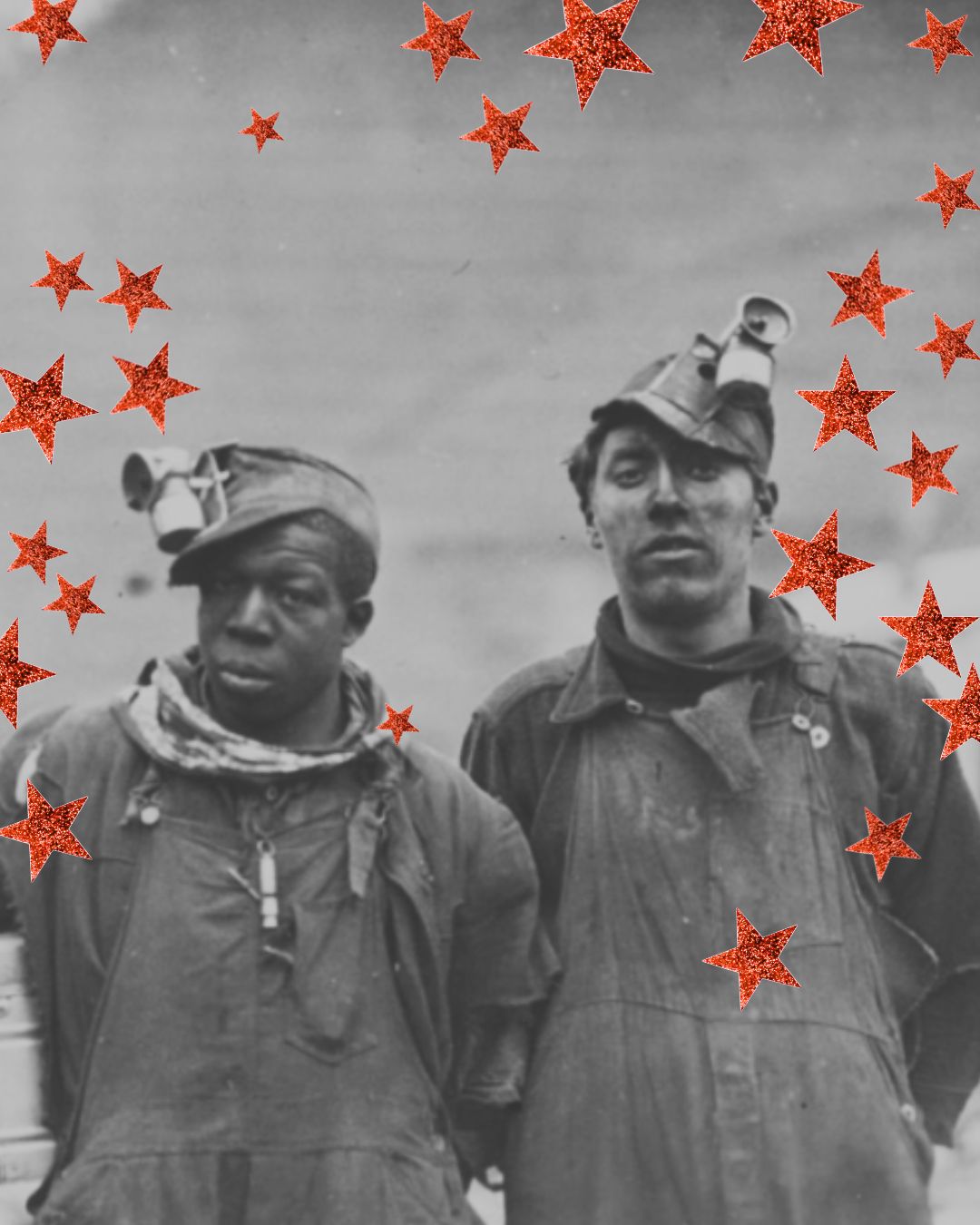
For a brief period, Black Americans voted, ran for office, and became sheriffs, legislators, judges, mayors, congressmen, and senators. Roughly 2,000 Black men held public office during Reconstruction, including two United States senators. In parts of the South, Black voter participation reached levels that would
not be seen again until the civil-rights era. You might call the Reconstruction era, "WOKE" the prequel, and just like the current iterations of woke culture today, it was met with major backlash.
When Voting Becomes Dangerous
The opposition to Reconstruction initially presented itself in familiar constitutional language. Southern Democrats argued against federal overreach, defended states' rights, and insisted that local government should remain under local control. Over time, however, political opposition developed into an organized campaign of violence.
The Ku Klux Klan emerged as an instrument of terror, and when federal enforcement weakened the organization, other groups such as the White League and the Red Shirts continued the campaign. In Colfax, Louisiana, in 1873, a white militia attacked a courthouse where Black men had gathered to defend Republican local government leading to hundreds of being killed.
In Mississippi, political violence was normalized. Republican organizers were threatened and murdered, Black political gatherings were attacked, and armed groups were used to intimidate Black voters. The purpose was not necessarily to prevent every Black voter from casting a ballot, but to make these communities believe that political participation was dangerous. Reconstruction shows us how democratic systems can be undermined. You do not need to prevent everyone from voting. You can instead make participation difficult, frightening, or uncertain that enough people decide not to participate.
The Supreme Court Fails to Protect Voter Rights
The Supreme Court did not help protect these voters. Chief Justice Morrison Waite was particularly hostile to the expansion of Black civil rights. In the Slaughter-House Cases of 1873, the Supreme Court interpreted the Fourteenth Amendment's Privileges or Immunities Clause so narrowly that it provided little protection for most civil-rights claims. Three years later, United States v. Cruikshank, which arose from the Colfax Massacre, the court further limited the federal government's ability to protect Black Americans from racial violence and violations of their constitutional rights. Together, these decisions helped weaken Reconstruction-era civil rights protections and contributed to the federal government's abandonment of racial equality enforcement.
Federal prosecutors had convicted men involved in the massacre, but the Supreme Court overturned the convictions and sharply limited the federal government's ability to prosecute private individuals for violations of constitutional rights. The Court's interpretation of the Fourteenth Amendment meant that federal authority could not be used to prosecute private individuals for depriving other citizens of their rights.
The consequences were devastating. Black citizens who were being terrorized by white mobs had fewer avenues for federal protection, while local governments were often unwilling to intervene against the people carrying out the violence.
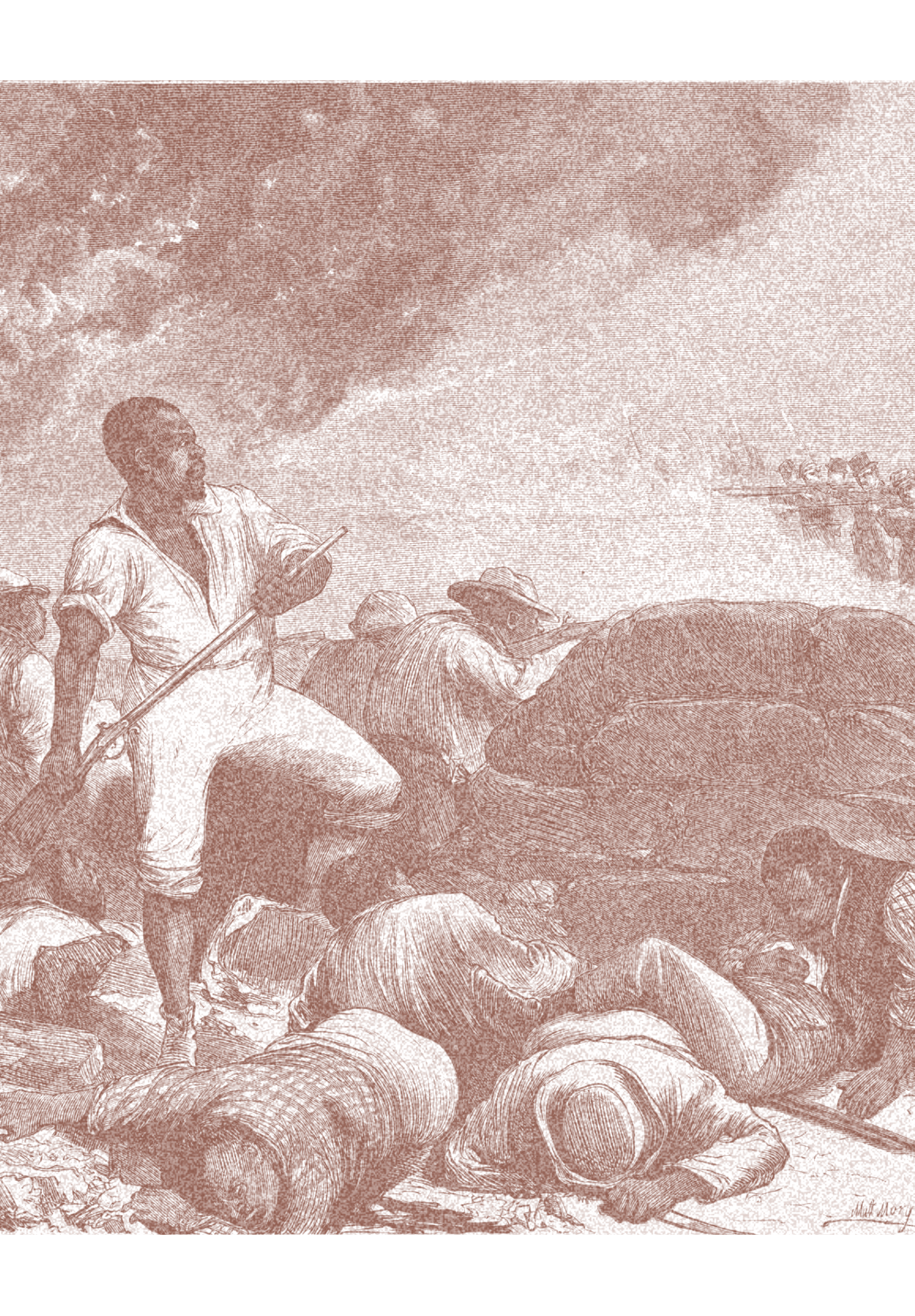
November 1876
Then came the election of 1876. Samuel Tilden, the Democratic governor of New York, won the popular vote by roughly a quarter of a million votes and appeared to have
184 electoral votes, one short of the presidency. Rutherford B. Hayes had 165. Twenty electoral votes remained disputed across Florida, Louisiana, South Carolina, and Oregon. Both parties submitted competing claims in the disputed states, and accusations of fraud and electoral manipulation came from both sides.
The Republican case was deeply connected to the violence that had preceded the election. Republicans documented voter intimidation and attacks on Black voters and Republican organizers in Southern states where the results were disputed. Democrats, accused Republican-controlled election boards of manipulating the returns. Democrats were also accused of bribing election officials.
Making the situation even more complicated. The contested election could not be resolved in congress. The House was Democratic, the Senate was Republican, and the Constitution did not provide a clear resolution. Leading to the creation for the first and only time in American history of a fifteen-member Electoral Commission made up of legislators and Supreme Court justices. The commission voted 8-7 along party lines to award every disputed electoral vote to Hayes, who ultimately won the presidency 185-184.
The country avoided an immediate constitutional breakdown, but although the resolution kept Republicans in power, it did not protect Reconstruction. The political settlement surrounding Hayes's inauguration helped bring the federal government's commitment to Reconstruction to an end.
That decision had consequences that lasted far longer than the election itself, and put the country in an era of an era of racial terror and oppression that wouldn't be confronted by the general public for almost 100 years.
The Price of Political Stability
There is a comforting version of what happened next. The election was resolved, the country avoided another civil war, political stability returned, and
the constitutional order survived. But, Black Americans paid the price for that stability. The federal government's retreat allowed white Democratic governments to
consolidate power across the South. Disenfranchisement, racial terror, segregation, and political exclusion became entrenched. The country continued to hold elections and call itself a democracy while millions of Black Americans were systematically prevented from exercising the political rights that Reconstruction had briefly secured. Proving that democratic collapse does not necessarily mean the end of elections. A country can preserve its institutions in name while making those institutions increasingly inaccessible to a large portion of its population. Rights can remain written into the Constitution while the government stops protecting the people who possess them. That is what makes Reconstruction relevant now.
What is Repeating Itself
Although, the parties are different, and the electorate is vastly different from the one that existed in 1876, the parallel is not that today's Republican Party is literally the Democratic Party of Reconstruction, or that Donald Trump is literally another Southern Redeemer. The parallel is the political reaction that developed when a newly empowered multiracial electorate threatened an established political order.
During Reconstruction, Black political participation expanded, a backlash developed against that participation, and political leaders increasingly questioned the legitimacy of the voters and governments produced by Reconstruction. Violence and intimidation were used to suppress participation, while legal and institutional battles determined who could vote and who could administer.
That playbook is what we we are watching play out today. The contemporary circumstances are different, but history sure does rhyme. Claims have again emerged that certain voters, voting methods, cities, or states are inherently associated with fraud. Election rules have become a political battleground. Federal and state governments are fighting over authority. Federal agencies are attempting to become more involved in election administration. Political leaders are promising investigations into alleged fraud, and voters are being told that the electoral system is corrupt before they have even cast their ballots.
One Big Difference
There is, however, one enormous difference between 1876 and today. In 1876, the people attempting to dismantle Reconstruction did not control the federal government.
The White League and Red Shirts operated outside Washington, and federal power was the obstacle they were trying to overcome.
Today, political forces questioning the legitimacy of elections have access to that federal power. The Trump administration has pursued an increasingly aggressive federal role in election administration, including efforts involving mail voting, voter rolls, election monitoring, and federal access to state election information.
In March 2026, President Trump issued an executive order directing federal action concerning election administration and mail ballots. The Postal Service subsequently moved toward implementing new requirements involving voter lists, ballot envelopes, and identifying information. Those rules have become the subject of ongoing litigation between the federal government and states, and just recently the U.S. District Court in Massachusetts ruled against the Trump administrations attempt to regulate mail-in ballots via USPS. In her order on September 4, 2026, Talwani cited, "the rushed nature of the rule ... threatens disenfranchisement of millions of United States citizens who seek to vote by mail."
Voters are at risk of not knowing whether their mail ballot will be accepted. A voter who hears that the federal government is investigating voter rolls may wonder whether their registration is secure. Communities might be deterred to go to polling places if they see federal personnel outside, who could be there to protect or more likely instigate.
With the increased stakes and Trump deploying approximately 1,000 election monitors to oversee the integrity of the election, questions remain about what that monitoring will actually look like. As of right now, it is unclear who would make up the approximately 1,000-person monitoring force. DOJ election monitors generally observe polling-place procedures and assess compliance with federal voting laws; they do not administer elections, determine voter eligibility, or direct local election officials.
The Civil Rights Division itself is far smaller than that 1,000-person figure, but the DOJ could potentially draw personnel from U.S. Attorneys' offices and other components of the department for election monitoring. However, there is no guarantee that the administration would not also pull government employees from other departments, such as DHS, and deploy ICE agents as monitors.
President Trump and his allies are desperate to improve their chances of winning elections. They have repeatedly suggested deploying ICE agents to voting locations for that purpose - to sow discord and confusion. Steve Bannon called the ICE airport deployment a "dress rehearsal" for the fall. The Republican nominee for governor of Maine stated that he would ask the White House border czar to send agents to Maine polling places. When asked in May whether he would send the National Guard or ICE to polling locations, Trump said he would do whatever was necessary to have "honest elections."
Furthermore, there have recently been reports that the FBI revised its hiring standards, including allowing candidates who have engaged in prostitution and stealing from an employer to apply for a role with the agency. These changes come after scores of FBI agents have resigned or retired during the second Trump administration. Reports also indicate that the FBI is aggressively hiring right now, which is concerning with the elections only two months away. There is a real risk that Trump is building
another federal body, like ICE, that is loyal to Trump and Trump alone.
Whether or not these deployments ultimately occur, the mere suggestion is enough to create fear, chaos, and affect voter participation come midterms.
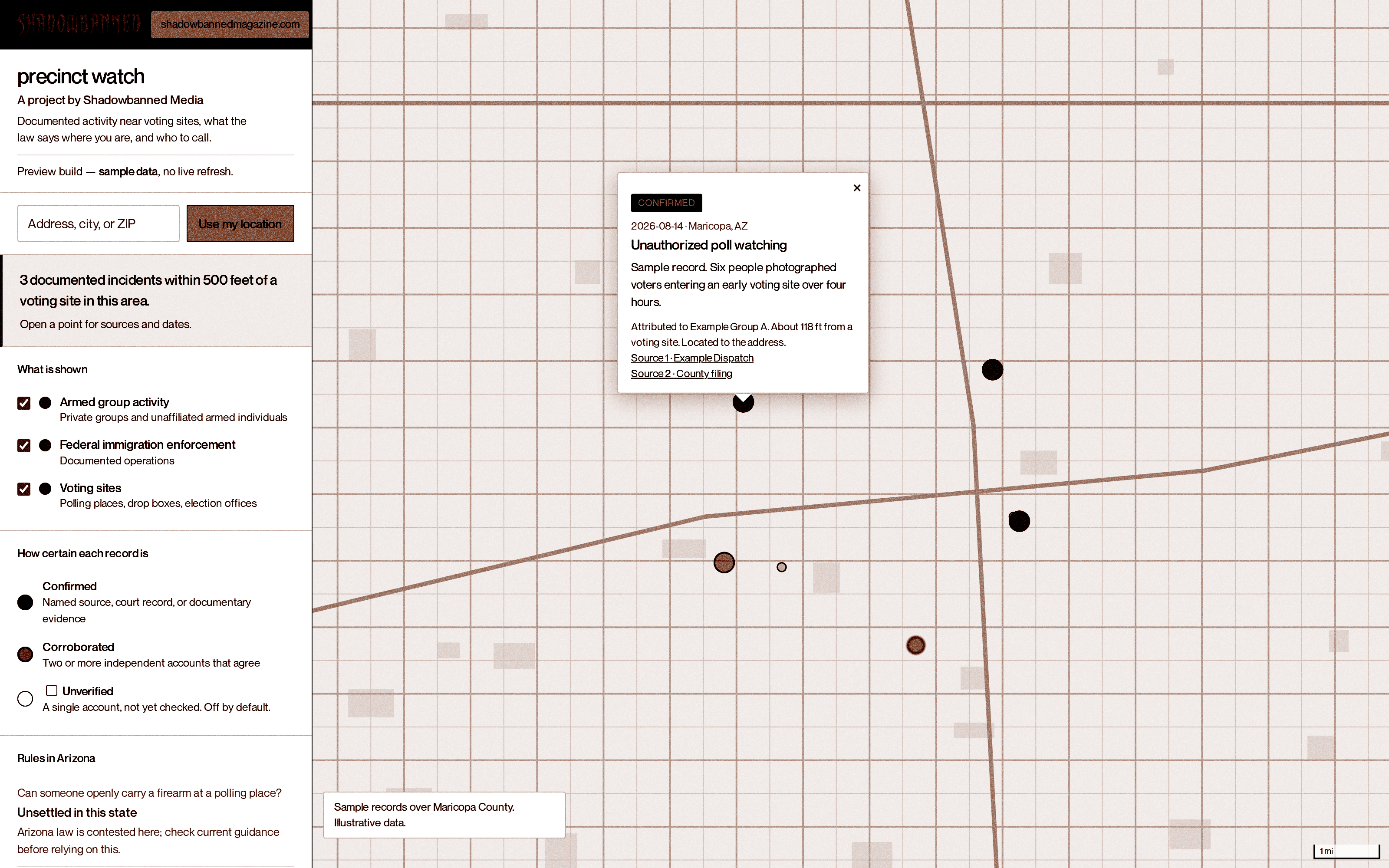
Don't wait until Election Day to defend democracy
Elections don't start on Election Day, or even when you can start sending mail-in ballots. The election and its outcome are being shaped right now through decisions about registration, polling locations, mail ballots, identification requirements, election administration, and access to the courts. If we wait until November to pay attention, some of the most consequential decisions will already have been made.
Check your registration now and often until election day. Learn your state's early-voting dates and understand the rules for requesting and returning a mail ballot. If you plan to vote by mail, follow your state's official instructions carefully, particularly while federal rules remain subject to litigation. Help other people you know do the same (vote in person, if you can.)
If something goes wrong at your polling place, DOCUMENT, DOCUMENT, DOCUMENT! Tell a poll worker and, if necessary, contact Election Protection at 866-OUR-VOTE. Trained volunteers and lawyers can help determine whether what you are experiencing is illegal and what steps can be taken.
Do not spread unverified claims about election agents, fraud, stolen ballots, or closed polling places. If we respond to every rumor with another rumor, we become part of the confusion that makes democratic participation harder.
The objective should be to remain organized and informed inside the chaos rather than allowing the chaos to prevent people from voting.
Community organizations, voting-rights groups, legal organizations, poll watchers, and election workers have spent years developing systems for documenting problems, assisting voters, and challenging unlawful conduct. Organize! Create groups to escort voters, carpools to get people to the polls in remote areas, and resources on the ground to support voters waiting in long lines. Bring chairs. Create a feed or voting-location tracking system for citizens to easily follow if polling locations change. Organize your own security. We saw what happened in Minnesota when the rogue federal agency ICE killed someone in their community who was just trying to document their actions. The community established their right to protect themselves via the Second Amendment. You should be prepared to be met with armed individuals, whether they are from a federal agency or independent right-wing militia groups. Displaying a show of force is a deterrent that works both ways. Of course, make sure anything you do remains within the laws of your state and locality.
If federal personnel are deployed around polling places, the appropriate response is to be peaceful and organized. Document what happens when it is safe to do so, report violations through appropriate channels, and avoid confrontations that could be used as a justification for restricting access to the polls.
We Have Been Here Before
There is something comforting about knowing that we have been here before. Increasingly, with each day, it seems like we are on the brink of collapse, and that the American Project, and the best part of its myth - a nation built under the premise that all men are created equal - is impossible. Even though we spent almost a century
post- Reconstruction in a profoundly dark era in American history, where the citizens who built this country did not have the same rights, protections, or ability to participate in democracy as everyone else, along with the violence and dehumanization that endured for almost a century, the country eventually found its way back to justice. Let's make sure we don't have to learn the hard way ... again.
Please note that this article was originally published on September 7 and has since been updated to reflect relevant developments following the Supreme Court’s ruling on mail-in ballots.
.jpg)