
Hit Enter to Search or X to close
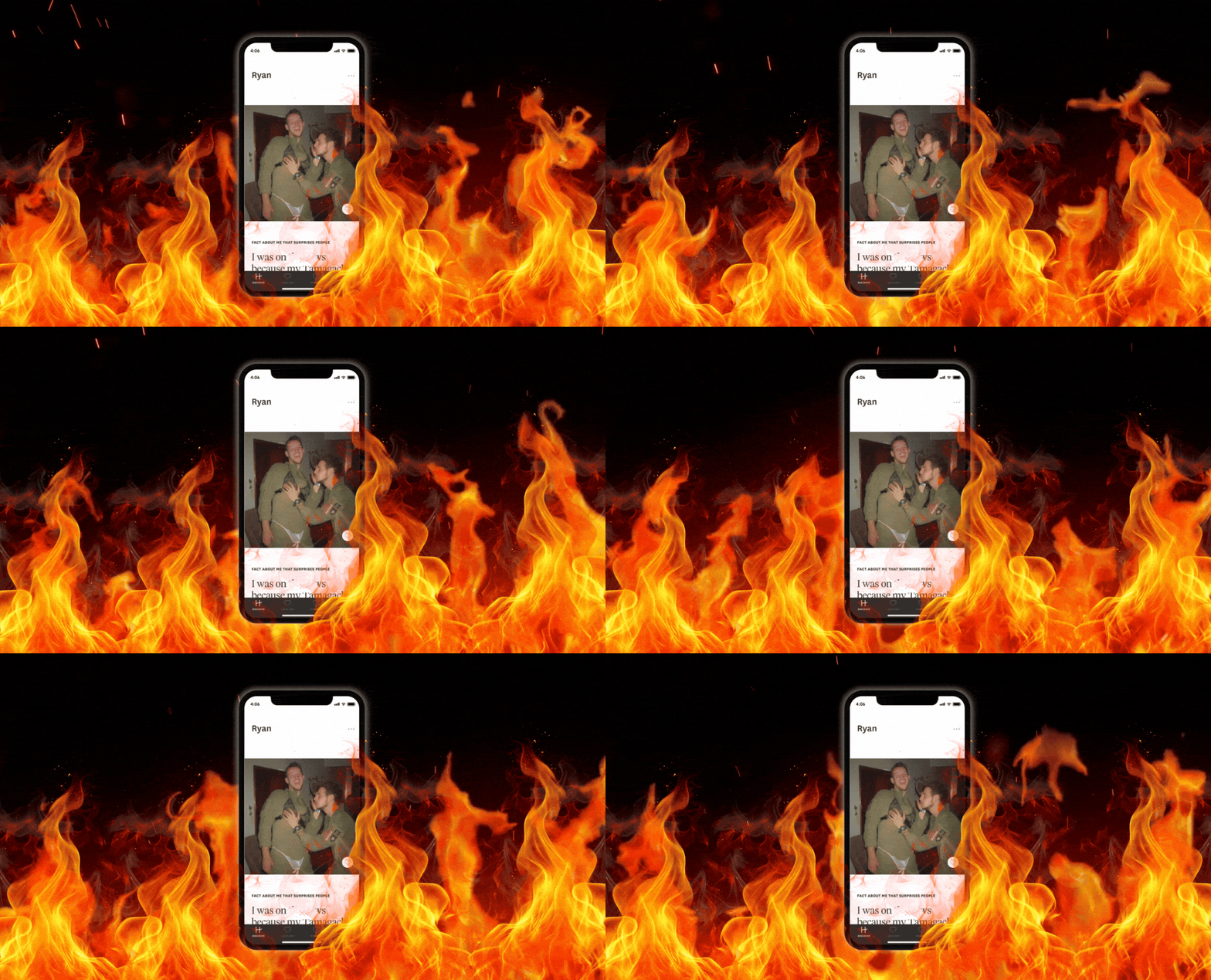
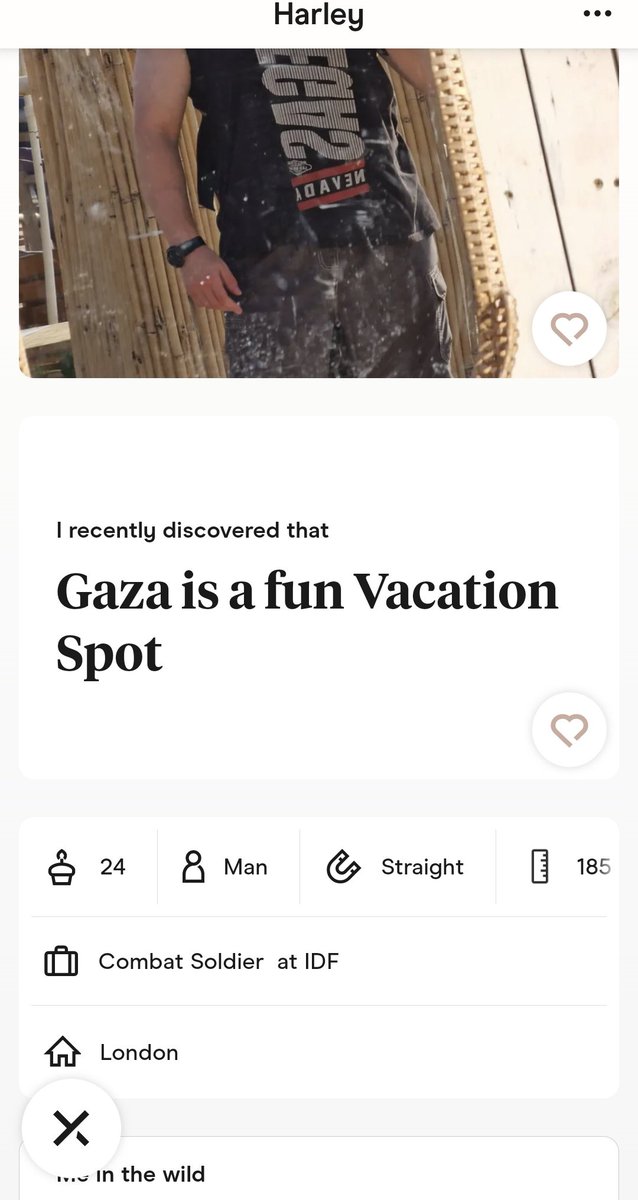
On my last trip home to Israel, I decided to do what many young people visiting their childhood towns do to ease the boredom and spy on old classmates: I opened Hinge. While swiping, one profile made me pause. It was a British man who had recently moved to Israel to enlist in the IDF. His prompts described Gaza as a “fun vacation spot” and his photos captured burning residential buildings geotagged in Jabalia.
I screenshotted his profile and sent it to a twitter page tracking Israeli war crime. The post went viral, and the internet quickly did its thing: found the man’s full name and alerted British authorities to a citizen openly documenting his own complicity in war crimes in Gaza.
I screenshotted his profile and sent it to a twitter page tracking Israeli war crime. The post went viral, and the internet quickly did its thing: found the man’s full name and alerted British authorities to a citizen openly documenting his own complicity in war crimes in Gaza.
British authorities never acted on the tip, but other cases made bigger waves. In January 2025, Brazilian authorities set a new precedent by investigating an Israeli soldier vacationing in the country after the Hind Rajab Foundation compiled social media posts linking him to mass demolitions of civilian homes in Gaza. The soldier fled Brazil, and Israeli officials were forced to issue new guidelines advising soldiers traveling abroad to scrub their digital footprints. Since then, HRF has filed complaints in a dozen countries, leading to the arrest of numerous Israeli soldiers across the world and eroding Israel’s historic impunity one case at a time.
Much has been written in the last three years about the dystopian reality of a livestreamed genocide. Videos of starving children, parents mourning their babies, and civilians denied medical care have moved hundreds of thousands to take to the streets.
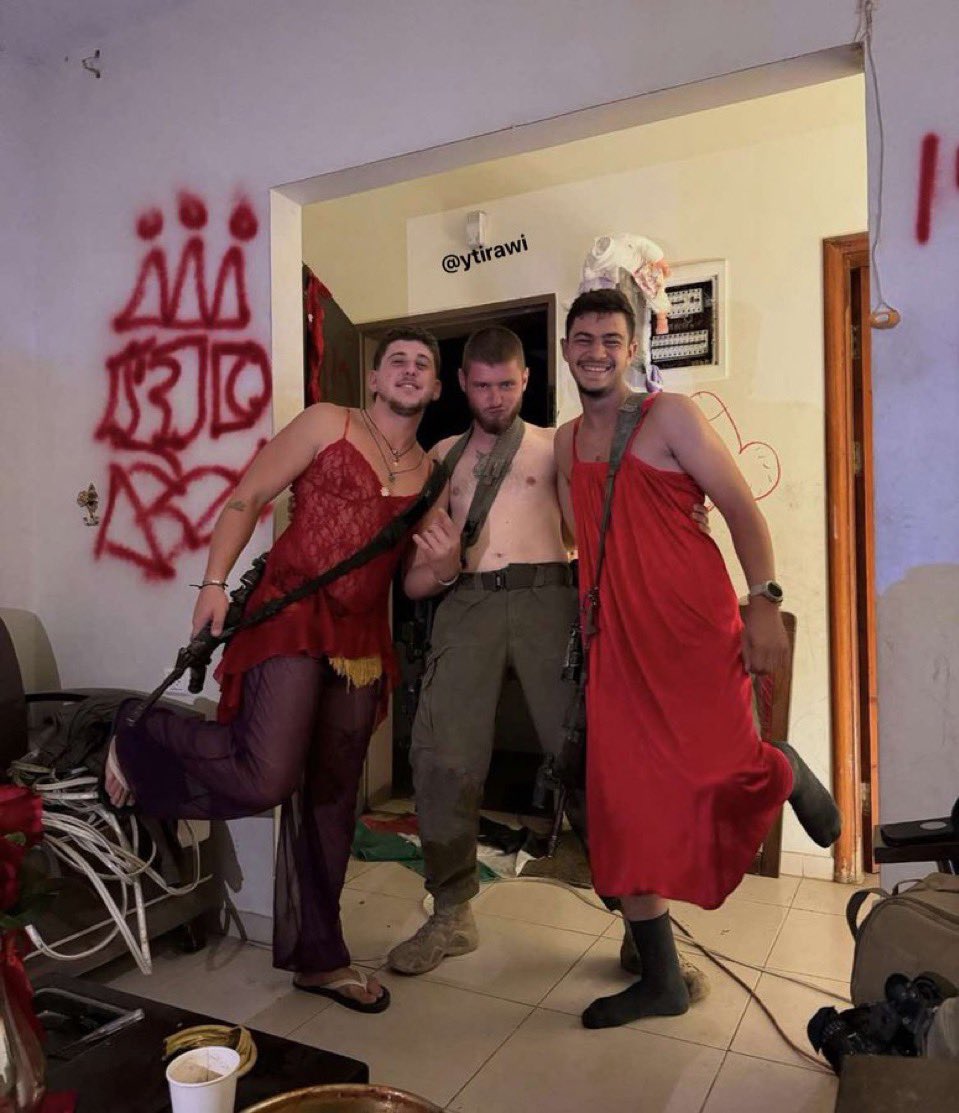
But perhaps more surreal is the footage posted not by victims demanding visibility, but by the perpetrators themselves. You’ve probably seen the clips: IDF soldiers in looted lingerie, or Israeli leaders vowing to flatten Gaza and erase ‘all Arabs’. These soldiers rarely feel the need to hide their faces or names; they know they are shielded by Israel’s allies and effectively immune from international law. In response, thousands of both expert and amateur sleuths have taken on the task of archiving these posts, building crowdsourced war crimes databases.
This trend, while inspiring, points to a deeper crisis: the collapse of faith in the international community’s ability (or willingness) to respond to the genocide in Gaza. International institutions, created to uphold human rights and prevent atrocities like the Holocaust from repeating, have become utterly paralyzed in the face of one of the most brutal military campaigns in recent history. Israel’s powerful allies are not only refusing to enforce international law but actively obstructing other nations and bodies that try.
the international community’s ability (or willingness) to respond to the genocide in Gaza. International institutions, created to uphold human rights and prevent atrocities like the Holocaust from repeating, have become utterly paralyzed in the face of one of the most brutal military campaigns in recent history.
If global leaders won’t do it, then disillusioned citizens will take up the task of accountability themselves. Social media pages and grassroots foundations have done more to monitor and scrutinize Israel than most international institutions supposedly tasked with defending human rights. As the US sanctioned the ICC for suggesting an investigation into Israeli crimes, independent online investigators have stepped in, prompting real-life legal cases like in Brazil, and creating databases that could one day be used in an ICC prosecution against Israel.
There’s a tactical advantage in having this decentralized model: it can be harder to criminalize. Both Israel and the US have introduced legislation that would make it illegal for individuals or groups to provide evidence for the ICC investigation into Israel, potentially deterring whistleblowers with the risk of serious jail time. Sending a video to third-party social media pages, however, is much harder to criminalize and prosecute.
This is especially important for Israeli dissidents, like me. We can use our identity and language skills to access documentation that soldiers mistakenly believe is circulating only among sympathetic circles. The British soldier on Hinge, for example, likely assumed his profile would only be seen by Israeli supporters, given it was limited geographically to Israel. As an Israeli citizen committed to the struggle for justice in Palestine, I have a duty to support the efforts to document and prosecute crimes of genocide. The anonymity and ambiguous legal status of social media monitoring pages create a safer way for me to do so.
Yet this vast archive is also deeply vulnerable. Most of it lives on platforms owned by tech billionaires who increasingly align themselves with fascist ideologies, threatening digital rights and users’ privacy. Tomorrow, Zuckerberg or Musk could decide to wipe every post monitoring Israel’s war crimes, erasing key evidence with no warning. YouTube (owned by Google) already did that a year ago, deleting 700 videos documenting Israeli human rights violations with no warning.
Even more alarming, while many platforms and pages promise anonymity, activists often submit tips via Instagram or X direct messages - private chats that are fully readable by the companies hosting them. Should the Trump administration ever subpoena those records, the names of everyone who submitted evidence to monitoring pages could be compromised. As digital activists who hope to remain defiant and safe, we should think carefully about the platforms we rely on and the unchecked power tech billionaires hold over the content that we share and consume.
Yet walking away from mainstream platforms isn’t an option if we want this evidence to break through Zionist propaganda and reach a global public. Social media remains the only space where civilian documentation can bypass censorship and capture mass attention. Since we cannot abandon these networks, we should use them strategically and treat them as temporary.
Social media remains the only space where civilian documentation can bypass censorship and capture mass attention.
Despite these challenges, the crowdsourced archiving of war crimes represents a radical shift in the landscape of international accountability. Where governments and international institutions have failed, digital activists (and even casual swipers on dating apps) are stepping in. Documentation alone won’t end the occupation, but it keeps memory alive, counters Israeli narratives, and lays the groundwork for future prosecution. In the face of Israel’s impunity, documentation has become a powerful act of resistance against genocide, exposing both Israel’s crimes and the rot of an international system that has largely abandoned its own principles.
Freedom of the press is under attack! Support our work and let us continue to uplift marginalized and working class voices. Become a member or subscribe to our print publication today. Tiers range from $3-15/month.

.jpg)
.jpg)