
Hit Enter to Search or X to close
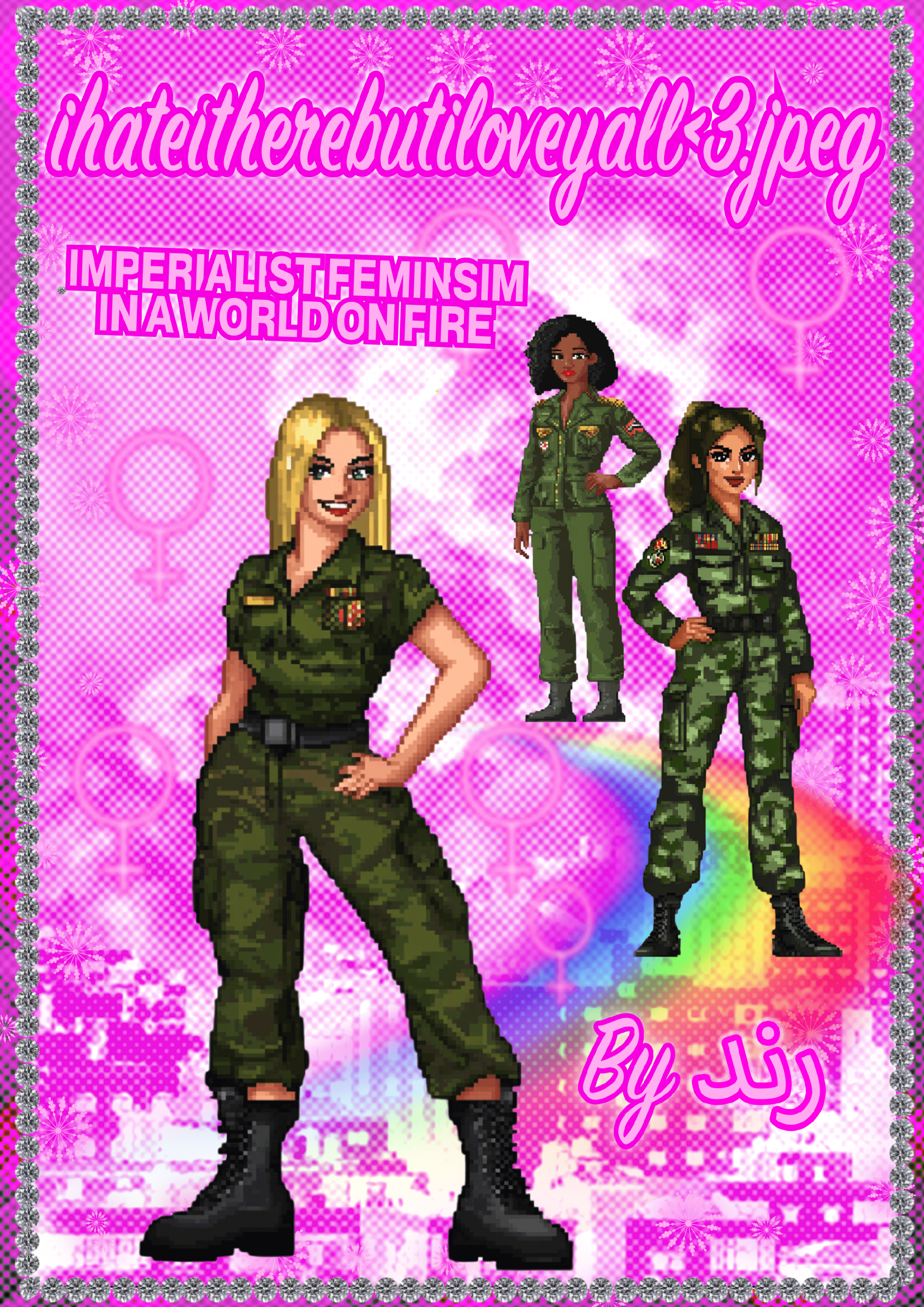
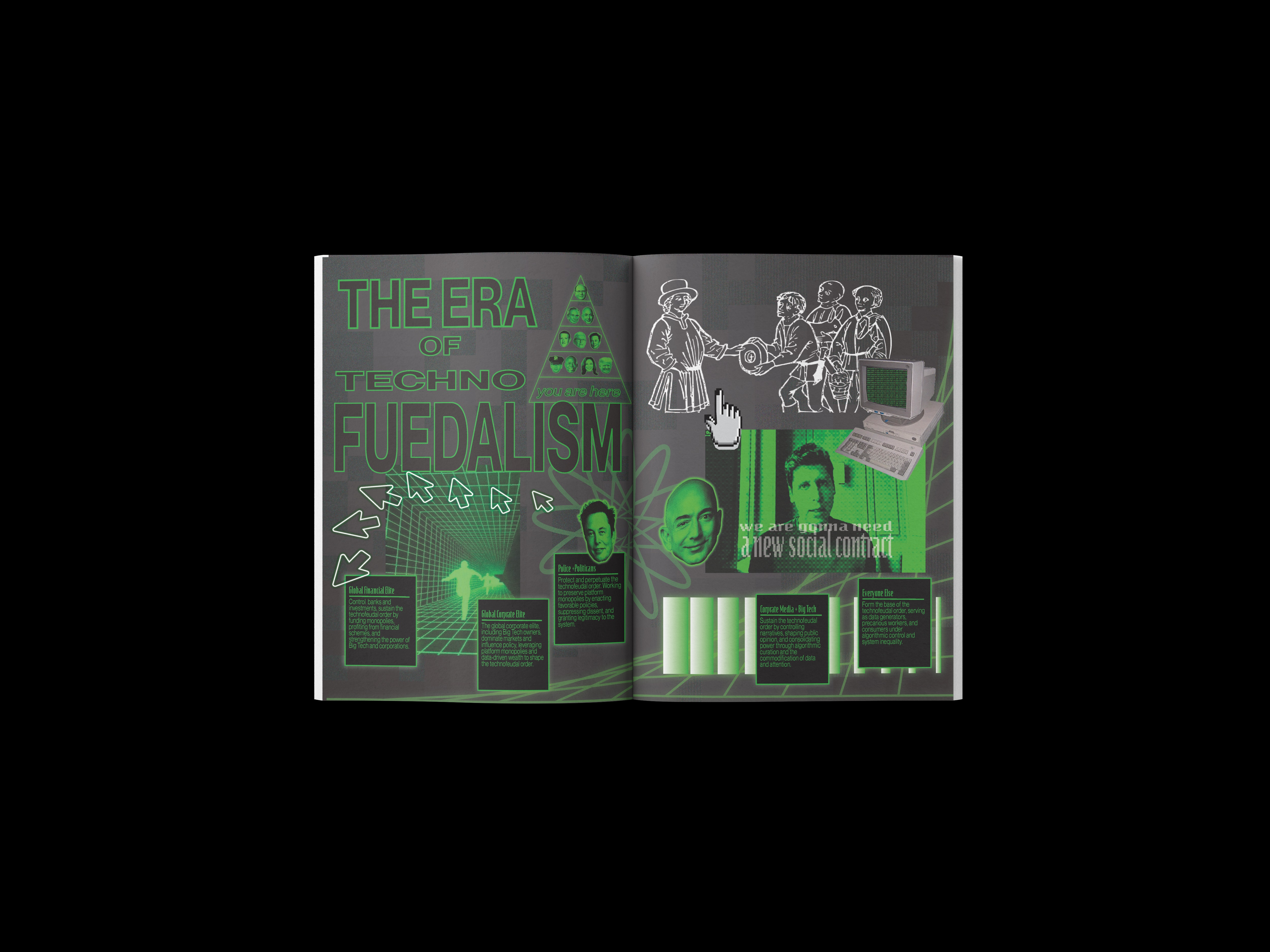
Imperial feminism is a pyramid scheme—except instead of just money, actual human lives are the currency. Imperial feminism claims to fight for women’s rights but often aligns with systems of oppression—prioritizing corporate and state agendas while disregarding the lives of marginalized communities. As a Palestinian, I’m horrified and deeply concerned by the current geopolitical situation—but let’s be real: I’m not shik-shak-shook that this is where we are as a nation. A nation that is presently responsible for the crime of literal genocide.
In a world where criminals run the show, they care about us only for the profit we generate. Wrapped in a flag stained with your people’s blood, you become a commodity—useful only if your identity can be sold to support their narrative. Beyond that? You’re just another cog in the machine, replaceable and useless.
It starts with a visceral experience—a twitch in your eye when someone says “conflict,” a nervous tickle down your spine when you realize you’re the only one like you in the room, or a full-on jaw drop when someone suggests sharing plates of depoliticized hummus as the “solution.” The self-proclaimed feminist circles you find yourself in often lack the basic things you need to exist in any space at all—using your presence as proof of inclusivity without addressing internal biases, insisting on “unity” through shared meals or art projects while ignoring power imbalances and ongoing violence, and centering Western feminist frameworks while dismissing the language and struggles of liberation movements from the Global South.
It becomes clear this isn’t about collective liberation or even personal connection. It’s about the performative aspects of identity and reinforcing the systems that fail to meet our needs, let alone the needs of our communities. I wonder, if these spaces fail to prioritize true solidarity, what purpose do I serve in these circles? Is it my trendy queerness, the universally unnerving yet comforting presence of a “funny” and “cool” dyke, that makes me likable in this crapitalist Jahannam? Or is it my Palestinian-ness, that lets them feel absolved without doing the work of solidarity?
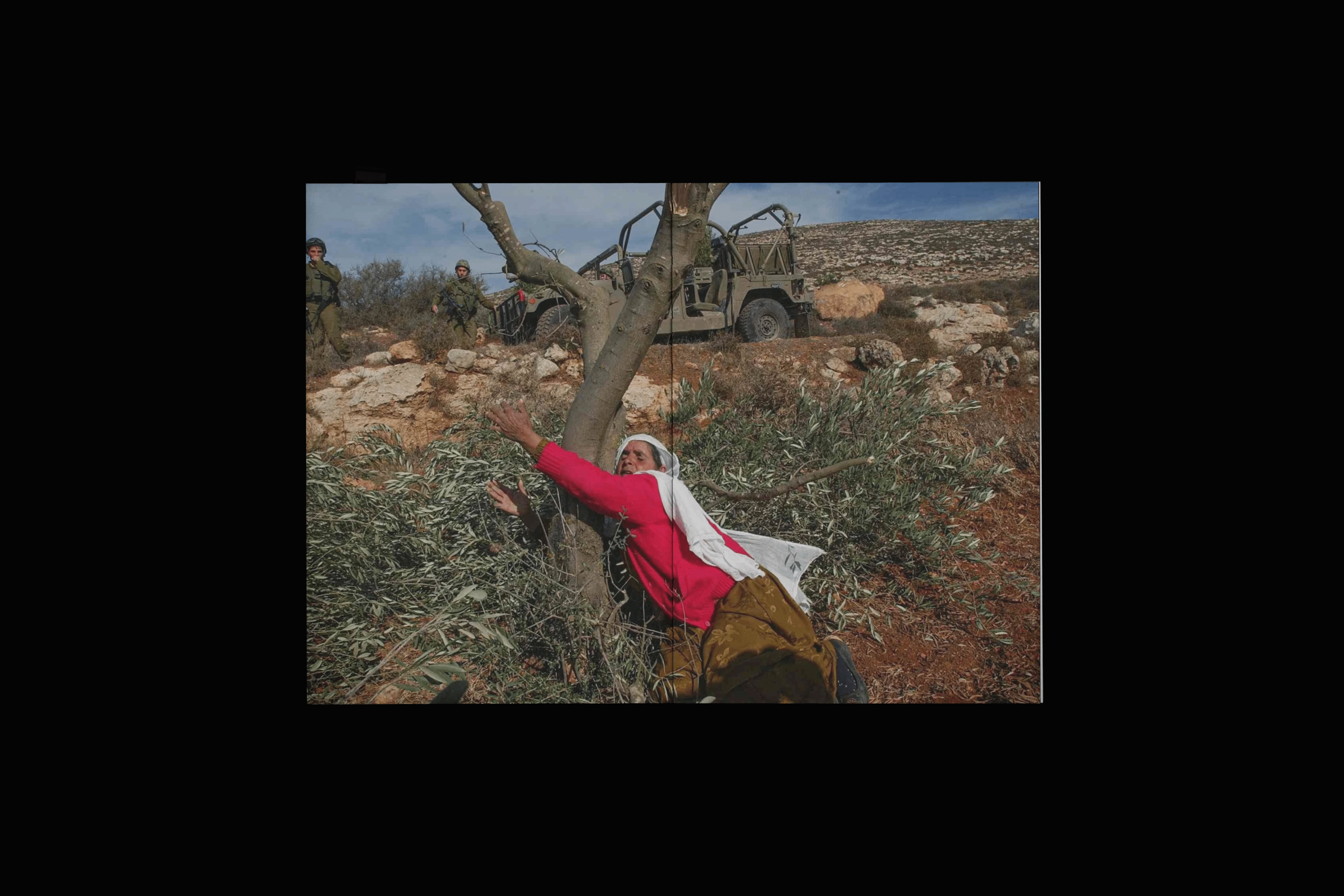
We love to pretend we’re better—more progressive—here in the so-called United States. But this shallow analysis we cling to—gender without class, class without race, race without empire—turns identity into a board game where we all lose in the end. Imperialist feminism plays a key role here, offering a hollow, surface-level critique that conveniently leaves the true architects of violence unaccountable. At worst, these people continue to profit from harm; at best, they retreat to deserted islands, untouched by the suffering they’ve caused.Meanwhile, the people bearing the most brutal impacts of the empire are the ones resisting with everything they have. When they rise, we should show up as humbled students—ready to learn from their strategies, courage, and, unyielding vision for liberation, instead of clinging to the frameworks that keep us trapped. For example, Palestine has taught me that our liberation is bound up with each other. No one is free until everyone is free—not as a catchphrase but as an actual practice. Resistance is an ecosystem: the fighters need the truth-tellers, the truth-tellers need the healers, the healers need the farmers, and the farmers need the mothers, the fathers, the parents, the grandparents, the grandchildren, the children. And sometimes, all of these are one person. Gaza is defiant to the empire. The fighters of armed and unarmed struggle across all of Palestine deserve our respect and gratitude. They confront the beast we feed off of head-on, despite billions spent on ruining lives. The people of Palestine remain steadfast, using whatever they have—available means and sheer will— to take down the empire.
To clarify, I’m not out here claiming Palestine is full of perfect people—like some utopia where everyone’s kind, the food’s unbeatable, and everything would magically fall into place if Zionism disappeared. We’re human. We have our problems, our quirks, and, yes, our freaks (both derogatory and non-derogatory). But fighting for a liberated future isn’t about perfection; it’s about the right to exist with our complexities intact. A freedom where people can be people with problems and passions. On a land without bombs, checkpoints, and violent, armed, settler maniac freaks (derogatory). Backed by cowardly, baby-killing, diaper-wearing soldiers raiding the land and homes with guns and Amerikkkan bombs. This lack of basic human freedom and the harsh realities of living under occupation is something that transcends identity.
But it’s also why a Black trans woman from the Global South might feel a deeper connection to a Palestinian man in a Zionist prison than to a trans-Zionist. Both understand the violence of being targeted for who they are, and both are fighting against systems of oppression that strip away their humanity. Imperialist feminist analysis, with its simplified identity politics, can never explain that shared resistance. At that point, how do you even identify politic? The race,class, gender, and empire of it all expose how hollow these simplified narratives become. A diluted and solitary ‘men are the problem’ take—while understandable in some contexts, including my context as a dyke who recognizes the privilege and responsibility that comes with it (and yes, sometimes misandry feels like a necessary societal reset; a joke, maybe, I don’t know)—completely misses the point. It ignores Bell Hooks’ crucial insight about the ‘white supremacist capitalist patriarchy’ and how it harms everyone, albeit in vastly different ways. Because gender privilege against state violence isn’t static—it shifts with location, circumstance, and, how much your community resists. Too often, just existing as someone already marginalized makes you more likely to resist. That’s the reality that imperialist feminism refuses to address. It prioritizes identity markers over material conditions, reducing oppression to a checklist instead of reckoning with the systems that uphold it. The point isn’t shared gender or even shared identity—it’s shared struggle. Solidarity isn’t found in matching pronouns or skin tones; it’s built in the trenches of resistance to empire.
"And for the record, fuck a trans-zionist. IDGAF (Along with thecis ones, of course)."
Imperialist feminism views Palestine as an infantilized, depoliticized, homogenized view of a people without diversity of thought and opinion. Most people, I believe and hope, wouldn’t wish genocide upon us, regardless of simplistic tropes. (I refuse to believe there are that many devils walking amongst us, and I won’t let the flopoganda create the narrative that our planet and its people are doomed.) But the separation—both physical and intangible—is by design. That’s what the colonizer does in Palestine and beyond to make us believe we have to fight each other to survive.
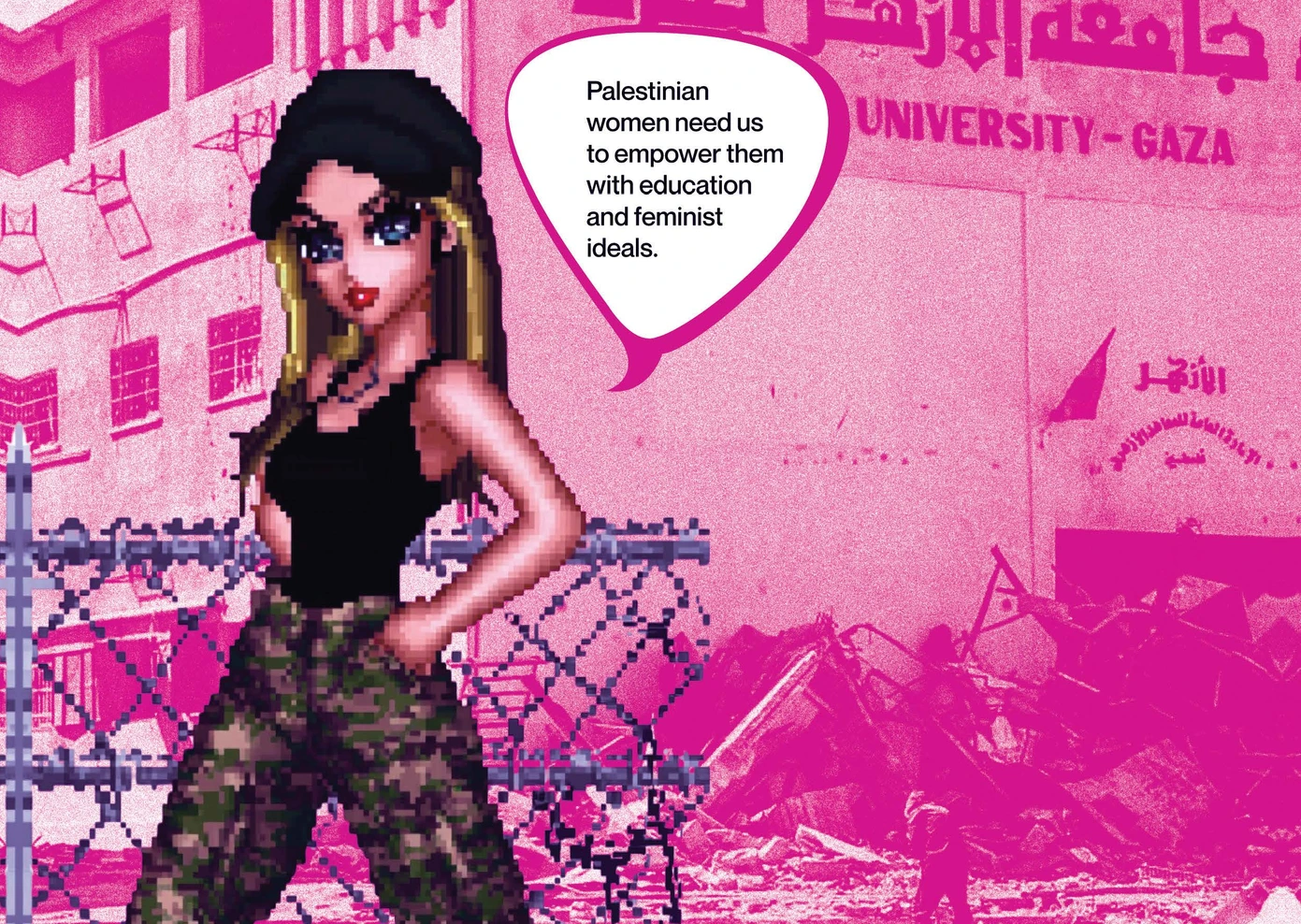
Despite building my principles with my own experiences around chosen people, I can’t deny that I’ve been exposed to and have absorbed the toxic ideologies of this empire. I’ve attended the school system, I pay taxes, and I watch their movies and TV shows where the colonizer character—with a newfound evolution of “intersectionality”—is featured across a spectrum of gender and race traitors who can hold a gun against the colonized, vilified whether they’re armed or not. No matter how progressive we think we are, we live on stolen land and are not particularly more evolved than anyone else.
I used to get defensive when I visited my family in Jordan as a child and they would tell me that I was confused. But they were right. (I would also get offended when they would ask if I ate hamburgers all the time and they were right about that too - still guilty) amerikkka is a confusing place by design. It’s how they control us, it’s how they pit us against each other. A melting pot except, we’re all just actually melting. Not that anywhere else is perfect or that geography alone grants clarity—but we can’t ignore the reality that every privilege we benefit from comes with an equal and opposite cost: someone’s life is being shattered, including our own. By what it means to live here and be so deeply complicit. We can’t deny the psychological effects of being indoctrinated since birth. How we were taught to think and perceive ourselves and our relationships with others.
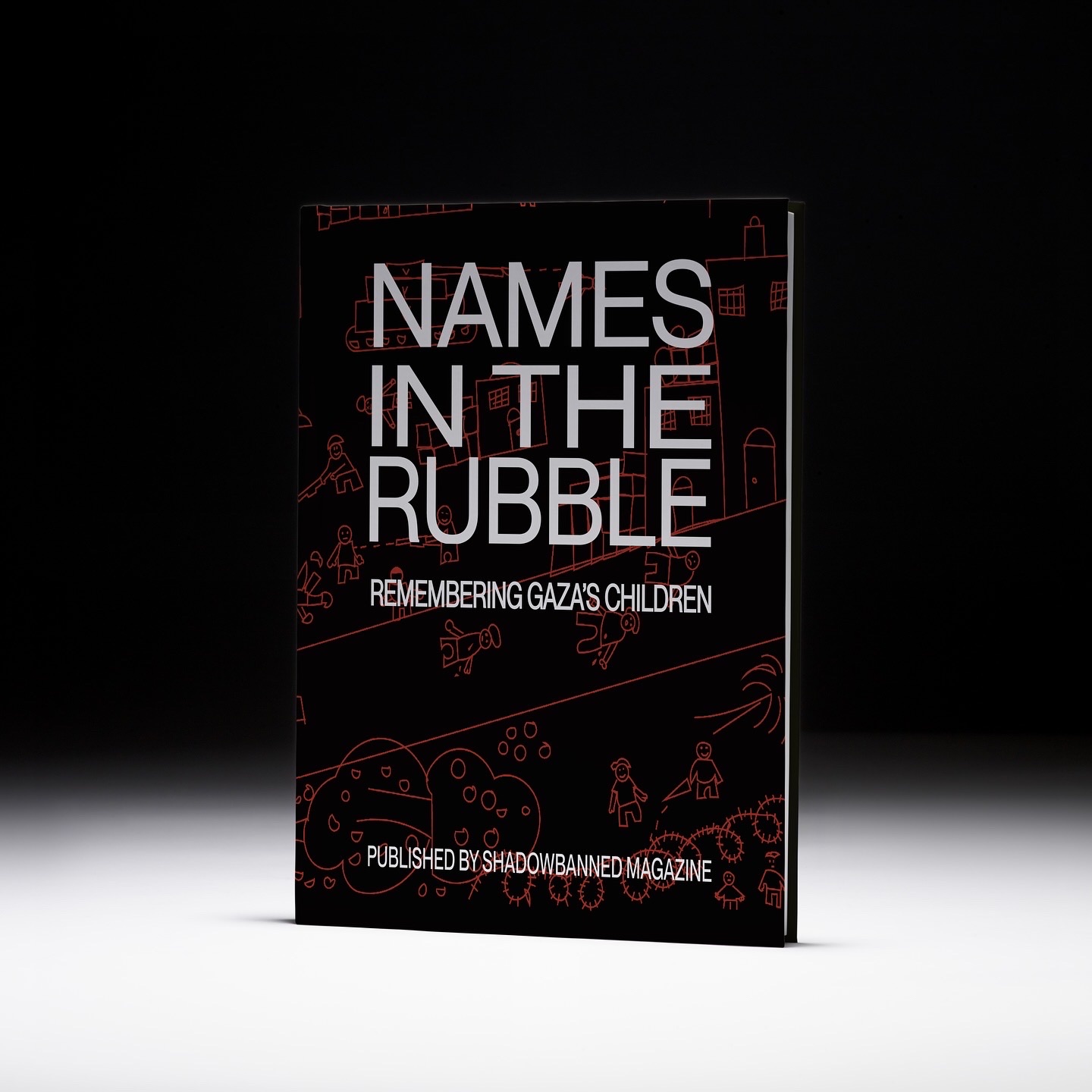
We have been constantly bombarded with Imperialist feminism and the dominant narrative of “freedom”: they are weapons of imperialism designed to maintain control, not liberate us. All those patriotic army phrases—“All risked some, some risked all,” and “Freedom ain’t free”—are nothing more than slogans to justify violence and oppression. A rainbow-washed army dropping bombs in the name of “defense,” while killing children and entire communities, is the epitome of evil. This is the same cycle we’ve seen in Afghanistan, Iraq, Syria, Lebanon, and now Palestine. This is the violence that imperialist feminism ignores or justifies, as it fails to acknowledge the real victims and the systems that perpetuate their suffering.
Imperialists demonize those who try to protect these children and their communities—as “Unruly, bearded, unibrowed [#unibrowrights] Arabs and Muslims firing missiles for no reason, people, they just want to watch the world burn—In actuality, these people’s resistance to oppression is painted as chaos to silence it. This false narrative of violence and destruction is fueled by the same imperialist agenda that keeps us fighting each other instead of fighting the systems that harm us all. These are the same forces that try to suppress queer and trans liberation movements by co-opting them into empire-building, forcing us to forget our history of resistance.
Resistance is inherent to queer and trans rights,We cannot ignore the crucial lessons from the fascistic attacks we have faced in our communities. We should look to our histories of resistance, not just parrot the same tired identity politics. Just recently, queer and trans people globally united against Biden and the Democratic Party’s Zionist genocide. I’ve been to marches, student encampments, and events—across the United States, internationally, even in my small town in Bumblefuck, New York (or whatever) -every single person, no matter their background, showed up for Palestine in a real, meaningful way.This wasn’t about institutional dollars or performative identity politics; it was about collective liberation. Ultimately, no one stands a chance for survival as long as we keep perpetuating imperialist agendas through multiple genocides in Palestine, Congo, and Sudan—devastating millions for the illusion of “freedoms”and “luxuries.”
The fight for queer and trans liberation, like every struggle against state-sanctioned violence, cannot be separated from the larger fight against imperialism. Our survival depends on recognizing that these oppressive systems are interconnected, feeding off one another to maintain power. The solidarity we’ve seen in the streets—across borders, identities, and experiences—offers a blueprint for this collective resistance. When we show up for Palestine, we are showing up for our own freedom too, because the forces that target Palestinians are the same forces that seek to erase, exploit, and control marginalized communities everywhere. This is why we cannot settle for shallow, compartmentalized politics. Our liberation will only come when we commit to dismantling these systems together, without exception, and stand with those who call us into this shared struggle.
Palestinians have asked us to dismantle Zionism. Dismantle its fascist counterparts, in every way possible—with whatever voice or position you have. This ideology is an existential threat to us all, a nightmare materialized in its most vicious form, broadcasted live for the world to see. When Palestinians ask us to listen, we listen. Imperialist feminism, with its surface-level solidarity and selective outrage, teaches us to dismiss their point of view and to seek guidance from familiar, Western-approved voices instead of those living at the frontlines of state violence. Imperialist feminism asks us to only focus on a simplistic narrative of helpless women and brutal men. We will not let them obscure the reality: Palestinian women, men, and gender-diverse people resist together, not despite their identities but because of their shared understanding of the empire’s violence. We will answer the call to ensure safety and liberation for everyone across the world.
True gender justice is inseparable from the fight against empire and fascism. The work begins with unlearning oppressive ideas and confronting our privileges, knowing that resistance requires both internal and collective revolution. Our predecessors showed us the way: community, solidarity, and persistent struggle are essential. Even when isolated, finding one another and standing together is the path forward. The same systems of violence that built this nation persist today, from the U.S to Palestine—but we are awake, and we will continue to fight for a future of
genuine freedom for all.

.jpg)
.jpg)