
Hit Enter to Search or X to close
I grew up in evangelical culture in the 1980s, but it was a different world than it is today. My parents were deeply religious—my father, a part-time pastor, and my mother, a teacher—but they engaged with the world. They sent us to public school, watched mainstream news like CNN, and while they encouraged us to keep our faith strong, they didn't isolate us from secular society. Evangelicalism was central to their identity, but it didn't mean cutting themselves off from the broader culture.
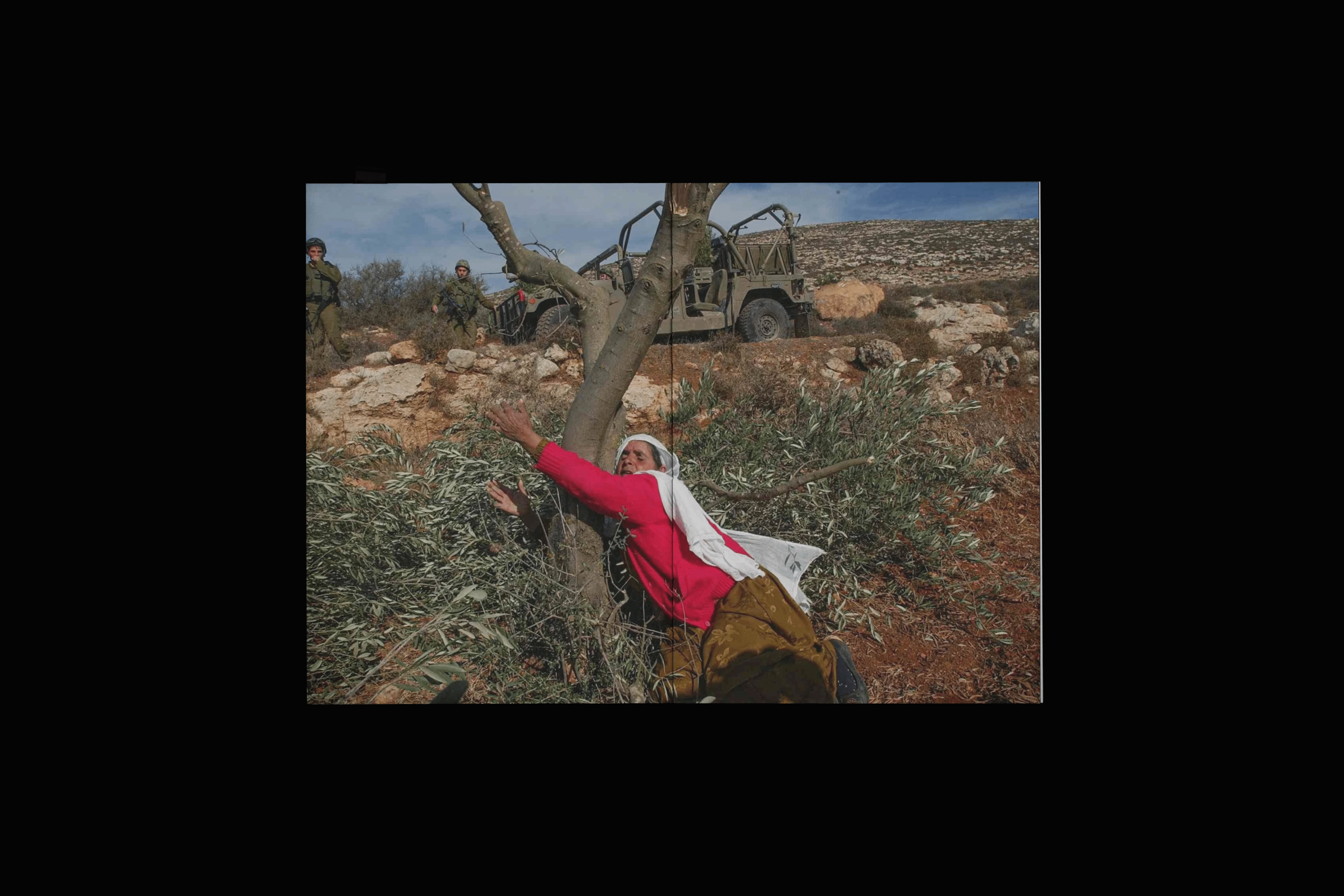
That has completely changed. My older sister and my childhood best friend—my father's nephew—have embraced a version of evangelicalism that is wholly insular. Their six children are homeschooled, taught that secular education is dangerous, and only exposed to information filtered through conservative Christian media. Unlike our childhood, where we interacted with different perspectives, their worldview is shaped entirely by specialized podcasts, conspiracy-driven news, and an 'us vs. them' mentality. Where my parents saw faith as something to be lived in the world, today's evangelicals see the world as an enemy to be avoided. This shift to complete isolationism is the foundation of the persecution complex that defines the movement today.
Like a self-fulfilling prophecy, their retreat into carefully controlled environments has created the very siege mentality they claim to be trying to protect themselves against.
This pattern of self-imposed isolation becomes particularly interesting when we examine Trump's recent announcement of a task force to combat "anti-Christian bias". This isn't just another policy proposal—it's a perfect example of how isolation breeds persecution narratives. The very phrase "anti-Christian bias" emerged from and speaks to a community that has deliberately cut itself off from the broader social dialogue.
What makes this phenomenon so compelling is how it operates as a self-reinforcing cycle. Think about how information flows in these closed systems. Every conversation, every media source, every sermon reinforces the same message: "The world is against us." Without exposure to different perspectives, this narrative goes unchallenged, growing stronger with each repetition.
This isolation creates what we might call an echo chamber effect, but it's more than just hearing the same ideas repeated over and over. It's about constructing an entire alternate reality. Conservative Christian media figures like Tucker Carlson and others don't just report news—they craft a comprehensive worldview where persecution becomes the defining experience of the Christian life.
The parallels to historical patterns are particularly striking. Just as racial segregation intensified prejudice by keeping groups apart, evangelical isolation makes it easier to dehumanize those they never interact with. The less actual contact they have with the outside world, the more threatening that world becomes in their imagination.
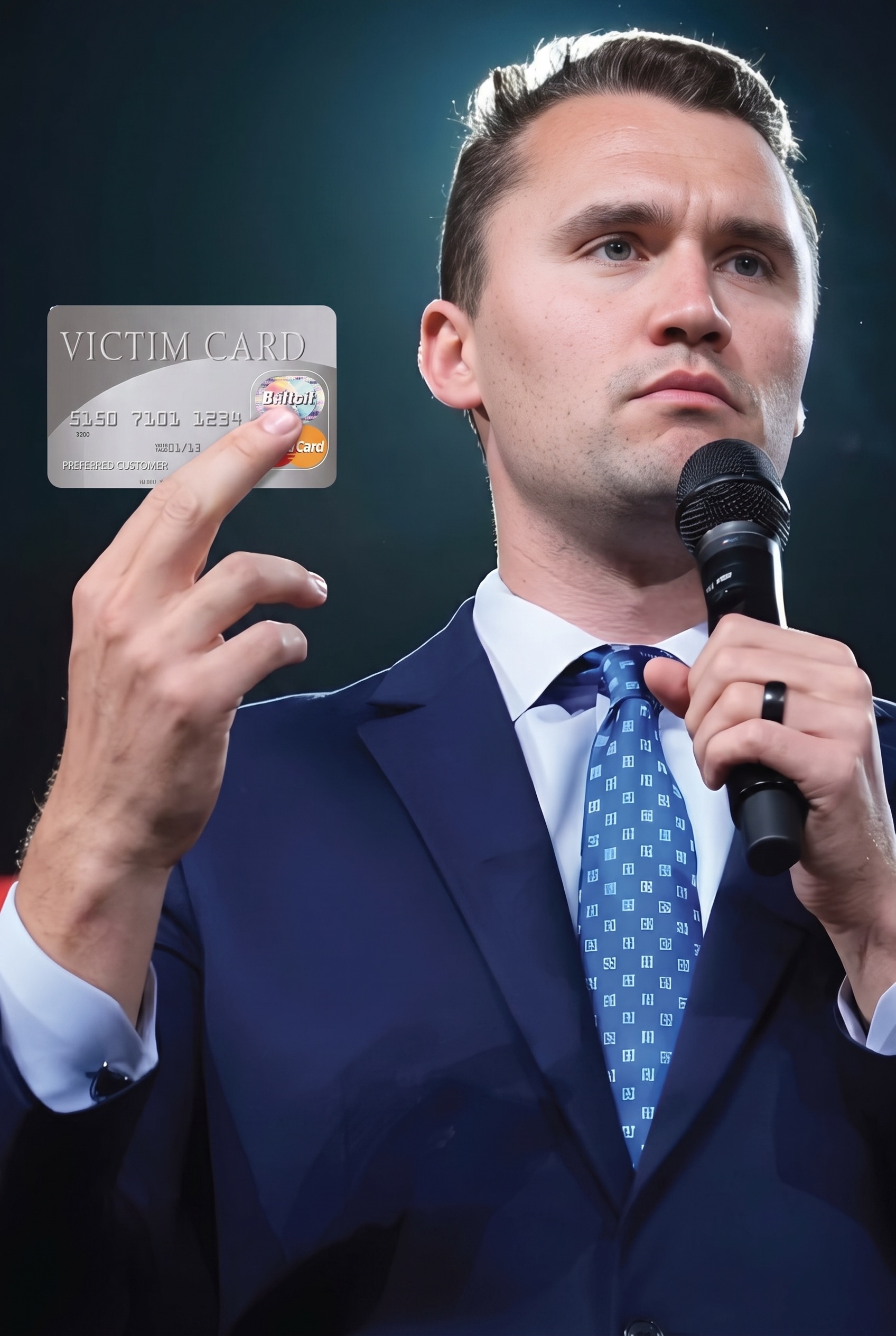
This is where Trump enters the picture in a fascinating way. His political strategy mirrors the evangelical persecution narrative perfectly. He attacks others constantly, then positions himself as a victim when they respond in kind. For evangelicals living in their own self-reinforcing cycle of grievance, this pattern feels deeply familiar. They see their own experience reflected in Trump’s claims of persecution.
But here's what makes this dynamic particularly powerful (and dangerous): because these communities only consume conservative media, they mostly hear about how Trump is attacked, but not about his initial provocations. This creates a false but compelling sense of camaraderie. Just as they feel persecuted despite being the aggressors, Trump appears persecuted despite his constant attacks on others.
The psychological trap here is remarkably difficult to escape. The longer one believes they're under attack, the more entrenched they become in that belief. Like an escalating argument in a marriage, the cycle itself becomes the main problem rather than any original grievance. Breaking free would require exposure to outside perspectives—but that's precisely what these communities fear and avoid.
What we're watching is a textbook example of how isolation breeds fear, and fear justifies further isolation. The very mechanisms evangelicals use to protect themselves have heightened their fears and resentments. Their insular mindset has made them vulnerable to manipulation—by media figures, political leaders like Trump, and even their own social circles.
The irony here is profound: a group seeking protection through isolation will never find peace, because peace requires engaging with reality, not running from it. The more they withdraw from broader society, the more threatening that society appears, creating an endless cycle of fear and retreat.
This pattern matters because it helps us understand how religious movements can transform from faith communities into political forces driven by persecution narratives. Just as advances in communication technology shaped how ideas spread in the past, today's media landscape allows these isolated communities to construct and maintain alternate realities more effectively than ever before.
The question isn't whether such movements can gain power—history shows they can and do. The real question is whether we can understand these patterns well enough to address the underlying dynamics that drive them. Because right now, we're watching how isolation breeds fear, fear breeds hostility, and hostility confirms the very fears that sparked the cycle in the first place. And when you combine these cycles with religion, it almost always leads to an effort to suppress dissent, and when that doesn’t work, eventually, to violent enforcement.

.jpg)
.jpg)