
Hit Enter to Search or X to close
.gif)
We keep refreshing our feed. Looking for updates about the flight logs, the redactions, the screenshots of screenshots, each week's new drop arriving with a new name and a new thread that swears this is where the dots finally connect. It feels like movement, like accountability is near, like we're inching toward something explosive and irreversible. But what if what we're actually circling isn't the collapse of power, but the limits of the internet itself?
The Epstein files do not just expose elite corruption. They expose the fallacies of the internet: the myth that visibility equals justice, that virality equals power, that outrage equals action. The early promise of the digital age was radical transparency. If wrongdoing surfaced, the crowd would take care of it. Information would democratize power. Secrets would not survive collective scrutiny. Instead, exposure has become a genre. A scandal drops and instantly fragments into content — reaction videos, breakdown threads, speculative graphics, monetized livestreams.
Research out of Lancaster University analyzing more than a million posts linked to political petitions found that moral outrage dramatically increased virality. However, that outrage did not make people more likely to take meaningful action, such as actually signing the petition. The fury just circulated in a container. A container purposely designed to hold our anger and revolutionary energy by our oppressors. Meanwhile, the system continues to remain intact. Awareness, it turns out, is not inherently disruptive. On the modern internet, awareness is often just another form of engagement.
None of this is an accident. Social media platforms aren't neutral public squares; they're advertising infrastructures engineered to maximize attention, and they measure that attention in time spent, emotional intensity, and repeat interaction — three metrics outrage happens to satisfy better than almost anything else. So every time the Epstein files trend, the platforms win, the spike in attention converting into ad impressions right alongside the moral fervor. We aren't raging outside the system. We're raging inside its most profitable chambers.
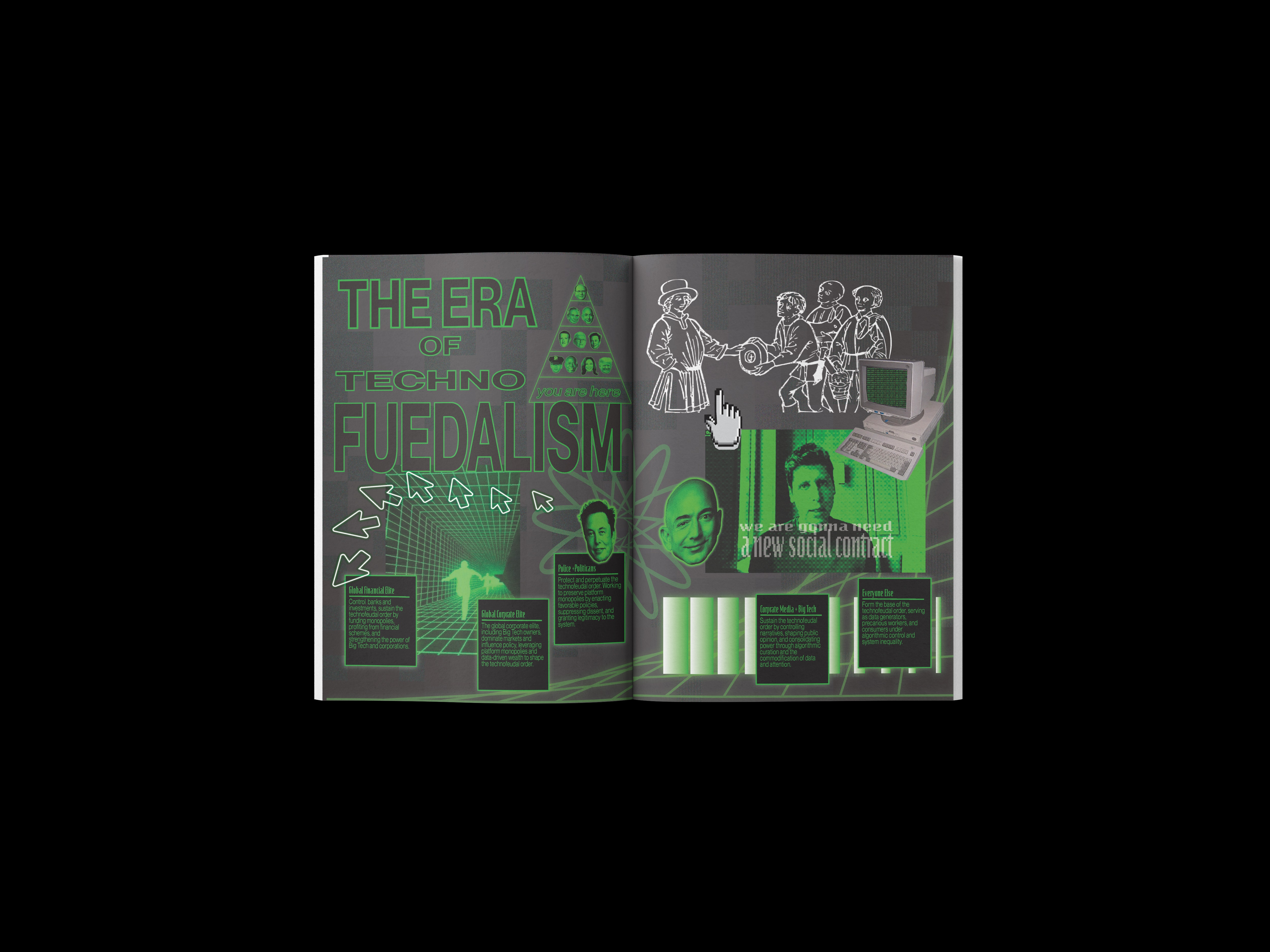
The same concentration of wealth that shields elites from consequences also shapes the digital infrastructure through which we condemn them. Billionaires dominate major media holdings and the platforms that mediate our discourse. This is not a shadowy conspiracy; it is a predictable outcome of concentrated capital. The belief that platforms built to monetize attention will organically dismantle the power structures that sustain them is one of the internet’s most persistent illusions.
The internet was built to reward faces, not frameworks, and a face is exactly what a scandal like this offers up first. So we fixate on the man, his island, his plane, his contacts, and never interrogate the system that produced him. Call it accountability clickbait. But systems rarely collapse because of a single villain; they erode through repetition, insulation, and an expanding tolerance for risk. The sociologist Diane Vaughan called this the "normalization of deviance" in her study of the Challenger explosion: small violations became routine because nothing catastrophic happened any single time, until one finally did.
Epstein did not emerge in a vacuum. He operated within a structure defined by extreme wealth insulation, political capture, differential legal outcomes, and economic precarity at the bottom. When wealth concentrates and consequences evaporate, exploitation becomes predictable. But the internet directs our gaze toward the explosion rather than the slow burn that made it possible. Getting rid of individuals doesn’t dismantle the system that created them. It just sets the cycle in motion again.
By now the cycle is familiar enough to recite: revelation, outrage, virality, exhaustion, and then the replacement scandal that resets it all. What's easy to miss is that the exhaustion isn't a malfunction; it's the part that keeps everything stable, because a population locked in perpetual reaction rarely consolidates into the kind of coordinated, sustained pressure that actually moves anything. The trouble is that reaction feels like so much more than it is — a viral thread or a public shaming feels consequential, but rarely extends beyond the feed. Durable change tends to come from the slow and unglamorous work those gestures stand in for: policy reform, coalition building, institutional pressure, the material redistribution of power. That work almost never catches on. Stripped of the emotional spikes that feed algorithmic circulation, it quietly fades from view while the next revelation takes its turn.
None of this means exposure is meaningless or that individuals should not face justice. Accountability matters. But when exposure fails to produce structural change, it becomes spectacle. When outrage never leaves the platform, it becomes revenue. And when dissent exists only within corporate infrastructures, it risks becoming just another category of content.
The Epstein files reveal something uncomfortable: the internet has perfected the performance of revolution without delivering any of its material outcomes. We know more than we ever have, see further into the machinery of power than any public before us, and post about all of it relentlessly — and still the architecture of wealth and power remain untouched...


.jpg)
.jpg)