
Hit Enter to Search or X to close
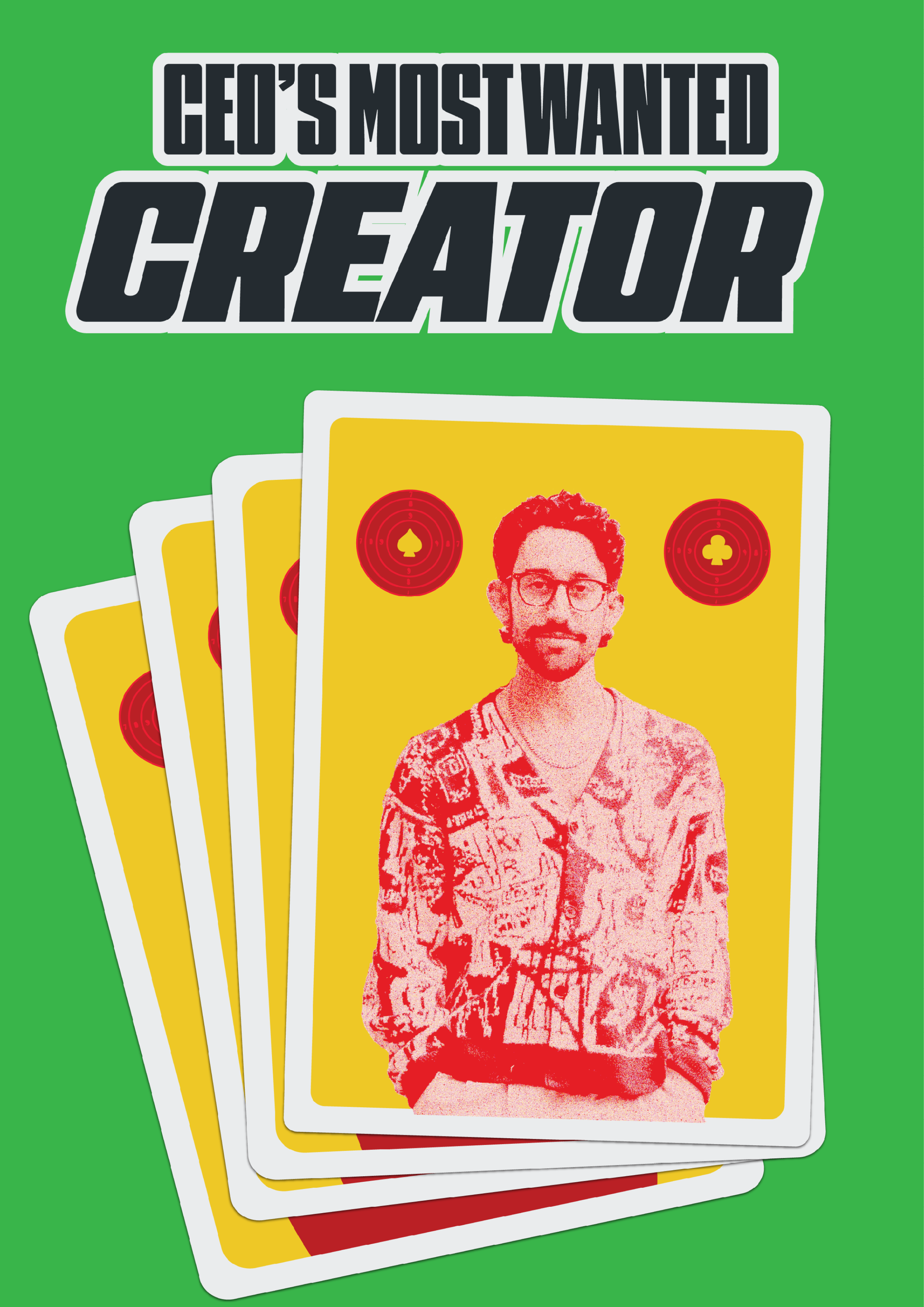
When we first sat down with James Harr, the founder of Comrade Workwear, in November 2024, it was for a simple profile about his brand and the censorship he was starting to face as his work grew more controversial. At the time, Harr was navigating the challenges of running a politically charged business in a world dominated by corporate platforms. Little did we know, his story was far from over. By December 2024, Harr’s battle against what he calls the “broligarchy” had escalated, and his journey took unexpected turns.
The Origins and Goals of Comrade Workwear
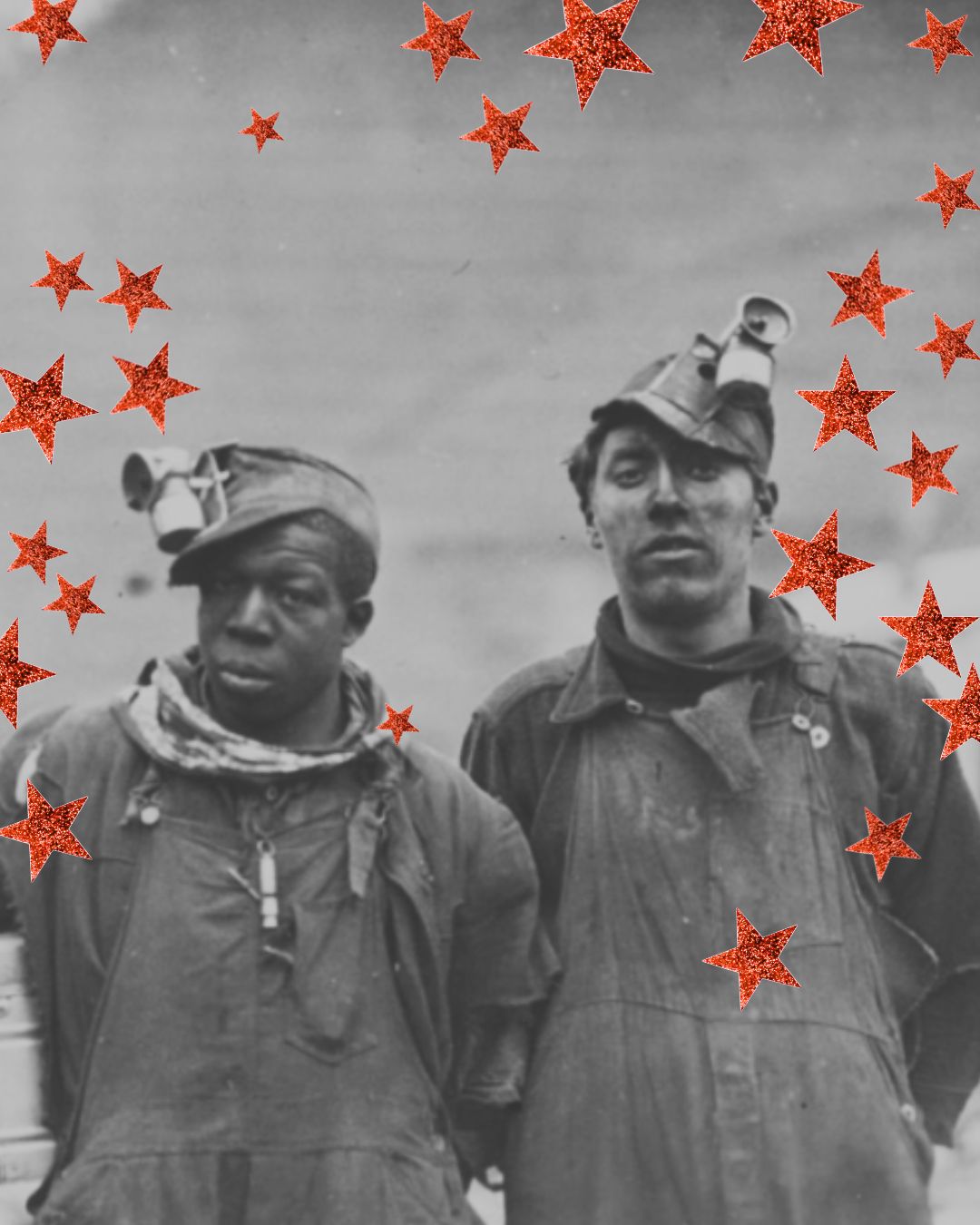
Comrade Workwear began as a passion project, born from a moment of inspiration and a desire to connect with his community. Harr, a designer with a background in education, saw clothing as a way to spark conversations and challenge the status quo. Drawing from Soviet artwork and labour movements, his designs—like “Invent the Future” and “For This Labour”—quickly gained a following. “It felt like this confluence of where design education and bringing our community together could meet,” Harr explained in our initial interview. “I’ve always been really connected to the idea of education, and I wanted to create something that could instigate conversations and potentially create moments for education.”
But Comrade Workwear was never just about clothing. Harr’s mission was to contribute to the overhaul of capitalism, using his brand as a platform for education and activism. Projects like the Comrade Library, an interactive map connecting users to local organizations, reflect his commitment to fostering community and organizing for change. “The core mission is to contribute to the overhaul of capitalism,” Harr said. “Clothing is just the thing I can sell so that I can hopefully get to the point where I can do the things I really want to do, like the Comrade Library.”
Censorship and the Netanyahu Target Practice TeeA
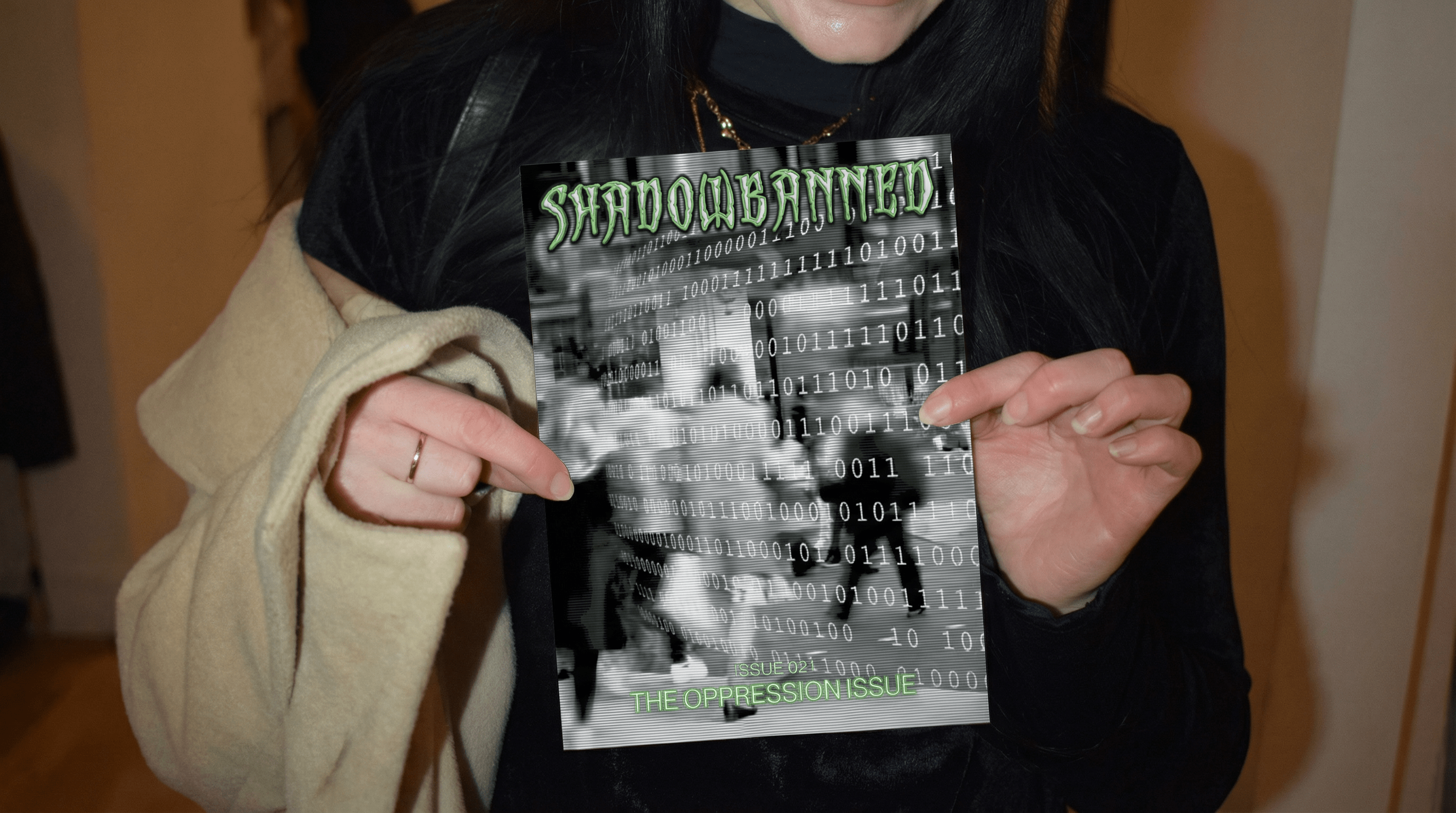
s Comrade Workwear grew, so did the challenges. Harr’s designs, which often critiqued powerful figures and systems, made him a target for censorship. One of the most notable incidents involved the “Netanyahu Target Practice” tee, a provocative design that Shopify banned without explanation. “Censorship is constantly affecting my business,” Harr shared. “Whether it’s posting about Palestine or occasionally throwing some ‘fuck yous’ at people in power, there’s always someone ready to report you at any moment.”The Netanyahu tee, one of his most controversial designs, was repeatedly shadowbanned, frustrating customers who couldn’t find it in his store. “All this is alleged—they won’t confirm anything,” Harr said. “But of all the designs I’ve made, this one was clearly the most abrasive, and it’s the only one that’s continually affected.”
Harr recounted how customers reached out to him, frustrated that they couldn’t find the product. “For someone to reach out and say, ‘I can’t find this,’ means they really want it,” he explained. “But Shopify just keeps making it disappear. It’s like they’re shadow-banning it.” The incident highlights the broader issue of how platforms enforce their community guidelines. “You see it in little ways all over the place,” Harr said. “Whether it’s a community guidelines violation that stops your stuff from being recommended algorithmically, or it pushes your content down in the feed, it’s a constant battle.”Harr’s experience with the Netanyahu tea is a microcosm of the challenges faced by politically outspoken businesses. “You have to gauge how real you want to be at any given moment, because being as real as you want to be might stop your business from being able to support you—or even from being heard in the first place” he said.
The “Most Wanted CEO” Cards and Escalating Backlash
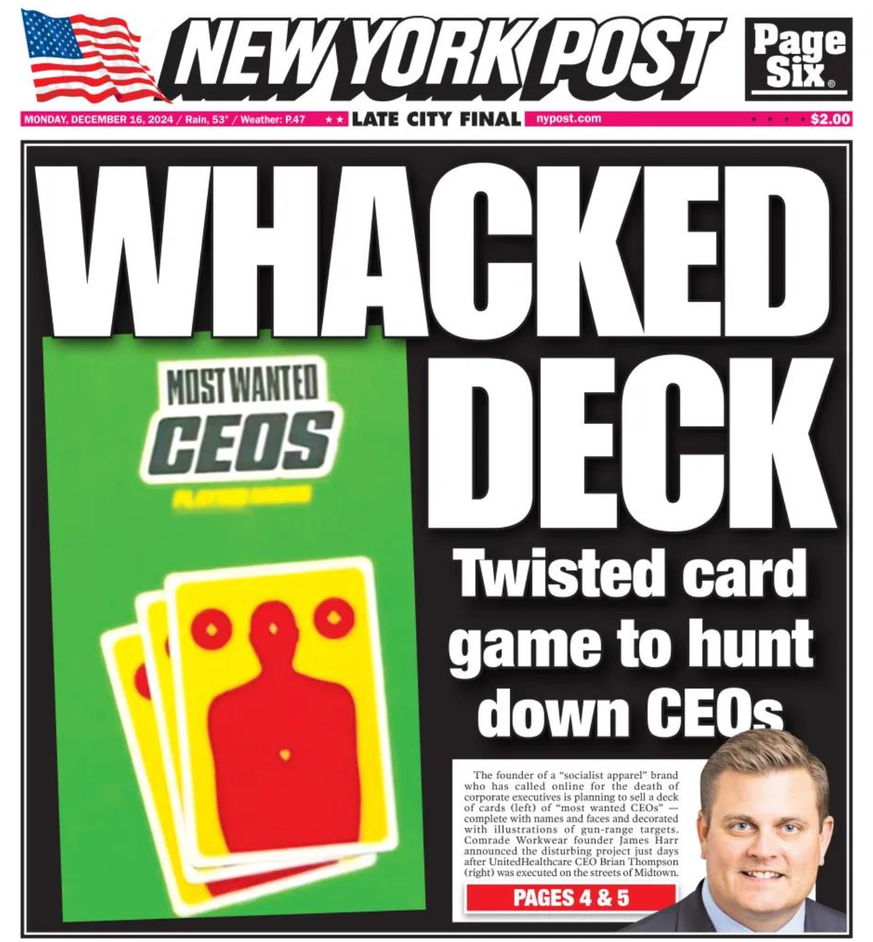
In December 2024, Harr announced plans to release a deck of “Most Wanted CEO” playing cards, satirizing the U.S. military’s “Most Wanted Iraqi” cards. The deck, featuring CEOs from industries like weapons manufacturing and real estate, was intended to critique the capitalist system, but the backlash was swift and severe. The New York Post ran a front-page story calling the cards “disturbing,” and the NYPD paid Harr a visit. While no charges were filed, the media storm led to his accounts being banned on platforms like TikTok, Instagram, and Shopify. PayPal also cut ties with Comrade Workwear, leaving Harr without a way to process payments. “These platforms have the power to silence voices, but they shouldn’t,” Harr said. “What I’m trying to do is draw attention to the influence these corporations have.”The incident underscored the power of corporate platforms to silence dissenting voices. “It’s one of those big things where you have to kind of gauge how real you want to be at any one time about any issue,” Harr explained. plained. "Because being as real as you want to be may stop your business from being able to support you."The "Most Wanted CEO" cards were designed to be a satirical critique of the capitalist system, not a call to violence. Each suit represented. a different industry, and the back of each card featured a generic shooting-range style silhouette. The cards would include QR codes linking to dedicated pages explaining the dangers posed by each company.
"The cards would include the person, what they're a part of, and a QR code that goes to dedicated pages that explain why they're evil," Harr explained in his now-removed video. "So you could be like, 'Why is the CEO of Walmart evil? Why is the CEO of Northrop Grumman evil?"' The cards did not reference Luigi Mangione, the alleged assassin of UnitedHealth Group CEO Brian Thompson nor did they include personal inforamtion about any CEO. Despite this the backlash was immediate and severe. This stands in stark contrast to other similar projects that have faced no such censorship. For example, "Gaza's Most Wanted" playing cards, which depict leaders of various militant groups, are readily available on Instagram. A Shopify store selling “Covid’s Most Wanted” playing cards, featuring figures like Bill Gates and Anthony Fauci, is still active as of this writing. Even Hero Decks, which sells novelty playing cards, produced a deck of “Wall Street Most Wanted” cards in 2003, which was popular enough to warrant a second edition. "There’s a clear double standard here,” Harr said. “When it’s about critiquing capitalism or powerful CEOs, suddenly it’s ‘disturbing’ and gets banned, but when it’s about other targets, it’s fine.”
A New Chapter: Means Workwear
Harr’s battle against censorship has continued Comrade Workwear had popped up across various social media channels, including Reddit and Redbook, constantly changing handles and running into bans. As of Febuary, determined to continue his mission, Harr decided to take on a new name and partner with Means TV, a worker-owned streaming platform. Under the new name Means Workwear, Harr is starting fresh, hoping for a clean slate. The rebranded site is set to launch on March 1st, with a renewed focus on creating clothing that sparks conversations and supports the fight for a more just world. “I’d love to have this be my full-time job,” Harr said. “Right now, I’m a oneman army—designing, packing orders, handling customer service, and creating content. It’s a lot.” If you’ve got a few bucks or just want to spread the word, show Harr some love. Check out Means Workwear and stay up to date on the latest drops here


.jpg)
.jpg)