
Hit Enter to Search or X to close
Recent wildfires in Los Angeles have displaced thousands. Just a few months before, Hurricane Helene wreaked havoc across large parts of the South, with rural Appalachia bearing the brunt of the devastation. In these areas, communities are still grappling with horrible conditions, from uninhabitable homes to a lack of necessities. Amid this ongoing crisis, the role of community and mutual aid has become increasingly vital. In this interview, we speak with Tai Little, a movement-building organizer for SEAC Village in North Carolina. Tai shares insights into the continuing challenges faced by the community, the systemic barriers to recovery, and the critical importance of mutual aid in helping Americans navigate this unsettling new reality.
Shadowbanned: Thank you for taking the time to speak with us, Tai. Can you describe what it’s like on the ground in areas most affected by Hurricane Helene, especially during the winter?
Tai Little: Of course. Right now, we’re still very much in crisis mode. People are being displaced, and it’s primarily impacting low-income communities and people of color. Public housing was disproportionately affected, and many residents were given temporary FEMA hotel vouchers. However, those vouchers expired on January 11. After that, a lot of people will have nowhere to go. The government’s assistance has been riddled with barriers—you often need to own property to qualify for certain programs, which excludes many in our community.
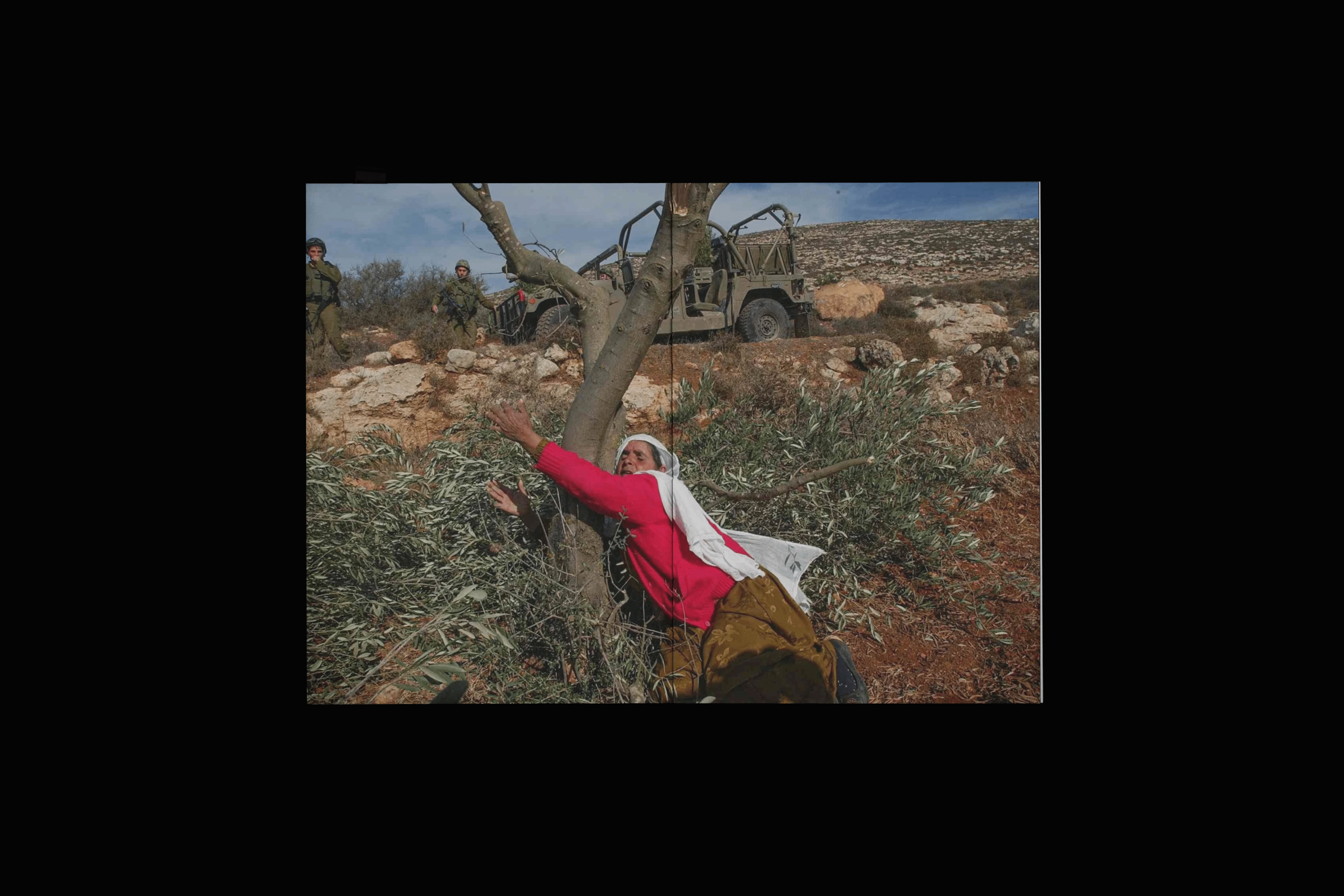
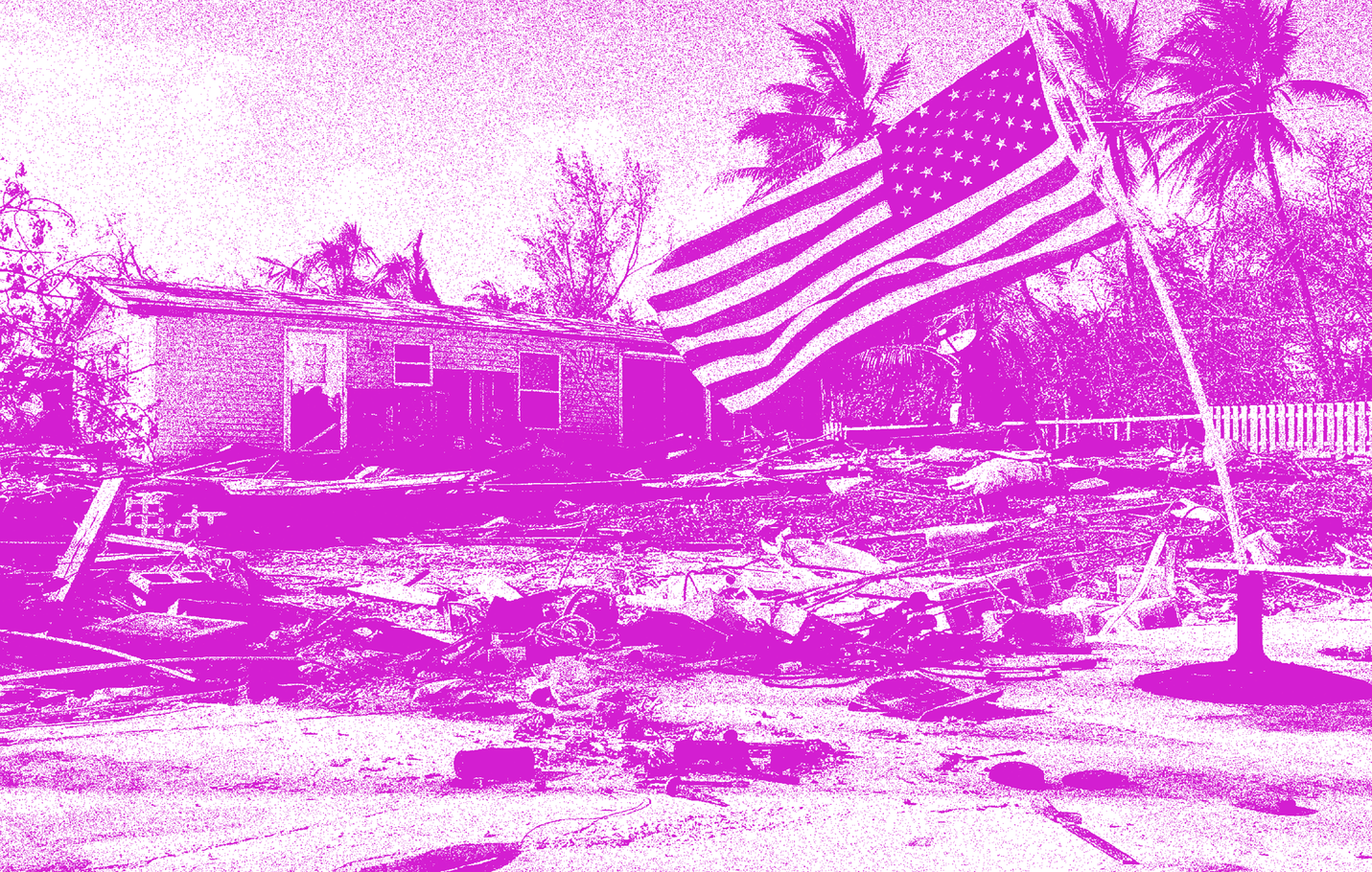
Andrew Rumbach, a senior fellow at the Urban Institute who studies household and community risk to hazards and climate change explains that people who live in trailer parks often lack insurance, or are underinsured, further magnifying their chance of long-term economic disruption from a hurricane like Helene. People in these situations often confront “really complicated issues” in financing a home, he noted. “You can’t get a conventional mortgage on a manufactured home in most states, including Florida, because it’s not ‘real property.’ It’s what we call ‘chattel property’ or personal property,” he said. This key distinction makes it harder for those trying to rebuild a manufactured home after a disaster because it can be more difficult to get aid, particularly when such properties are purchased informally through private sales, Rumbach said. People living in mobile home parks across the nation also often find themselves ineligible for recovery programs like buyouts because they don’t own the land below their structures. As a result, people are living in tents in freezing temperatures. Their homes have been compromised, with mold and flooded vents, making them uninhabitable. There’s also a severe public health issue—the sewage system hasn’t recovered, and while the boil water advisory was lifted, people still break out in hives from using the water. This creates a breeding ground for infectious diseases, especially with winter approaching. People are hungry and cold, and some are still living in homes with trees fallen through them or large gaping holes that leave them exposed to the elements.
S: What are some of the major obstacles people on the ground face in recovering from this disaster?
T: One of the biggest obstacles is the complete lack of a reliable shelter system. As I mentioned, people are living in tents, cramming into homes with friends or neighbours, or trying to survive in damaged houses with trees still lodged in them. These temporary FEMA vouchers for hotels have expired and now we’re looking at a housing crisis. Adding to that, developers have started surveying the area and planning to build luxury apartments. They see this disaster as an opportunity to push out long-time residents and profit at the expense of our culture, history, and community. This gentrification threatens to displace people permanently, which will only deepen the crisis. People here don’t want to leave; they want to rebuild and stay. But, it’s going to be a long uphill fight to ensure they can. Another major barrier is that only people displaced from existing housing are eligible for FEMA rental assistance. Those who lost their jobs can apply for disaster unemployment assistance, but the maximum weekly benefit in North Carolina is $600, which doesn’t go far in an expensive city like Asheville. On top of that, over 100,000 homes across the region were damaged by the storm, according to preliminary state estimates. Hotel rooms and short-term rentals are already occupied by evacuees, and many people who are still out of work can’t provide the proof of employment usually required to sign a new lease. All of this makes finding stable housing an even greater challenge.
Additionally, the infrastructure damage is exacerbating recovery efforts. The North Carolina Department of Transportation recently announced that another section of I-40 slipped into the Pigeon River Gorge in December, delaying the reopening of this crucial highway indefinitely. This has left many communities isolated, complicating the delivery of aid and the transportation of essential goods and services. The inability to travel for work creates more obstacles for people to secure housing and recover. Undocumented migrants face even more hurdles. Without proper ID, they’re ineligible for most forms of aid, including FEMA assistance. Many of these individuals are integral to the recovery effort but are left without resources to support themselves. On top of that, the eviction moratoriums have expired, putting even more people at risk of losing their homes as they navigate an already tight housing market.
S: How are people in the community coping with these immediate challenges such as housing, food, and medical care?
T: The community has leaned heavily on itself. Mutual aid groups have stepped up where the government hasn’t. From organizing food drives to securing propane tanks for heat. Organizations have even gone as far as to send truckloads of cigarettes, alcohol, and Narcan as a form of harm reduction. People are going through traumatizing times right now, and this harm reduction approach helps them cope in the ways they know best. As much as it might be frowned upon, now is not the time to paternalize or evangelize ‘better’ coping mechanisms when people are already overwhelmed. Providing these items helps prevent further degradation of mental health, whether that’s avoiding withdrawals or preventing mental health crises. Additionally, mutual aid groups have focused on culturally relevant aid, like sourcing hair care products tailored to Black residents’ needs. Many donations included only generic shampoo, which can harm Black hair by stripping moisture. Ensuring access to appropriate products is critical for preserving self-esteem and a sense of normalcy during these challenging times. Beyond that, SEAC Village and other groups have been supporting the community’s health needs by helping people access prescription drugs and necessary healthcare. Many people are without reliable electricity or water, making even basic hygiene and sanitation difficult. Volunteers have been distributing cleaning supplies and working to clear debris, but the situation remains dire.
S: Have you noticed any shifts in community sentiment as time passes? Do people feel forgotten?
T: Definitely. While there’s immense gratitude for the initial wave of support, there’s also frustration and alienation. In the first two months, volunteers came from all over, but as the news cycle moved on, so did the engagement. People feel forgotten. Sustained interest and support are critical for our recovery, but they’ve dwindled significantly. The reality is that many of the issues we’re facing, like inadequate housing and food insecurity, won’t be resolved quickly, and we need consistent support to see it through.
S: Mutual aid has been at the forefront of the recovery. How would you define mutual aid in this context, and how has it been crucial to your community’s survival?T: Mutual aid everything. It’s about rallying together to meet each other’s needs when the system fails us. SEAC Village has facilitated everything from rental assistance to navigating bureaucratic hurdles for aid. Unlike large non-profits, mutual aid focuses on what the community needs, not what outsiders assume we need. It’s this deeply personal and community-centered approach that has kept us afloat.S: What are the biggest challenges sustaining these efforts over time?
T: The biggest challenge is maintaining interest and engagement. Mutual aid thrives on collective action, but as interest wanes it becomes harder to raise funds and gather supplies. Keeping people aware and invested in the long-term recovery is critical, especially when the rebuilding process will take years if not decades.
S: What lessons have this disaster taught you about handling climate-related crises in the U.S.?
T: Community and mutual aid are paramount. The most effective preparation involves building infrastructure now, like strong community networks before crises hit. We can’t rely solely on the government—we need to take care of each other. For those facing potential climate disasters, I’d say: start organizing now. Identify people in your community who can support each other, establish communication methods, and think about resources you might need. Pods, which are small, localized support networks, can be lifesaving. This concept has roots in how whales operate in pods to protect and support one another. The idea is simple—know your community, share what you have, and work together to meet everyone’s needs. Climate crises aren’t going away, and the time to build resilience is before disaster strikes. Also, addressing climate crises requires long-term thinking. We need policies that prioritize disaster resilience in low-income and marginalized communities, which are often hit the hardest. Climate justice and social justice go hand in hand.
S: How might the Trump administration impact your recovery efforts?
T: We’re worried. Many in our community, especially migrants, are vital to the rebuilding process, but they may feel unsafe due to the administration’s rhetoric and policies. Tariffs could drive up the already high cost of rebuilding materials, further delaying recovery. The hateful rhetoric also risks dividing our community, so we’re working hard to maintain solidarity and focus on our shared goals. If labour becomes scarce because people feel unsafe showing up for work—whether in construction, farming, or other essential industries—it will make recovery even harder. This administration’s actions could seriously hinder our efforts.
S: From your perspective, how has this disaster shaped community members’ views of the government and its role in responding to climate crises?
T: People on the ground have come to terms with the fact that the government is not going to be their main source of salvation. They’re not here on the ground, and their response has been slow and riddled with bureaucratic barriers. Community members have realized that they can’t rely solely on government aid—they’ve had to step up and take care of each other. This disaster has given the community a profound sense of solidarity. This realization isn’t new though, the working class has been struggling long before Hurricane Helene. The government has proven that they are not working for us, and this disaster has only highlighted the gaps in systemic support. Still, this solidarity is empowering people to organize and advocate for better resources and policies to face the road ahead.
S: What has this experience taught you about the strength and resilience of your community?
T: We’re resilient, no doubt about it. This disaster won’t wipe out our culture or our history. We’re determined to stay and rebuild. It’s a long road ahead, but we’re strong, and we have each other. That’s how we’ll get through this. We’ve also learned how to innovate and adapt quickly. Whether it’s organizing food drives or setting up makeshift health clinics, we’ve shown that we can respond to crises in real time with the resources we have.
S: Is there anything else you think people need to understand about the recovery efforts, challenges faced, or the long-term needs of the community?
T: We need help, whether on the ground, through donations, or simply spreading the word. It’s crucial that people stay engaged and don’t forget about us. Recovery will take decades, and we can’t do it alone. Please share our story and encourage others to support us however they can. Through donations, or simply spreading the word. It’s crucial that people stay engaged and don’t forget about us. Recovery will take decades, and we can’t do it alone. Please share our story and encourage others to support us however they can.

.jpg)
.jpg)