1865
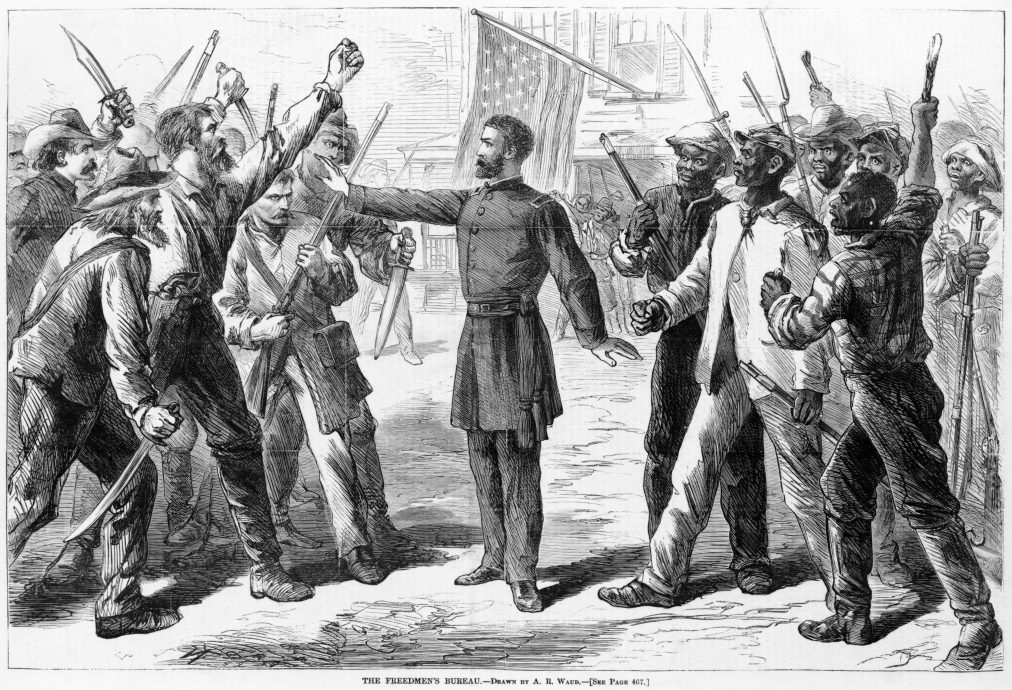
Formation of Freedmen’s Militias
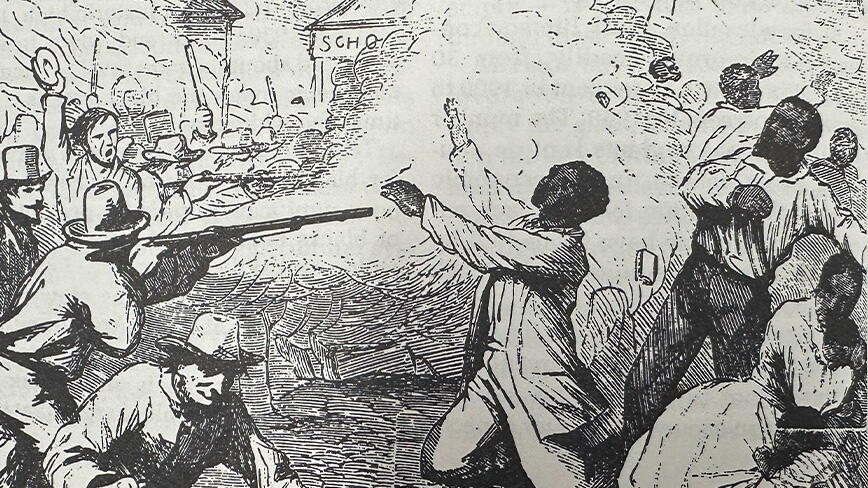
Freedpeople organized local militias to protect communities from white supremacist violence. These groups defended political autonomy and ensured freedom was actively enforced on the ground.
1877
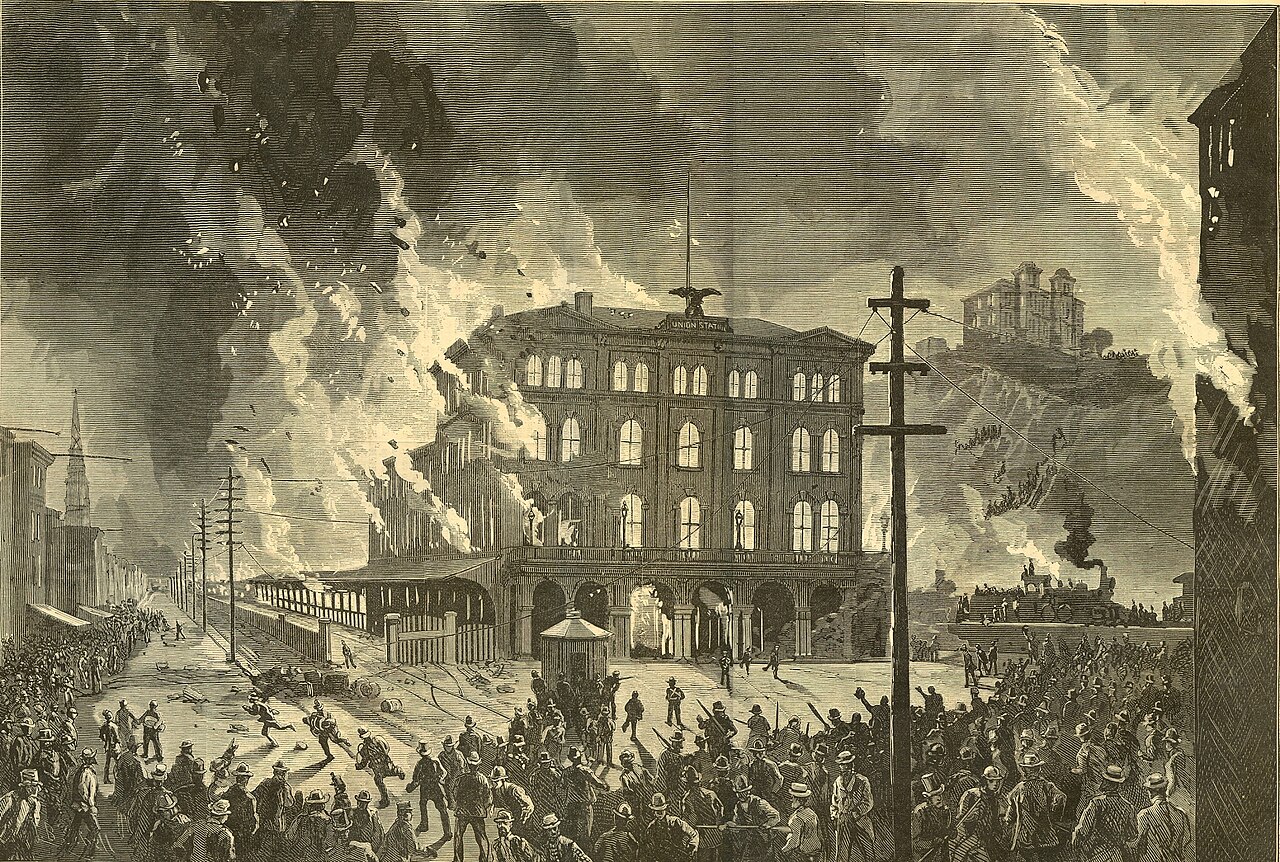
Railroad Strike (Nationwide)
Black and white workers went on strike and had an uprising over wage cuts and harsh labor conditions. Black participation highlighted post-emancipation labor struggle as part of a larger fight against systemic oppression.
1890
Increased Vigilance Against Lynching and Political Violence
Black communities formed watch groups, self-defense organizations, and political networks to resist terror campaigns, maintaining political and social organization despite systemic violence.
1865-1890)
The Lowry War
In North Carolina, Henry Berry Lowry led a multiracial Black resistance that fought white vigilantes and the Ku Klux Klan. Black and Native communities formed militias to defend against racial terror, continuing insurgent traditions.
1911
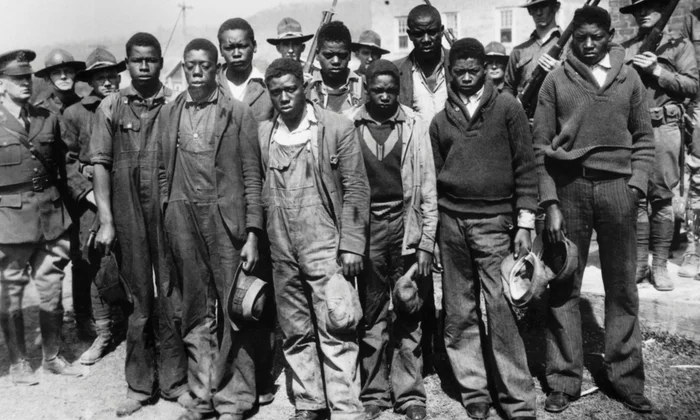
Green Corn Rebellion
The Green Corn Rebellion was a multiracial rural uprising of tenant farmers and sharecroppers, including Black organizers, resisting land exploitation and the World War I draft. Though quickly suppressed, it reflected the persistence of insurgent traditions in Black and poor communities;
1870
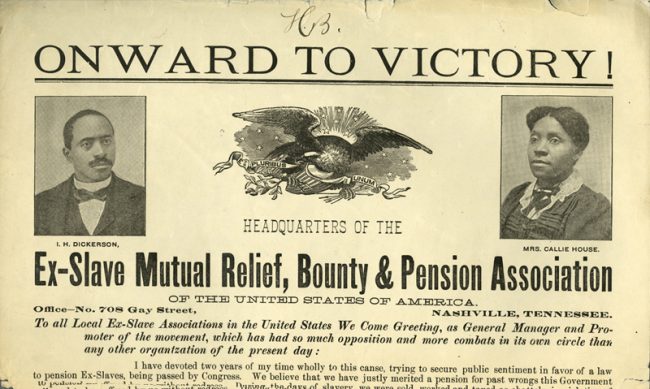
Formation of Mutual Aid Societies
Black communities established cooperative societies, schools, and healthcare networks, sustaining autonomy and collective resilience under systemic discrimination.
1880s
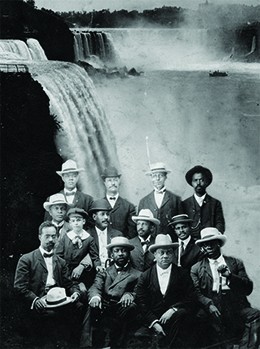
Rise of Black Labor Unions
Black workers joined labor unions, forming the basis for organized resistance to exploitative labor practices while navigating Jim Crow repression.
1890s
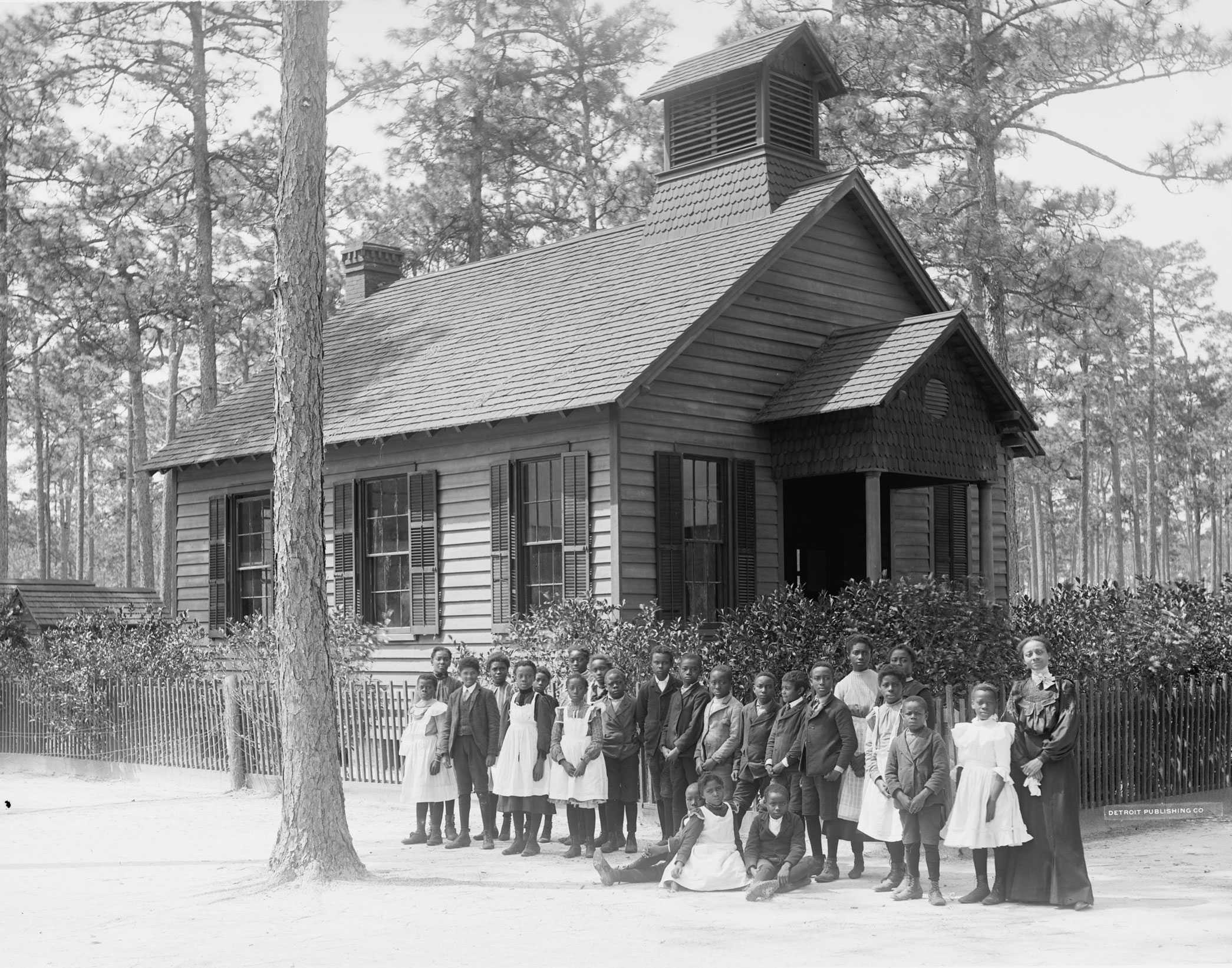
Expansion of Black Schools and Cultural Institutions
Educational and cultural organizing helped preserve autonomy, train new leaders, and foster political consciousness in the face of segregation and disenfranchisement.
1890
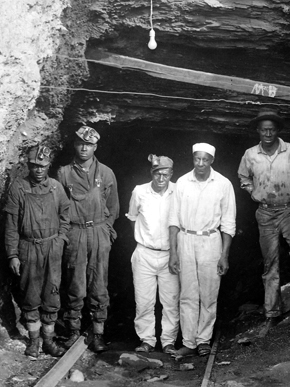
The Coal Creek War of the 1890s
Black and white miners organized strikes and armed actions against the state-backed convict leasing system, challenging corporate power while laying the groundwork for future labor organizing and cross-racial solidarity..

.svg)



_(cropped).jpg)
%402x.svg)
%402x.svg)
.svg)


.png)

.svg)