1811
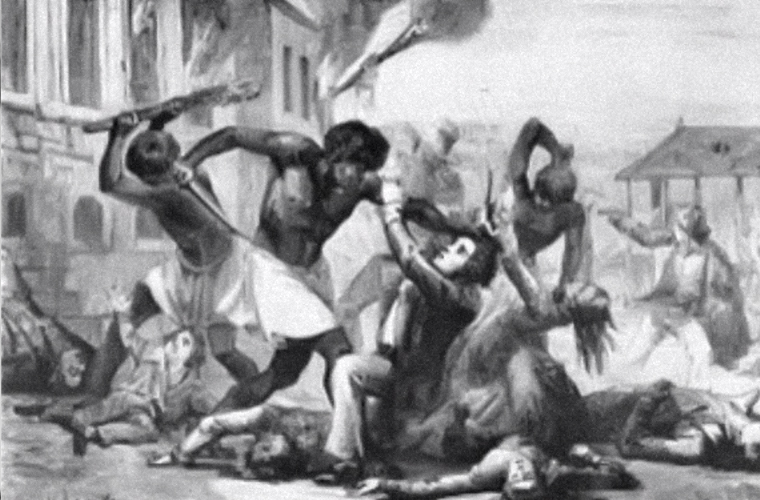
German Coast Uprising (Louisiana)
Hundreds of enslaved people coordinated an armed march along the Mississippi, attacking plantations and challenging the region’s slaveholding system. Though violently suppressed, the revolt demonstrated the capacity for large-scale organized resistance and inspired fear among U.S. slaveholders, showing that enslaved people could act strategically and collectively.
1829
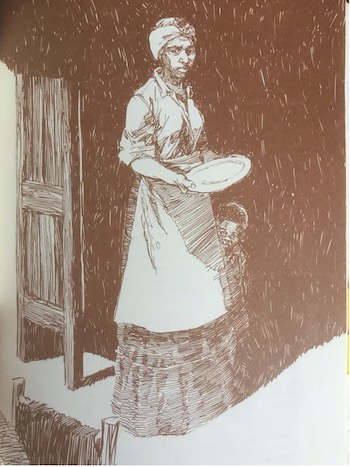
Sylvia Weber and Free Black Networks (Pennsylvania)
Sylvia Weber, a free Black woman, helped enslaved people escape and coordinated early abolitionist networks in the North. Her work demonstrates the critical role of women and free Black communities in sustaining resistance and building organizational infrastructure before emancipation.
1840s
Underground Railroad Expansion
Free Black activists, women, and allied abolitionists developed intricate escape networks across the U.S., moving thousands of enslaved people toward freedom. This clandestine system strengthened community resilience, created political consciousness, and showed the power of decentralized, grassroots organizing.
1851
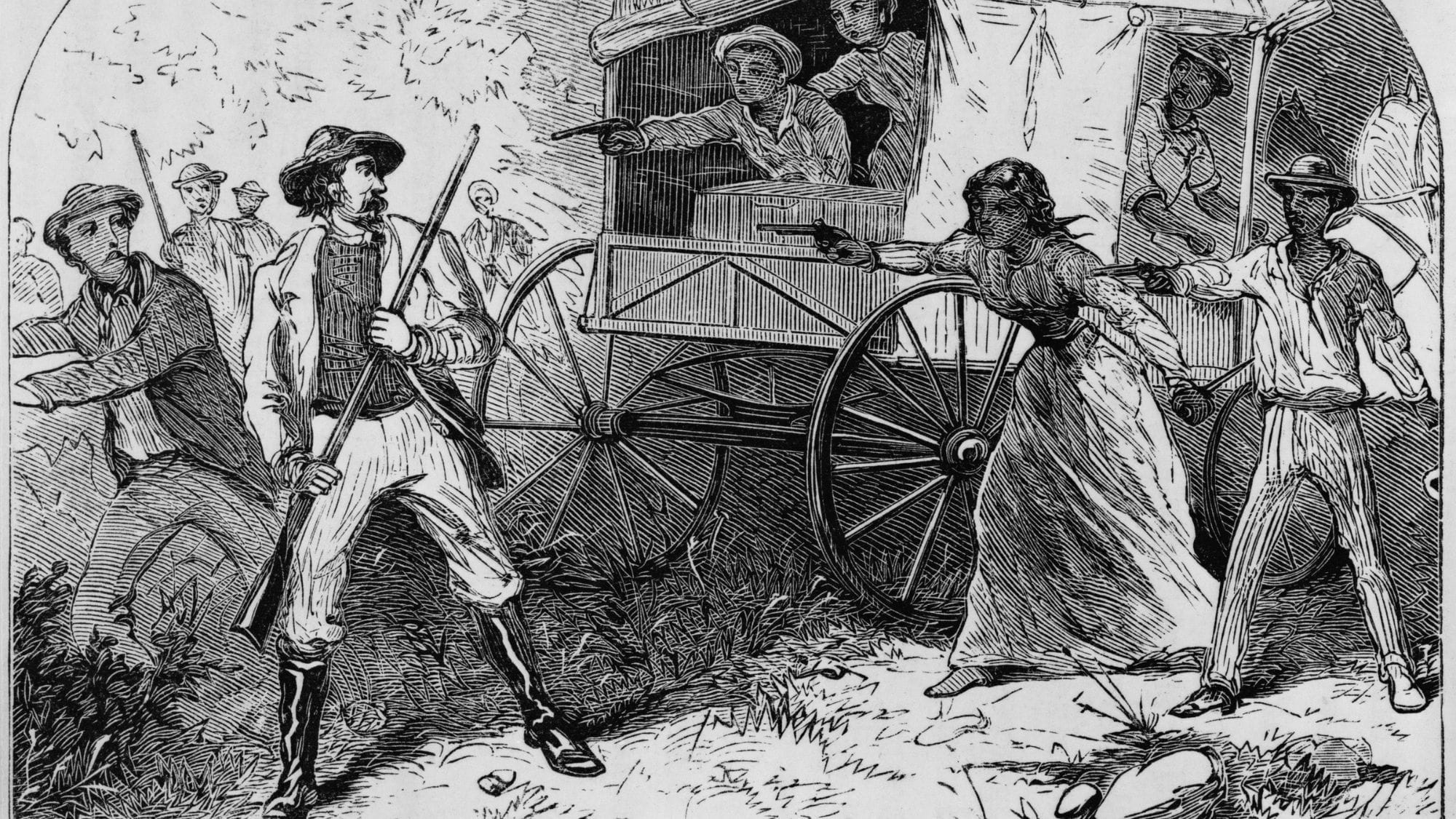
Christiana Resistance (Pennsylvania)
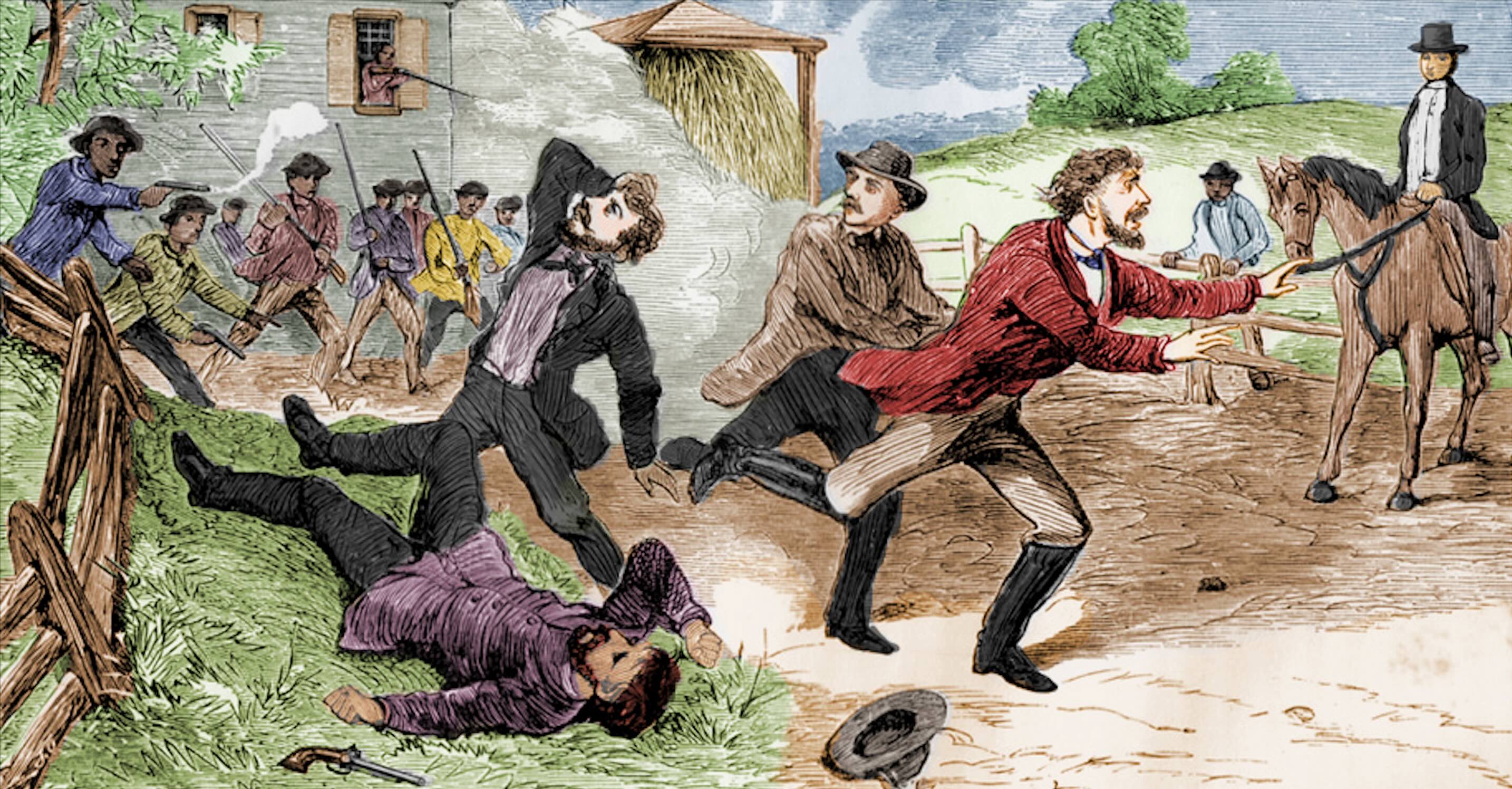
Black residents and abolitionists violently resisted slave catchers attempting to enforce the Fugitive Slave Act. Armed community defense resulted in the death of a slaveholder and forced federal authorities to retreat. The event revealed widespread Northern refusal to uphold slave law and marked a turning point where abolition moved from moral protest to organized physical resistance.
1859
John Brown’s Raid on Harpers Ferry (Virginia)
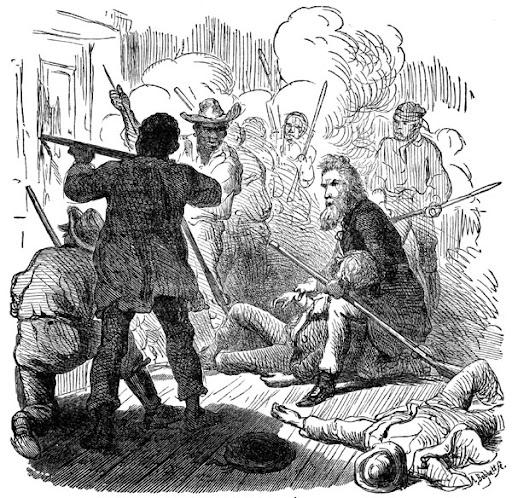
Brown’s attempted armed insurrection sought to free enslaved people and spark a national revolt. It directly challenged the institution of slavery and demonstrated white allyship in radical Black liberation struggles.
1812
Negro Fort Revolt (Florida Territory)
Enslaved and free Black people seized a British-built fort along the Apalachicola River, creating a defensive stronghold. Its destruction by U.S. forces highlighted both the threat autonomous Black communities posed to colonial and settler authorities and the willingness of Black people to fight for self-determination.
1831
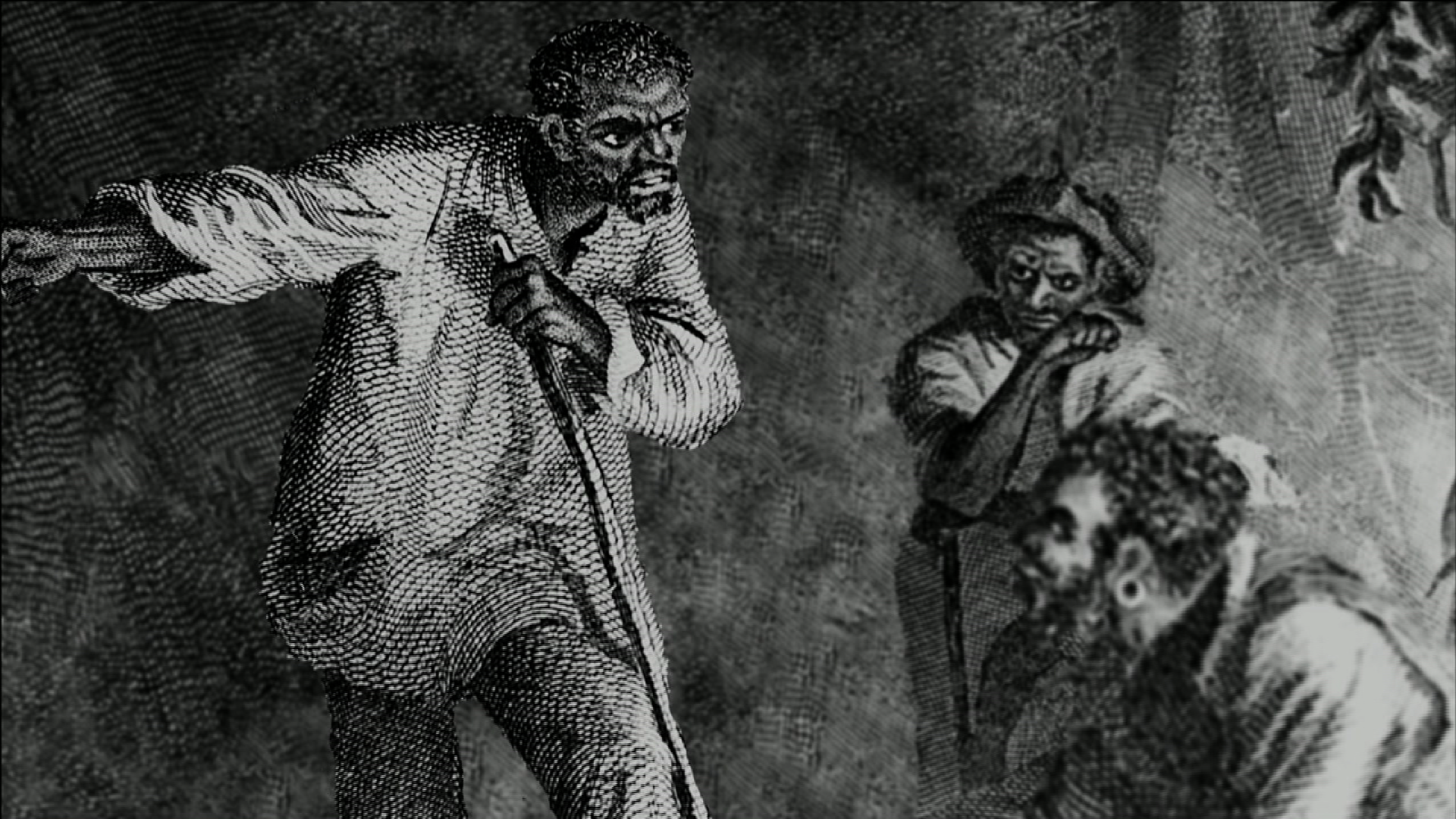
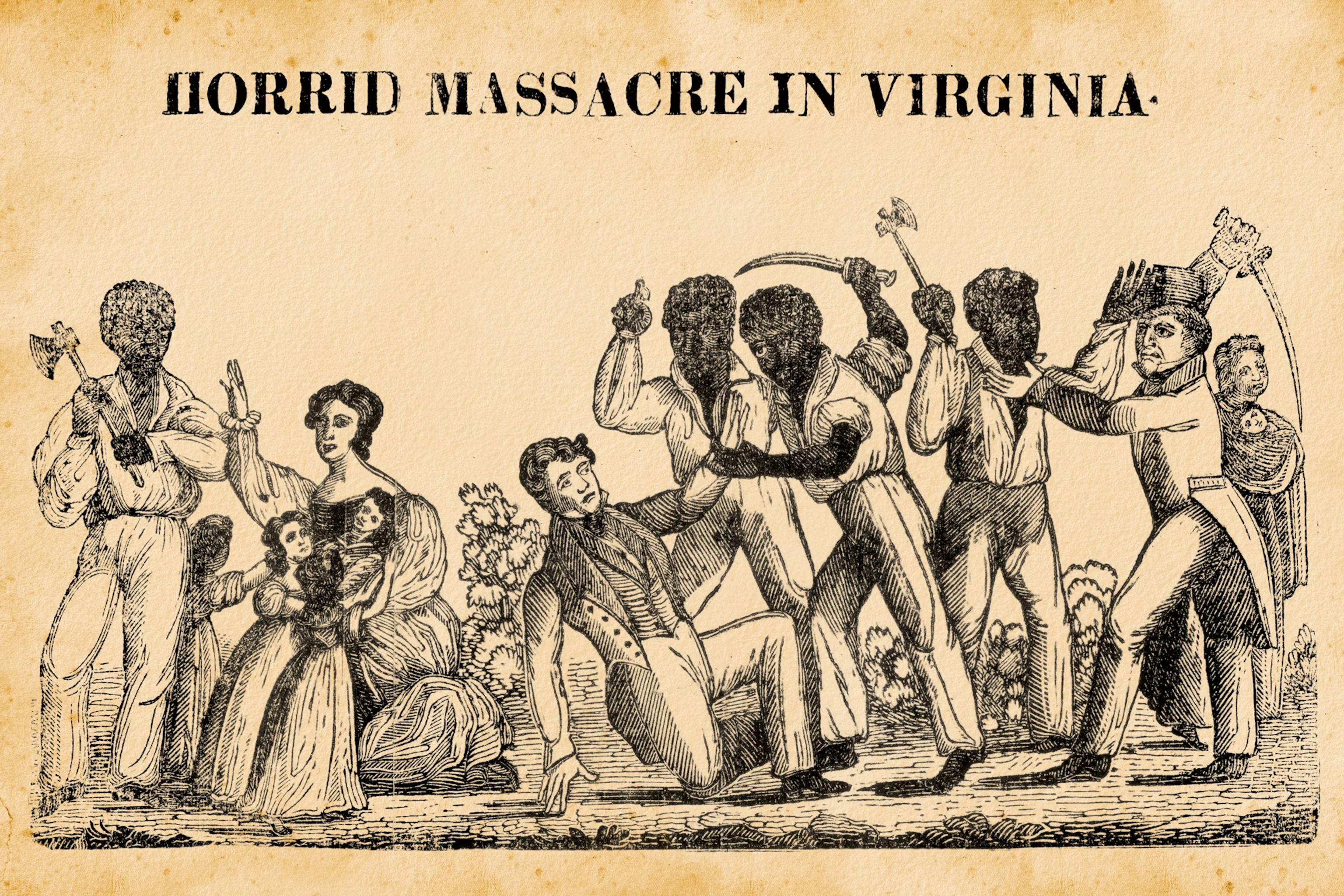
Nat Turner’s Rebellion (Virginia)
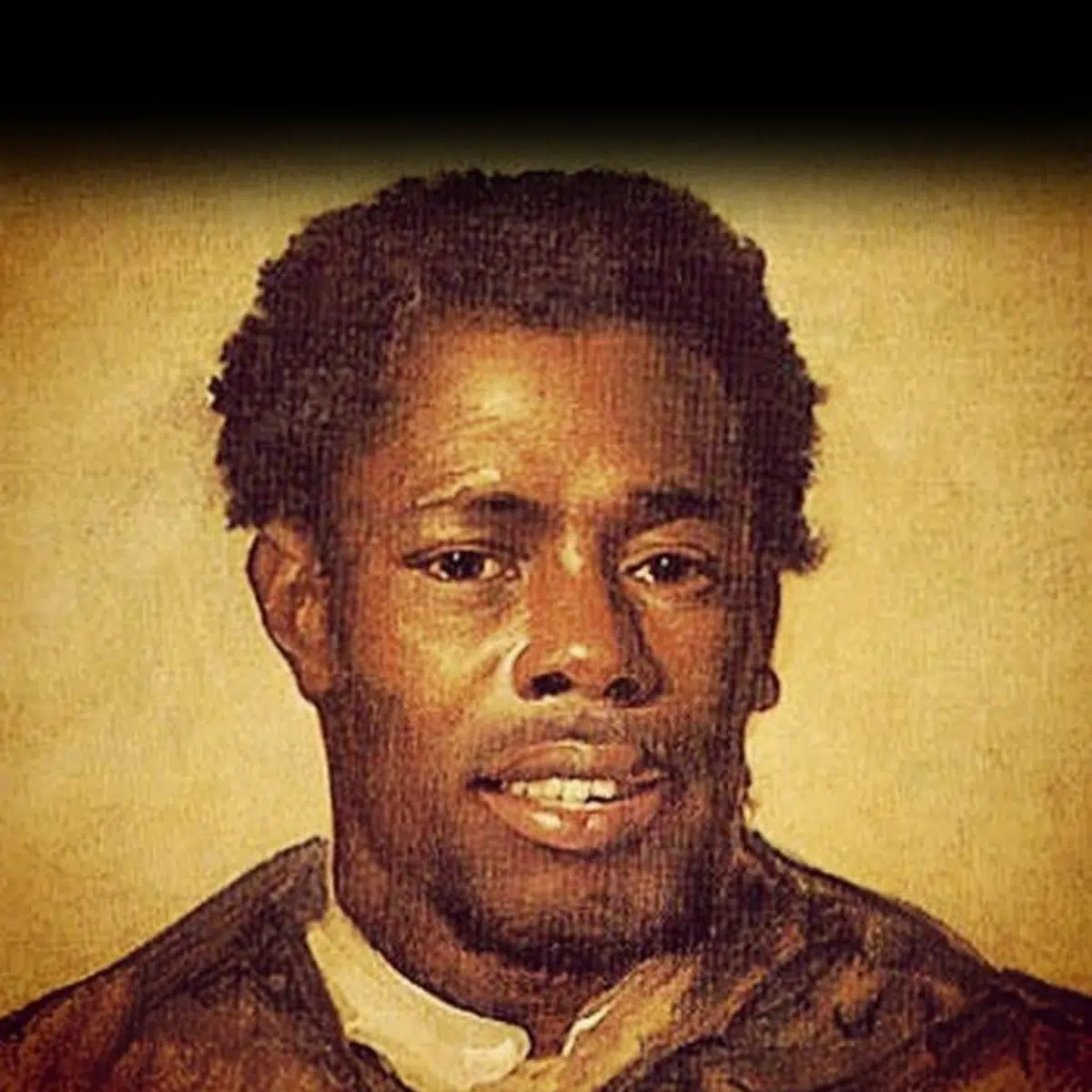
Nat Turner led a violent uprising that killed dozens of enslavers and disrupted plantation hierarchies. Though crushed, the revolt provoked widespread fear and intensified both local repression and Northern abolitionist organizing, showing the explosive potential of Black-led insurgency.
1841
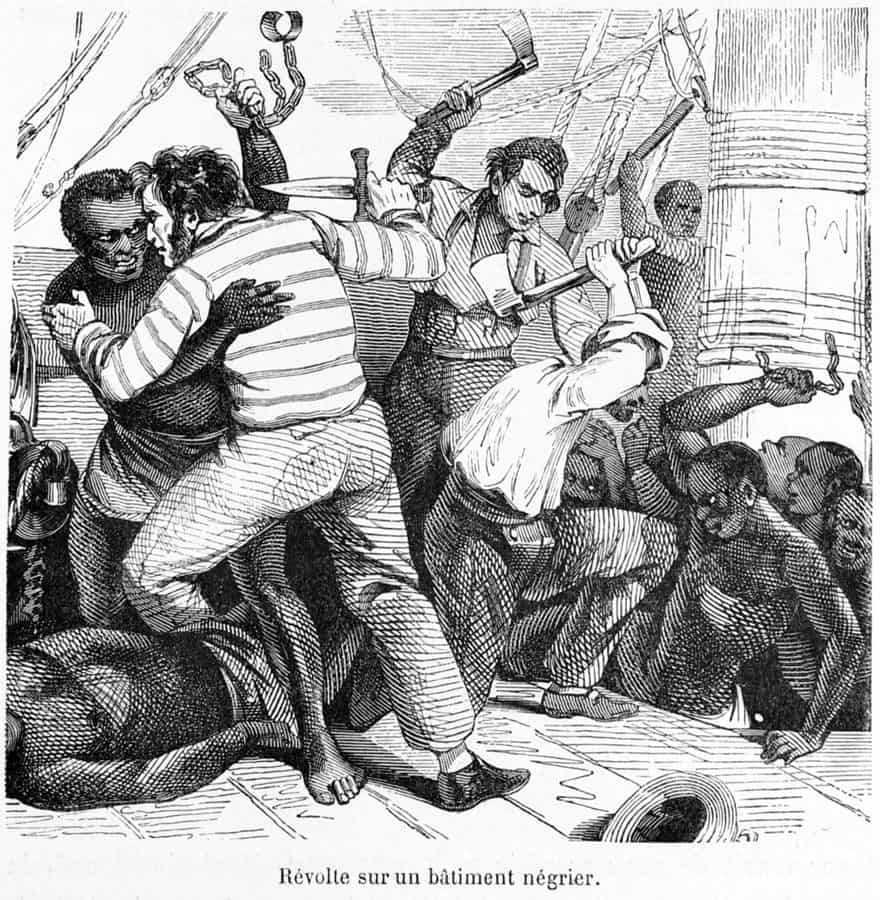
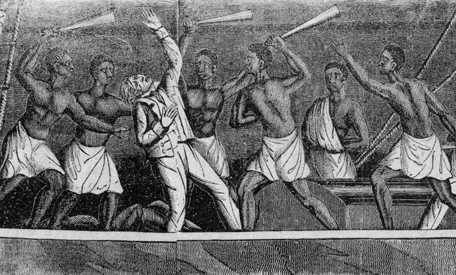
Creole Revolt (Atlantic Coast)
Enslaved people aboard the slave ship Creole seized control of the vessel and forced it to sail to the British Bahamas, where slavery had been abolished. The revolt exposed the vulnerability of the transatlantic slave system and forced international attention on U.S. slavery. It demonstrated that maritime revolt was a powerful tactic for disrupting slave economies and asserting self-emancipation beyond U.S. legal control.
1858
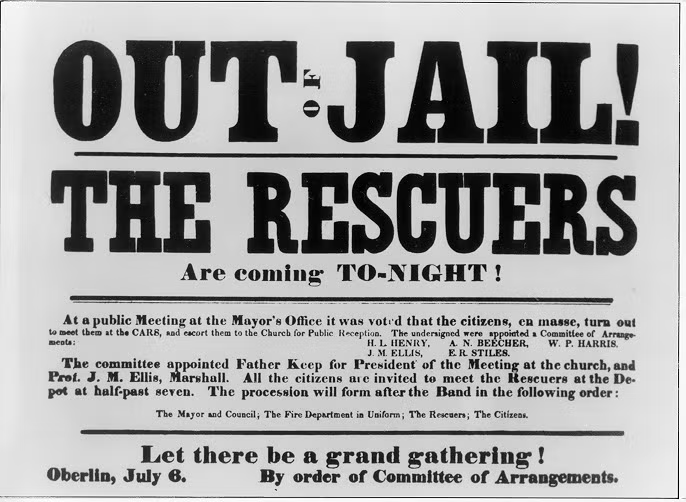
Oberlin–Wellington Rescue (Ohio)
A multiracial abolitionist network forcibly freed an enslaved man from federal custody, openly defying the Fugitive Slave Act. Dozens were arrested, but public support and political pressure overturned most charges. The rescue demonstrated that abolition had become a mass civil disobedience movement willing to physically intervene against federal enforcement and publicly challenge the legitimacy of slave law.
.svg)

.jpg)
%402x.svg)
%402x.svg)
.svg)

.png)

.svg)
.jpeg)