Marcus Garvey and the Universal Negro Improvement Association connected Black liberation across the African diaspora. Pan-African ideas, economic independence, and cultural pride inspired communities worldwide. This chapter explores the global reach of Black radical thought and the vision of freedom beyond borders.

Timeline

1920
First International Convention of the Negro Peoples of the World (UNIA, Harlem)

Marcus Garvey’s UNIA convened tens of thousands of delegates from Africa, the Caribbean, and the Americas, creating the largest mass Black political assembly in history. Emerging from post–World War I racial violence and colonial exploitation, the convention declared a global Black nationhood project and adopted the Declaration of Rights of the Negro Peoples of the World. Its scale demonstrated the political power of working-class Black internationalism and forced colonial governments to confront organized diasporic resistance.

1921
Red Summer Aftermath and Global Radicalization

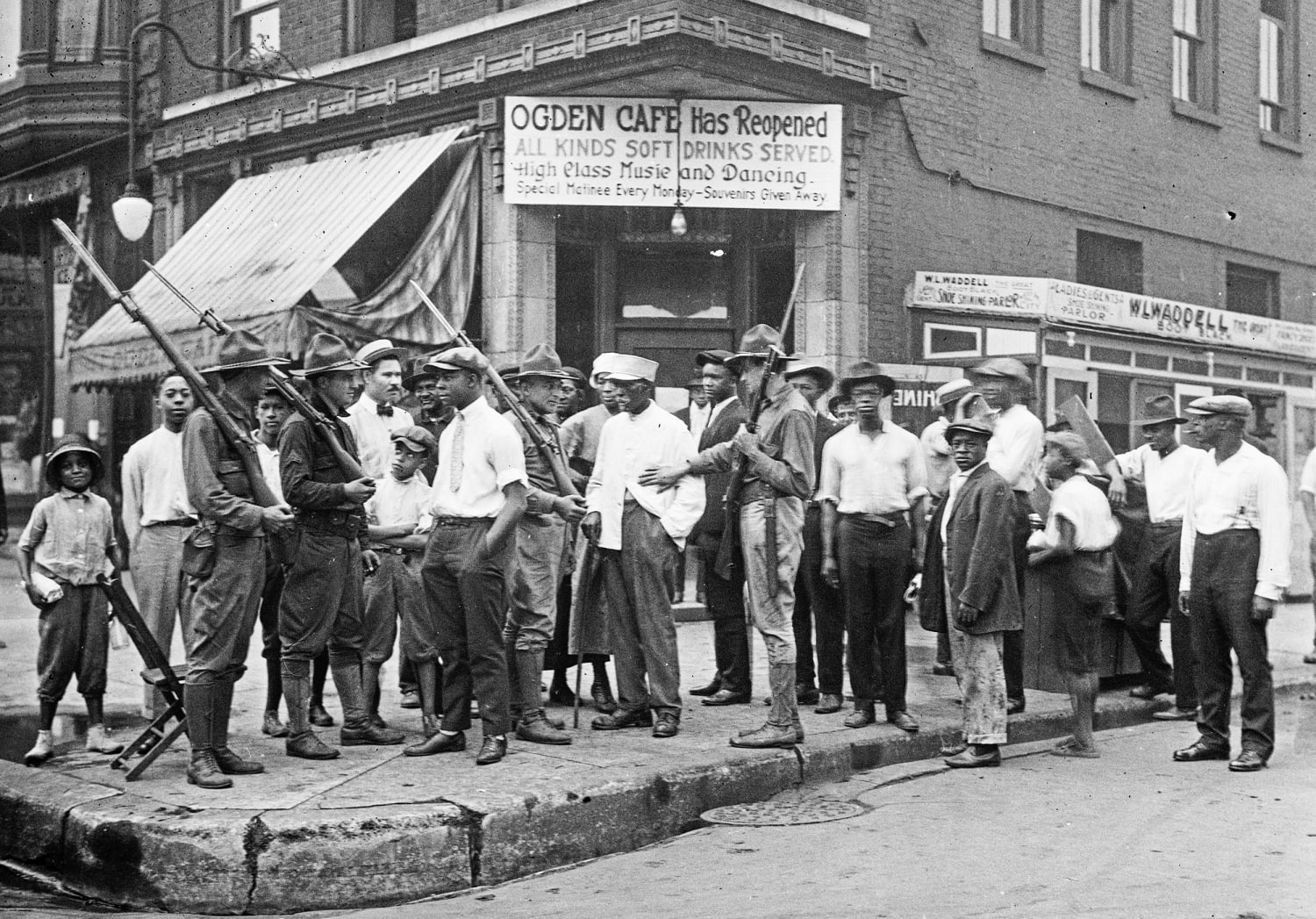
Following the wave of racial massacres across the United States in 1919, Pan-African organizing intensified as Black communities sought collective protection and international solidarity. These conditions radicalized organizers, shifting strategies from appeals to integration toward mass self-defense, nationalism, and global resistance frameworks.

1927
League Against Imperialism Congress (Brussels)

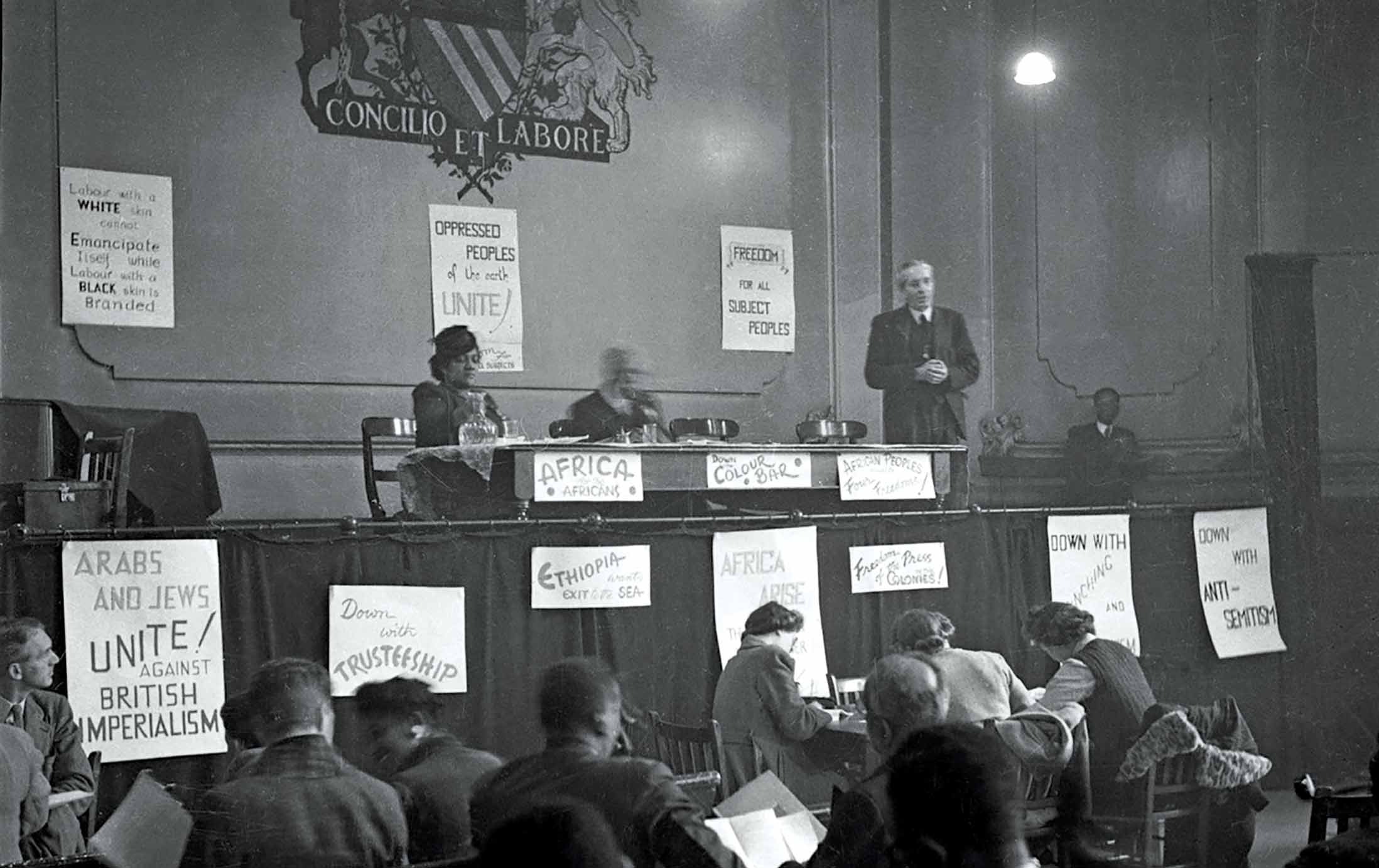
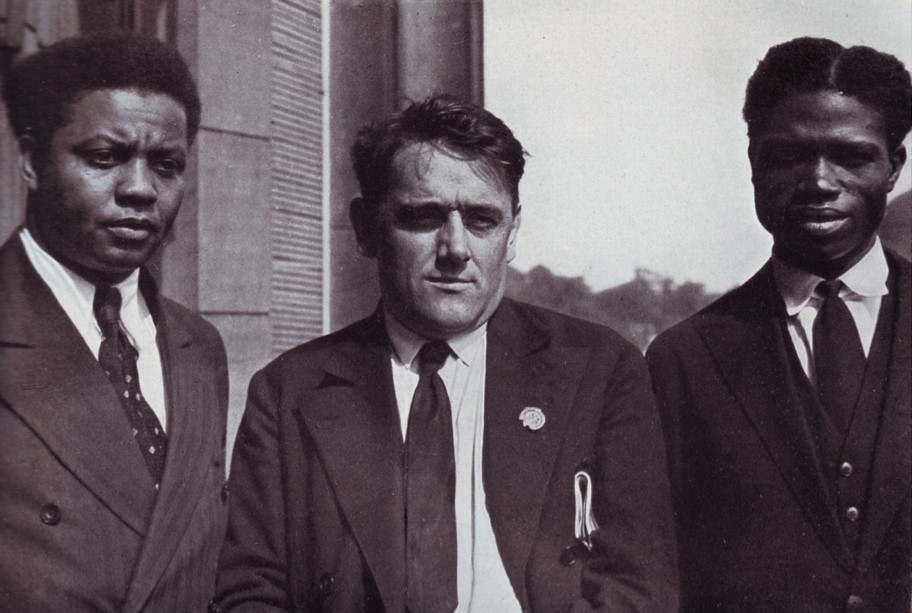
Black organizers and African delegates joined anti-colonial leaders from Asia and Latin America to coordinate resistance to European empire. This marked a shift from symbolic Pan-African unity to strategic international anti-imperialist organizing. It positioned Black liberation as inseparable from global revolutionary movements.

1930
Coronation of Haile Selassie and Rise of Global Black Consciousness

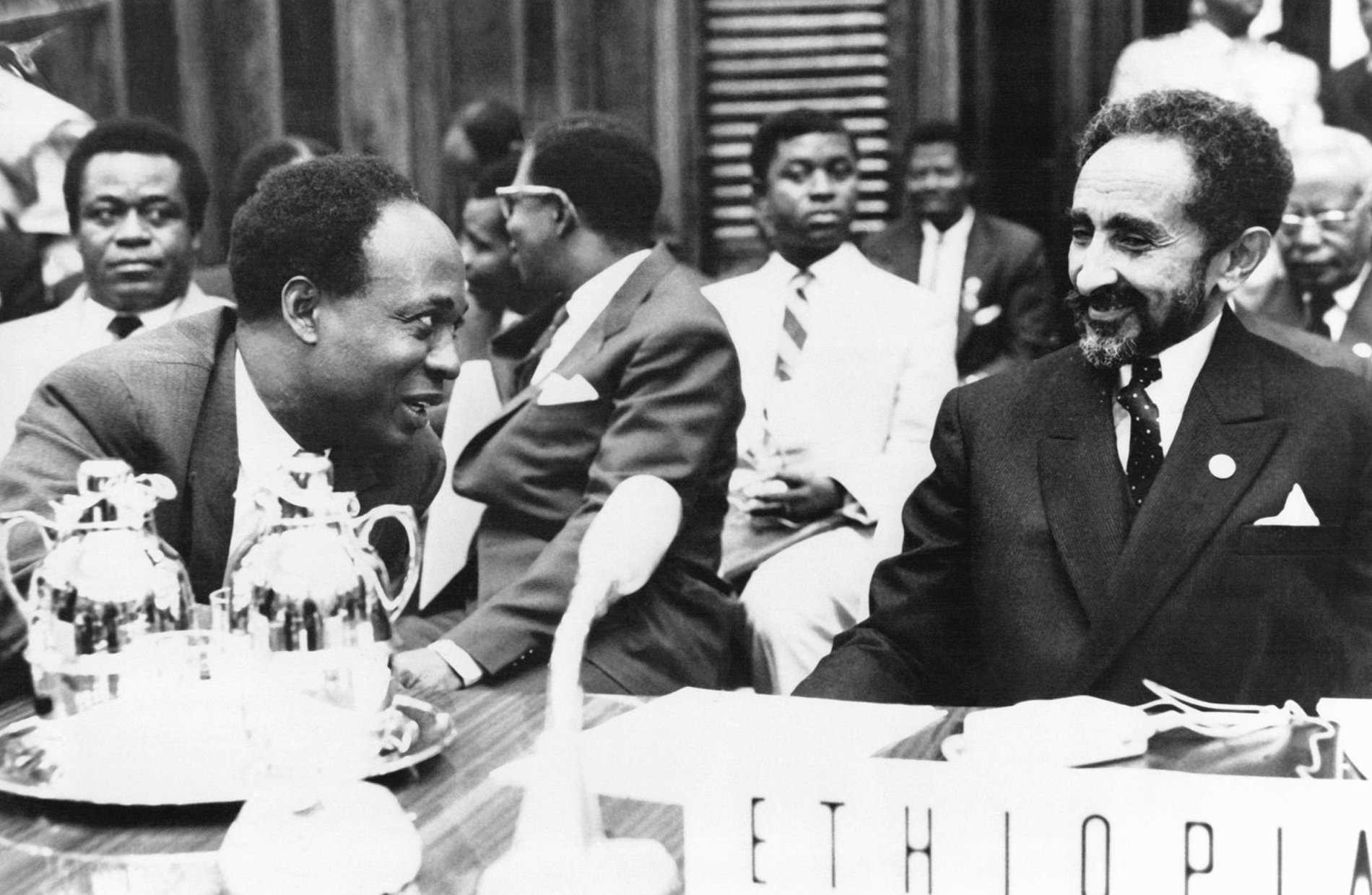
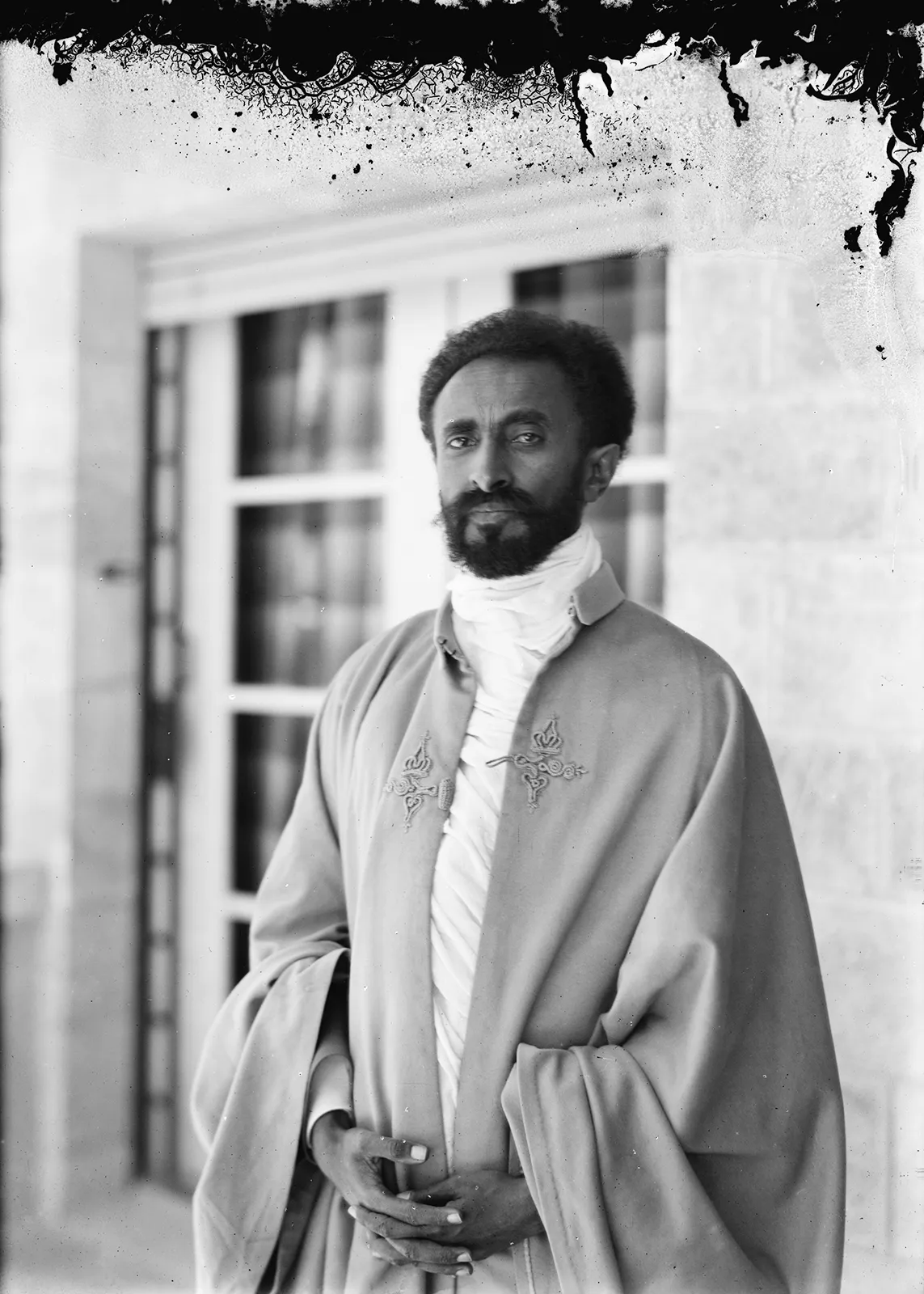
The coronation of Haile Selassie in Ethiopia symbolized African sovereignty and dignity at a time when most of the continent was colonized. For Black diasporic communities, Ethiopia represented a living counter-image to white supremacy and imperial domination, strengthening spiritual, political, and cultural Pan-African identity.

Late 1930s
Pan-African Networks Transition Into Organized Anti-Colonial Movements

By the late 1930s, Pan-Africanism shifted from mass symbolic unity to coordinated political organizing that fed directly into African independence movements and Black liberation struggles in the Americas. These networks trained future leaders, produced revolutionary theory, and established global organizing pipelines that shaped mid-century decolonization and Black Power movements.

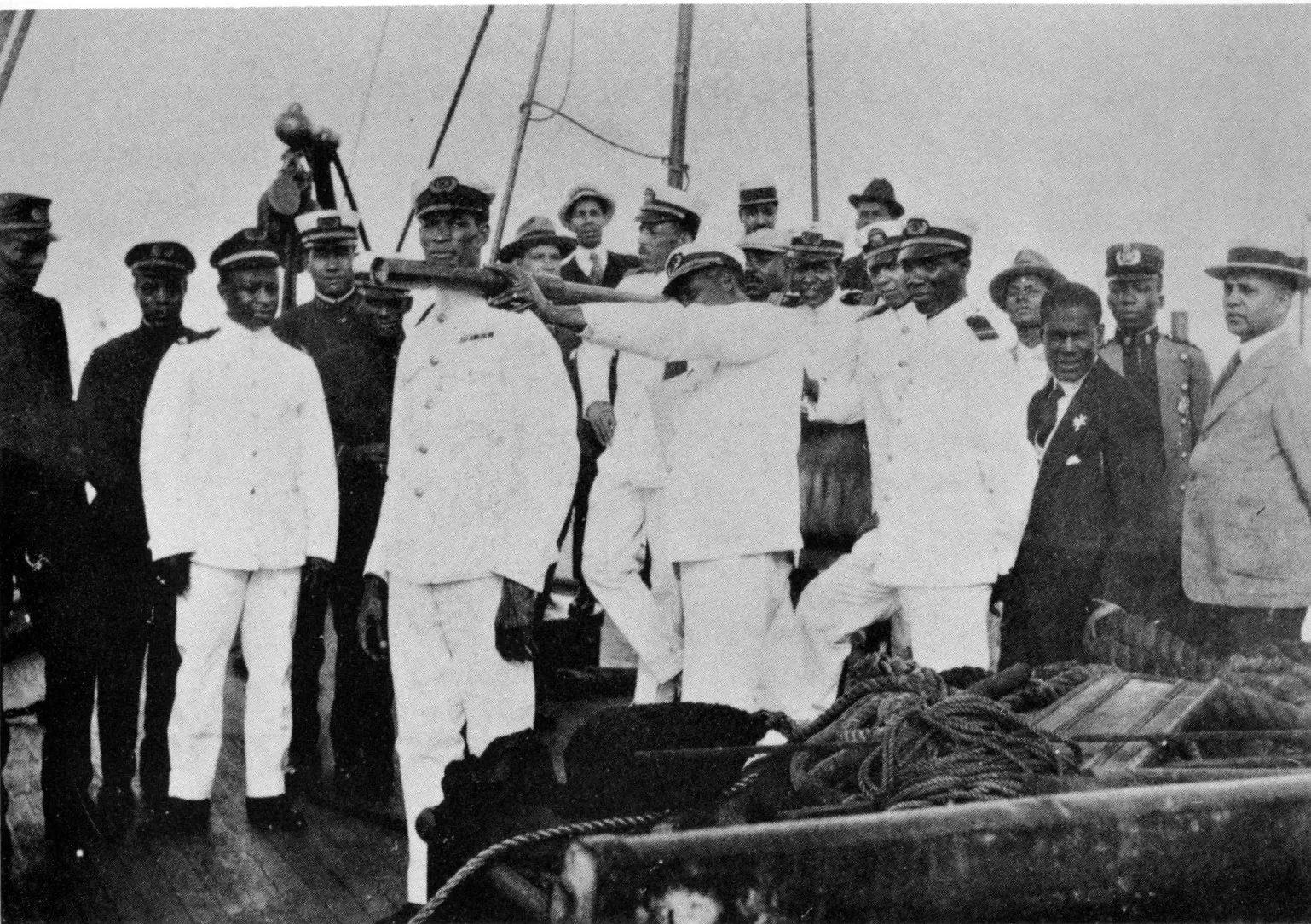
1920–1922
Black Star Line and Economic Self-Determination Campaigns

Following the wave of racial massacres across the United States in 1919, Pan-African organizing intensified as Black communities sought collective protection and international solidarity. These conditions radicalized organizers, shifting strategies from appeals to integration toward mass self-defense, nationalism, and global resistance frameworks.

1923
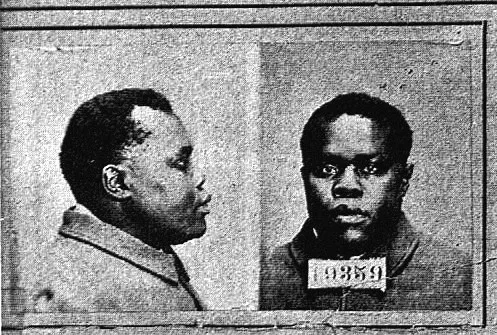
Garvey’s Arrest and Political Repression of Pan-African Movements

The U.S. government targeted Marcus Garvey through mail fraud charges, imprisoning and later deporting him. This repression revealed how seriously the state viewed Black international organizing as a threat. Rather than ending the movement, it decentralized Pan-African thought and spread it further across the Caribbean and Africa.

1927-1930
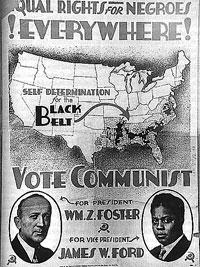
Rise of Black Communist and Anti-Imperialist Organizing

African American radicals increasingly aligned with socialist and communist movements, linking racial oppression to capitalist exploitation. Organizations and newspapers connected labor struggles, colonial liberation, and anti-racist politics. This period laid the ideological foundation for Black Marxism and later liberation movements.

1935
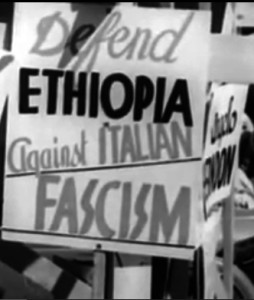
Italian Invasion of Ethiopia

Fascist Italy’s invasion of Ethiopia triggered worldwide Black mobilization, protests, fundraising campaigns, and volunteer movements. Ethiopia’s defense became a unifying anti-imperialist cause, radicalizing thousands and exposing the hypocrisy of Western “democracy” that allowed colonial violence to continue unchecked.

ICONS

Marcus Garvey

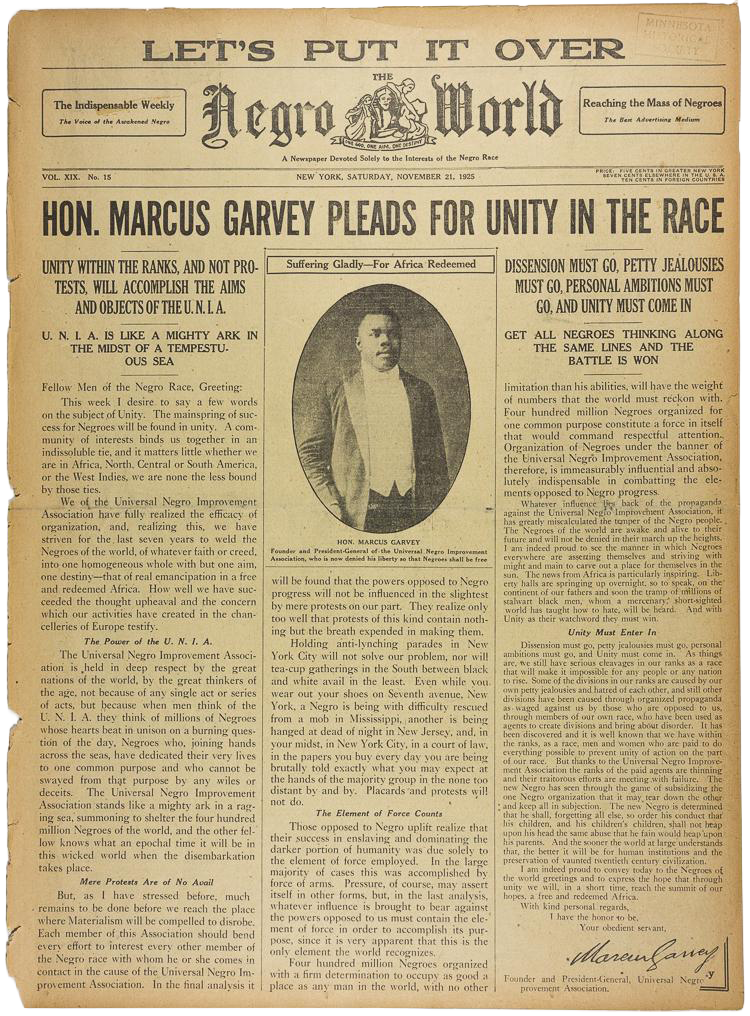
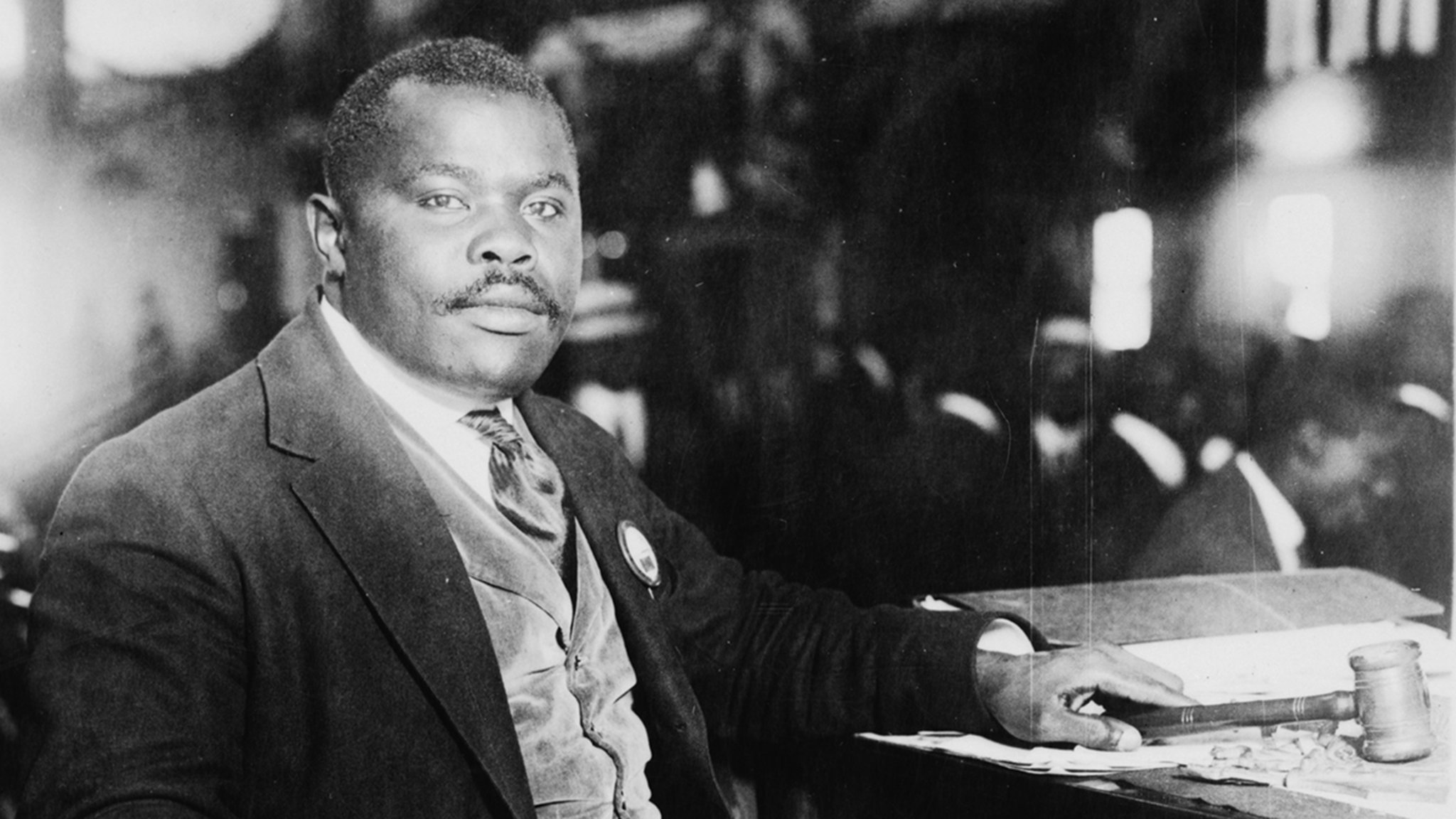
Garvey built the largest mass Black political movement of the early 20th century through the Universal Negro Improvement Association, organizing millions across Africa, the Caribbean, and the Americas. He promoted Black self-determination, economic independence, and global African unity at a time of intense racial violence and colonial domination. Despite state repression, imprisonment, and deportation, Garvey’s movement reshaped Black political consciousness and laid the ideological foundation for later Black nationalist and liberation movements worldwide.

Amy Ashwood Garvey

A co-founder of the UNIA and a major Pan-African organizer, Amy Ashwood Garvey helped establish international networks connecting Black activists across the diaspora. She organized conferences, political education spaces, and women-led organizing hubs in London and the Caribbean. Her work centered Black women’s leadership in global liberation struggles and expanded Pan-Africanism beyond U.S.-centered narratives.
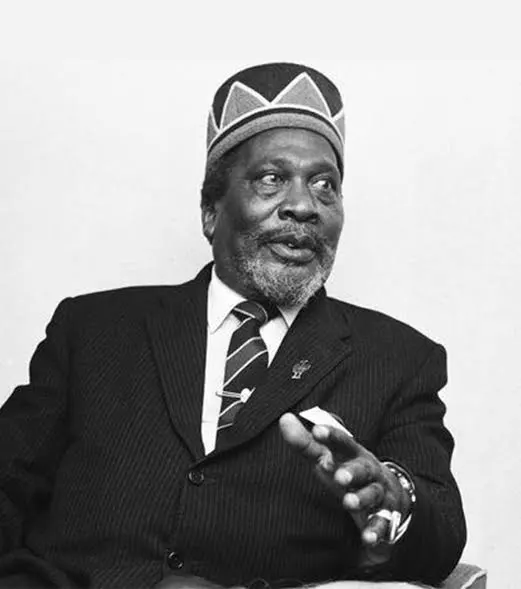
Jomo Kenyatta

Following the wave of racial massacres across the United States in 1919, Pan-African organizing intensified as Black communities sought collective protection and international solidarity. These conditions radicalized organizers, shifting strategies from appeals to integration toward mass self-defense, nationalism, and global resistance frameworks.

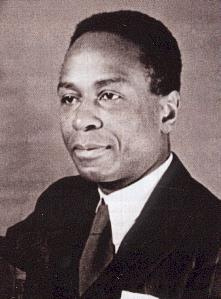
George Padmore

Padmore was a key strategist linking African anti-colonial movements with diaspora organizing. He helped build transnational networks supporting labor movements, independence struggles, and political education. By rejecting colonial compromise politics, Padmore helped shift Pan-Africanism from symbolic unity toward coordinated revolutionary action.

Aimé Césaire

Césaire was a central intellectual force behind the Negritude movement, which emerged in the 1930s as a cultural and political response to colonial racism and assimilation. Through poetry, theory, and political organizing, he reframed Black identity as a source of revolutionary pride and resistance. His work connected culture to liberation politics, influencing African independence leaders, Pan-African thinkers, and Black radical movements worldwide. Césaire helped prove that decolonization was not only territorial but psychological and cultural.

ARTIFACTS
view artifacts now

Bronze African Redemption Medal of the Universal Negro Improvement Association

Universal Negro Improvement Association

bronze and leather

Pan-Africanism (1910s–1930s)