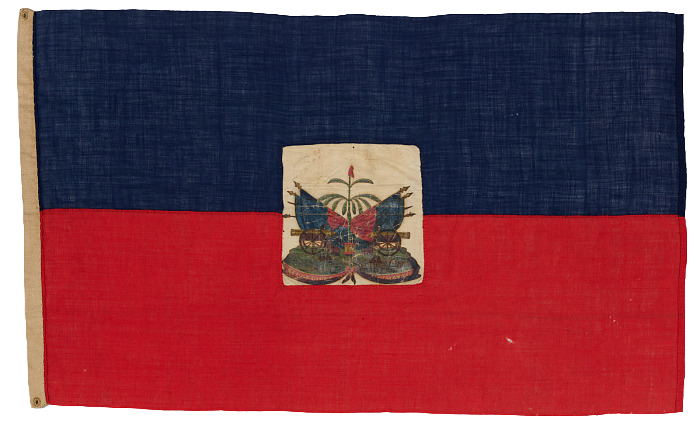
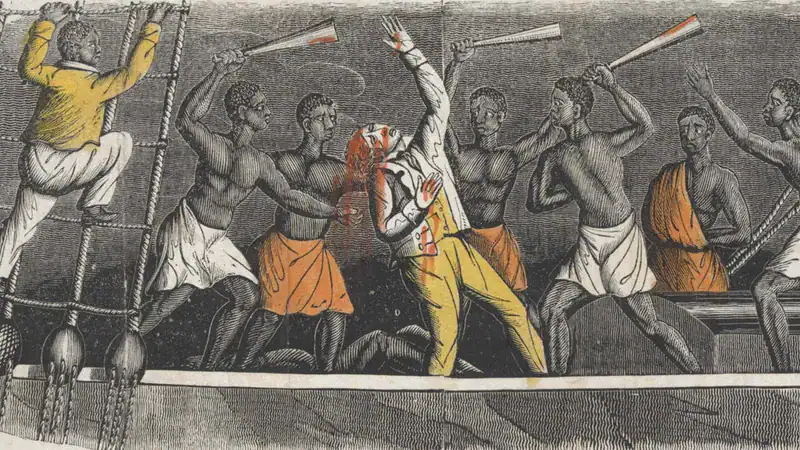
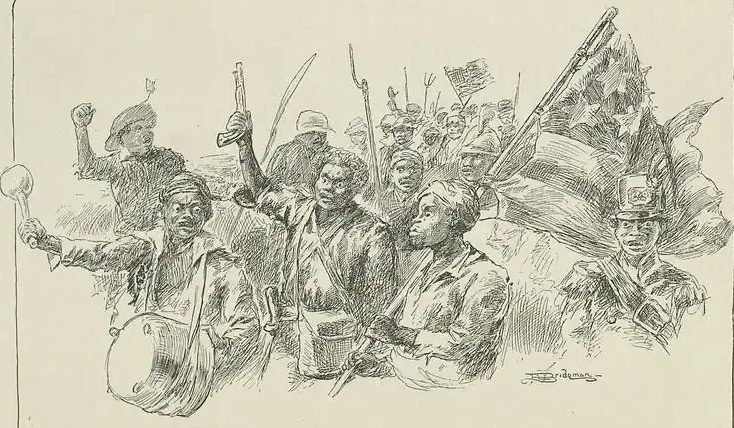
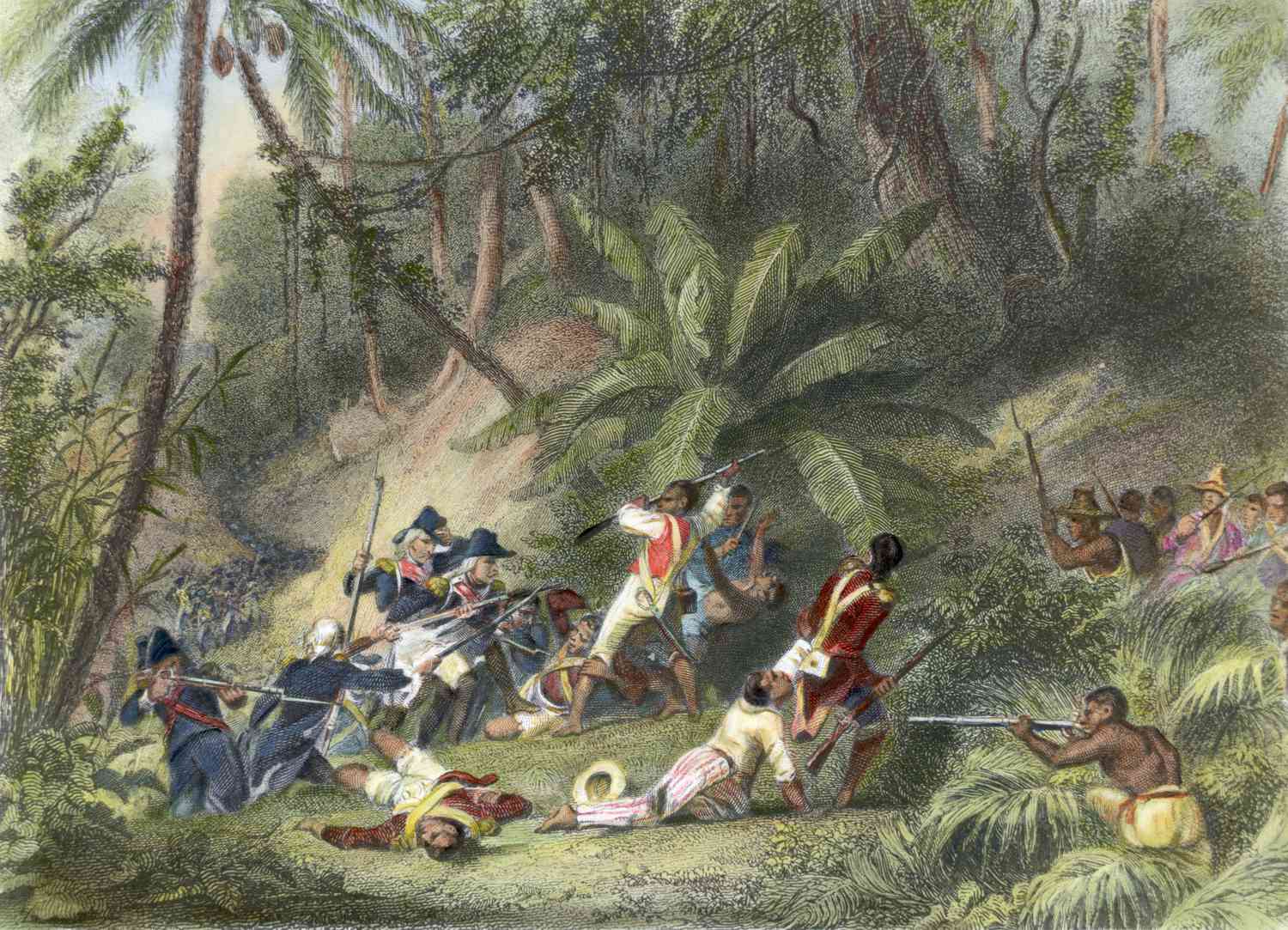
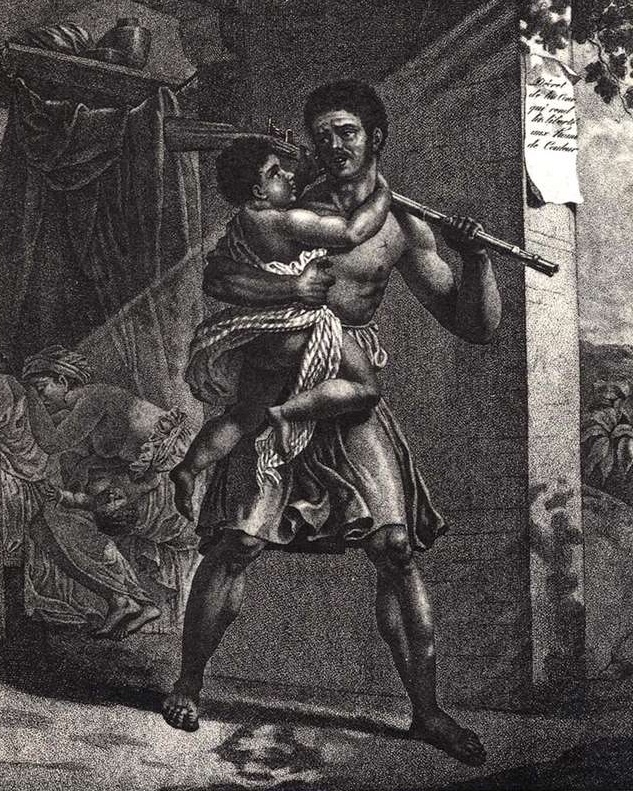
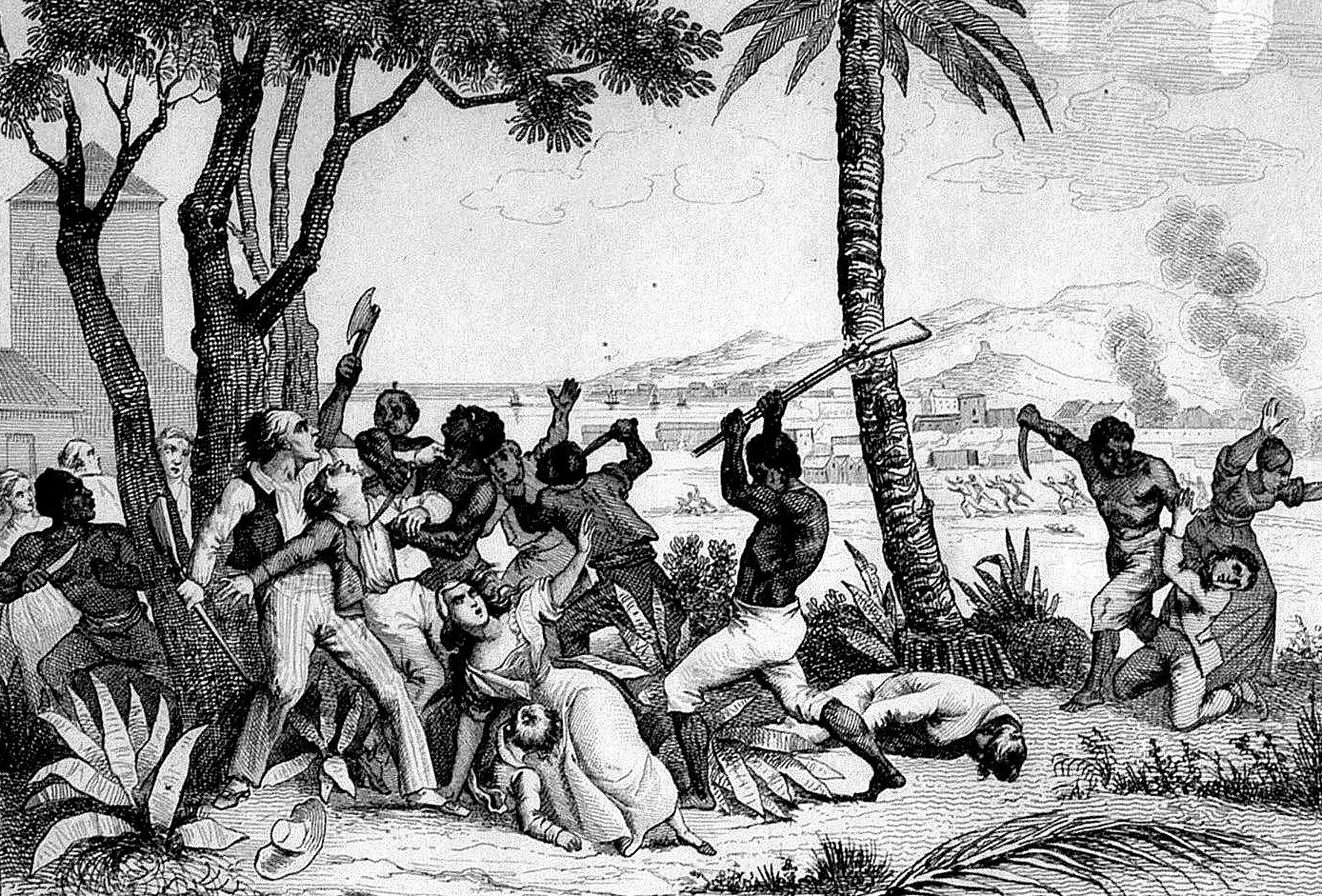
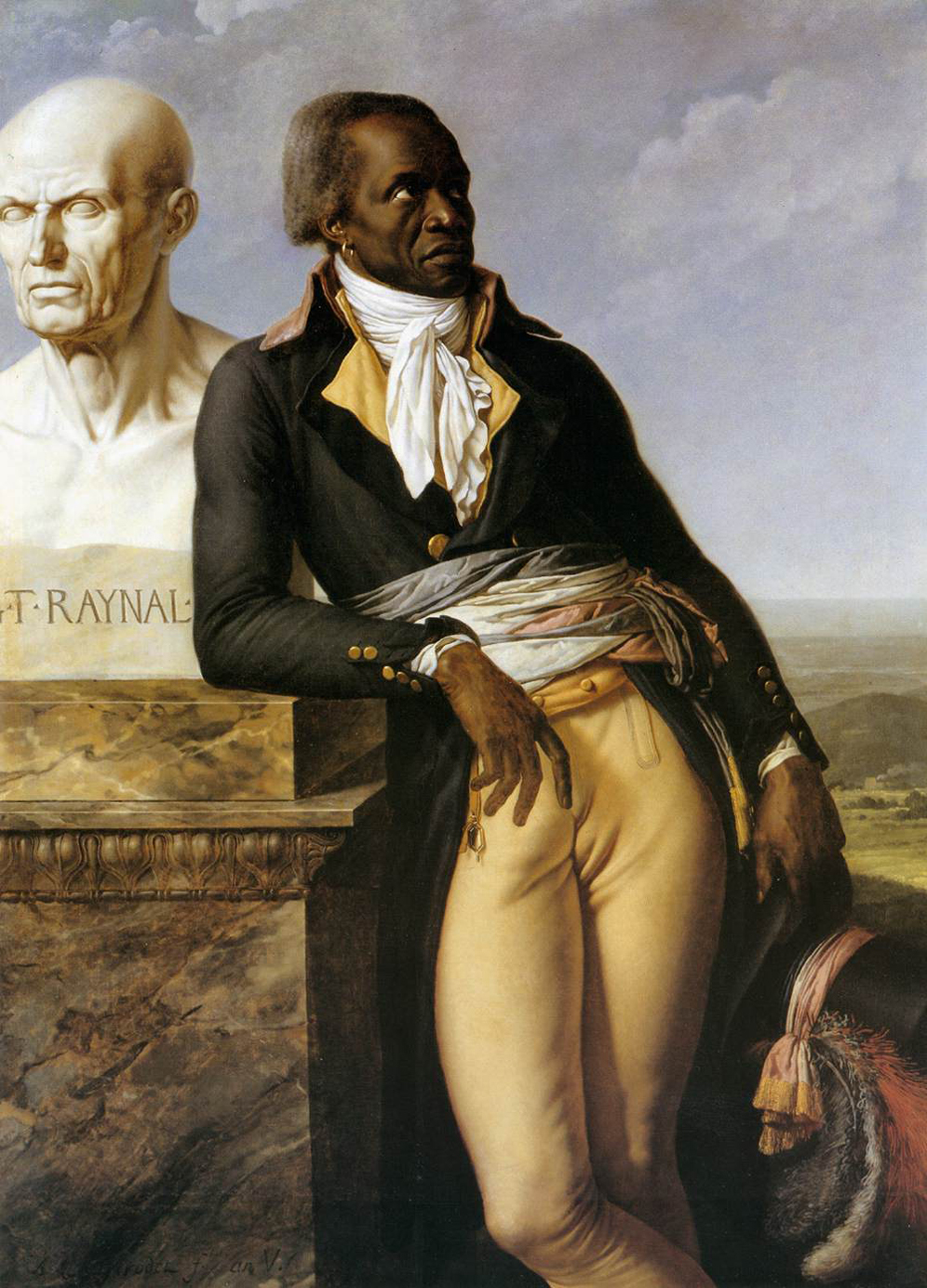
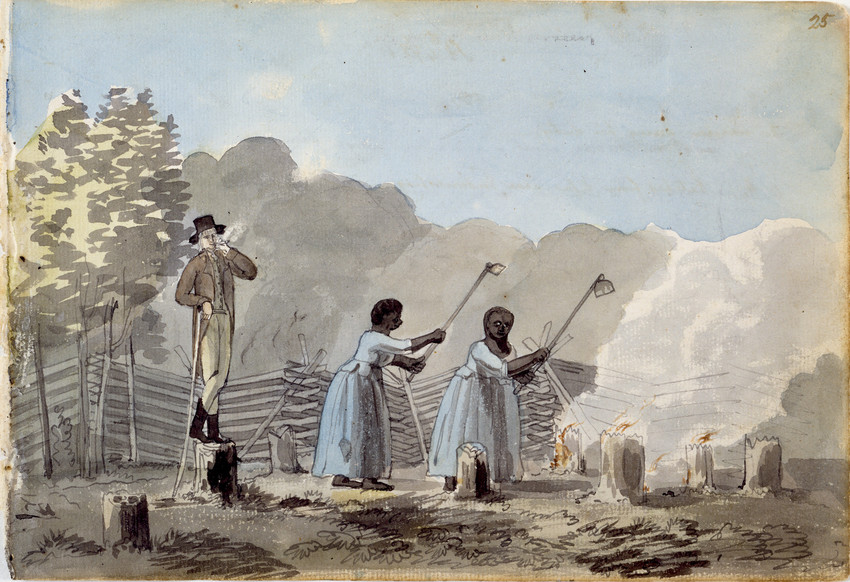
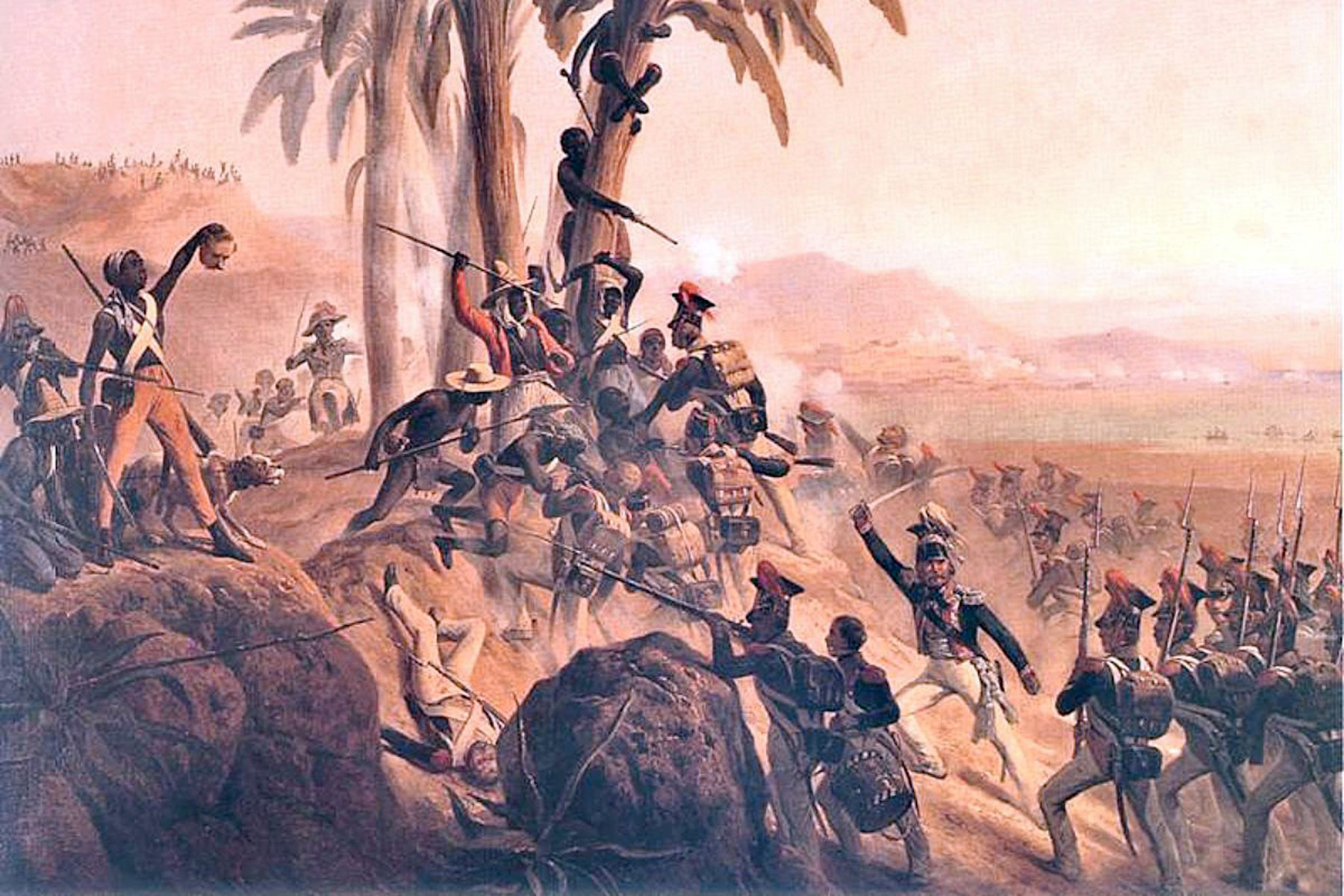
The Haitian Revolution was the first successful Black-led revolt against slavery and colonial rule. Enslaved people overthrew the French Empire and built the first Black republic, creating a model of freedom and self-determination that challenged the world. This chapter explores the revolution’s leaders, strategies, and global impact, showing how Haiti set the foundation for the Black radical tradition.‍

Timeline

1791
Bois Caïman Ceremony and Coordinated Slave Uprising (Saint-Domingue)

Enslaved Africans launched a mass uprising that destroyed plantation infrastructure and overturned colonial authority in northern Saint-Domingue. This moment transformed scattered resistance into organized revolution and sent shockwaves through slaveholding societies, proving that large-scale Black revolt was possible.

1794
France Abolishes Slavery Across Its Empire

The Haitian Revolution compelled France to abolish slavery throughout its colonies. This victory redefined the global balance of power and established Black liberation as a force capable of reshaping European policy.

1800
Gabriel Prosser’s Rebellion Planned (Virginia, USA)

Inspired by Haiti and revolutionary rhetoric, Gabriel Prosser organized a massive enslaved uprising aimed at capturing Richmond. Although the revolt was suppressed, it exposed how Haitian victory fueled revolutionary imagination among enslaved people in the United States.

1802
Napoleon Attempts to Restore Slavery and Reclaim Haiti

France sent a massive military expedition to reimpose colonial rule and slavery. Haitian forces responded with guerilla warfare and mass mobilization, defeating one of the world’s most powerful empires and proving the durability of revolutionary organizing.

1804
Haiti Declares Independence and Reshapes the Atlantic World

Haiti became the first Black republic and the only nation formed from a successful slave revolution. Its victory inspired global abolitionist movements, intensified repression in slaveholding states, and permanently altered how freedom, sovereignty, and Black political power were imagined.

1793
Revolutionary Forces Abolish Slavery in Saint-Domingue

Facing military pressure from Black revolutionary armies, French colonial authorities abolished slavery in the colony. This unprecedented act demonstrated that enslaved people could force imperial powers to dismantle chattel slavery through organized resistance.

1798
Toussaint Louverture Consolidates Power and Governs the Colony

Toussaint Louverture stabilized the revolutionary territory by organizing labor systems, rebuilding agriculture, and defending against foreign invasion. His leadership challenged racist assumptions about governance and demonstrated Black political and military capacity on a global stage.

1801
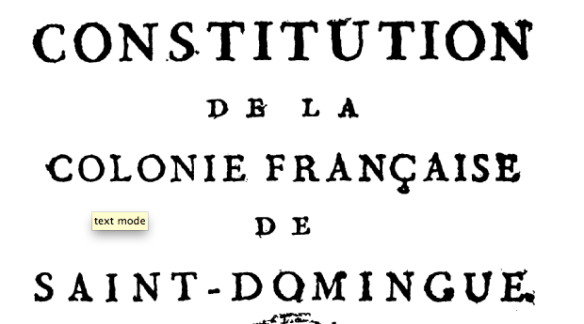
Haitian Constitution Declares Permanent Abolition

Louverture issued a constitution permanently banning slavery and asserting political autonomy. This legal framework established Haiti as a revolutionary state rather than a temporary rebellion, signaling long-term Black sovereignty.

1803
Denmark Vesey Begins Organizing Rebellion (South Carolina, USA)

Inspired by Haiti’s example, Vesey organized a large-scale revolt among enslaved and free Black people in Charleston. Though later suppressed, the planning demonstrated how Haiti directly shaped resistance strategies across the US South.

ICONS

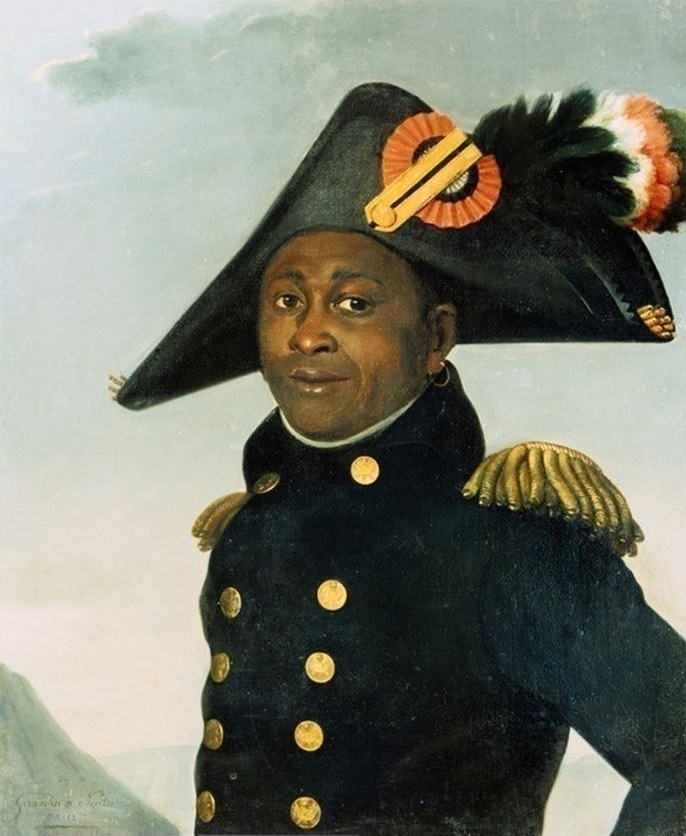
Toussaint Louverture

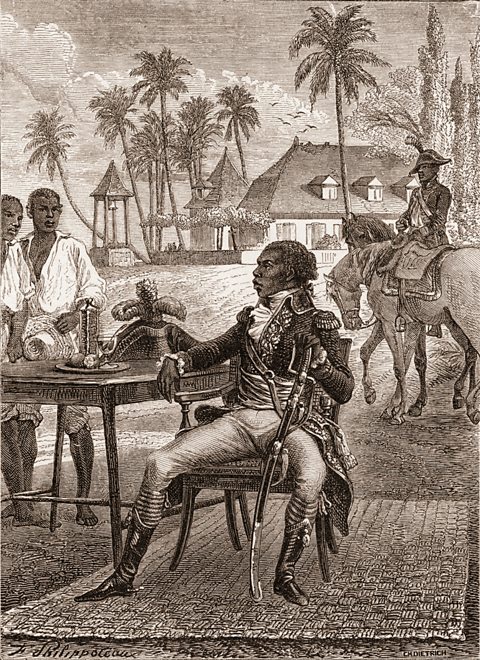
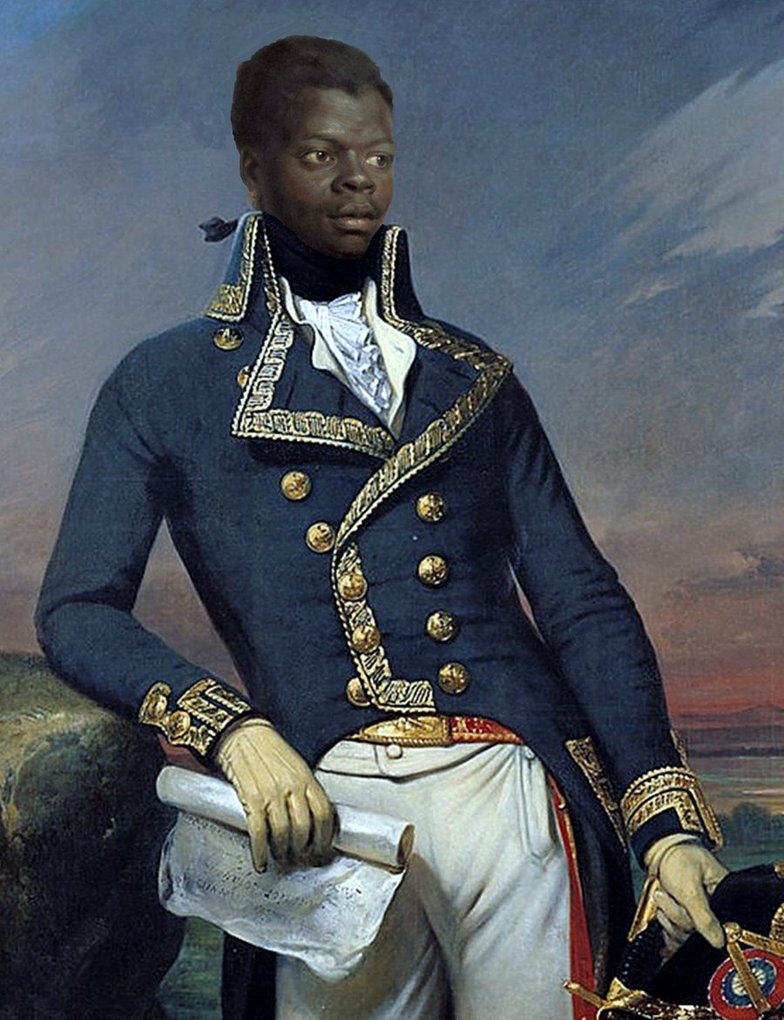
Toussaint Louverture was a revolutionary leader and military strategist of the Haitian Revolution. Born into slavery, he rose to become the commander of the revolutionary army that defeated European colonial forces. Louverture helped abolish slavery in the French colony of Saint-Domingue and laid the groundwork for Haitian independence. His leadership demonstrated that enslaved people could organize, govern, and challenge global empire.

Gabriel Prosser

Gabriel Prosser was an enslaved Blacksmith and revolutionary organizer who planned a large-scale rebellion against slavery in Virginia. Inspired by the Haitian Revolution, Prosser sought to unite enslaved and free Black people to overthrow the plantation system. Although the uprising was betrayed and ultimately suppressed, his organizing efforts exposed the deep fear of Black revolt in the United States and helped shape the radical tradition of resistance.
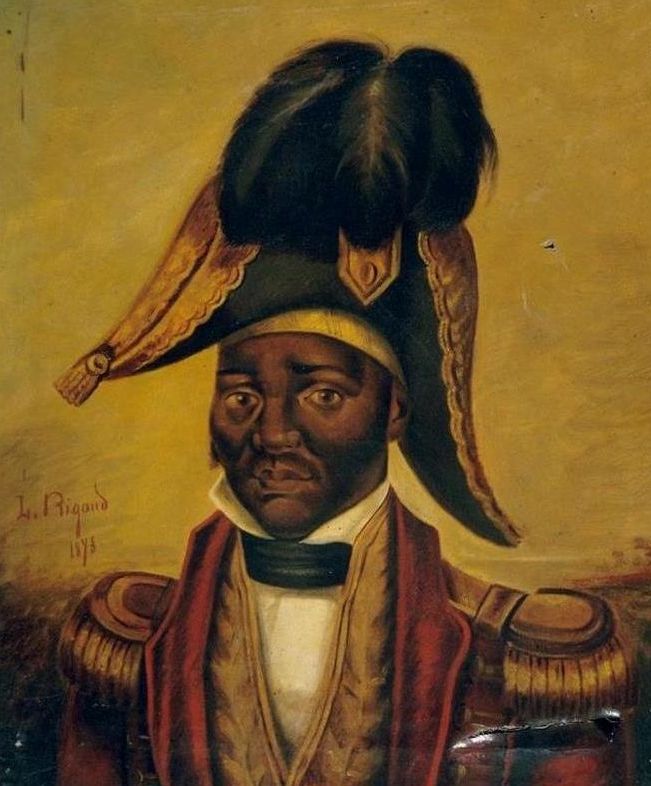
Jean-Jacques Dessalines

The Haitian Revolution compelled France to abolish slavery throughout its colonies. This victory redefined the global balance of power and established Black liberation as a force capable of reshaping European policy.

Denmark Vesey

Denmark Vesey was a formerly enslaved organizer who planned a large-scale rebellion against slavery in Charleston, South Carolina. Influenced by the Haitian Revolution, Vesey worked to mobilize thousands of enslaved people to overthrow the plantation system and seize freedom. Although the uprising was uncovered and violently suppressed, his efforts revealed the deep fear of Black resistance in the United States and strengthened the legacy of organized revolt within the Black radical tradition.
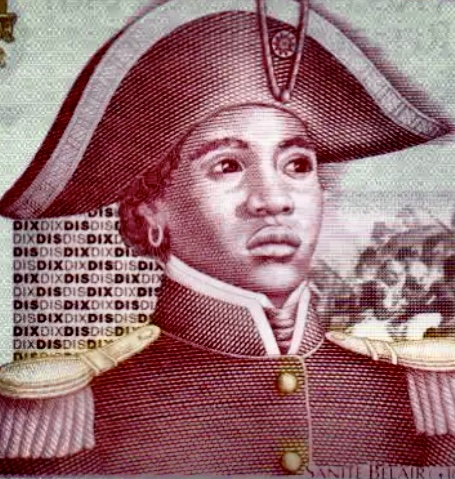
Sanité Bélair

Sanité Bélair was a revolutionary officer in the Haitian Revolution and a symbol of women’s leadership in the fight for liberation. Formerly enslaved, she served as a lieutenant in the revolutionary army and led troops against French colonial forces. Captured by the French, Bélair refused to submit and was executed for her role in the revolution. Her resistance represents the central role of Black women in shaping the Black radical tradition.

ARTIFACTS
view artifacts now

The Interesting Narrative of the Life of Olaudah Equiano, or Gustavus Vassa, the African

Olaudah Equiano

ink on paper, leather

Haiti: The Blueprint (1791–1804)