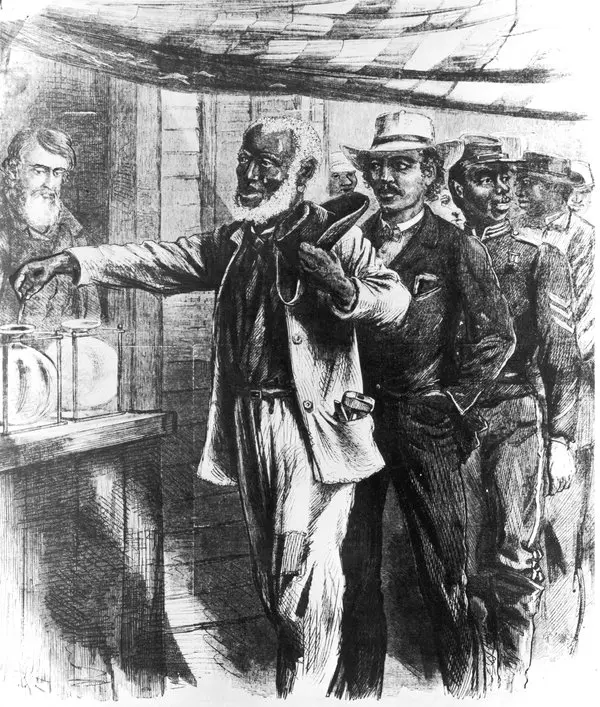
1960
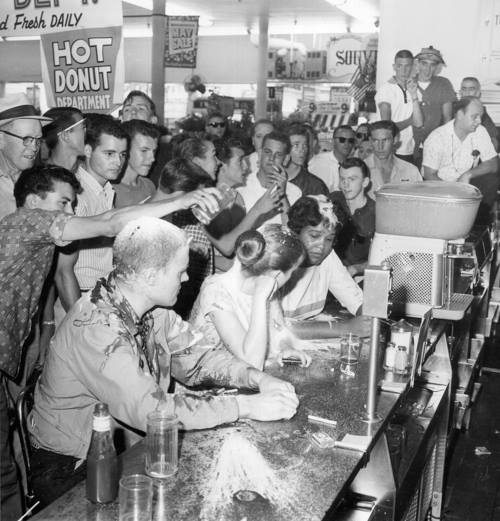
Sit-In Movement Disrupts Segregated Commerce
Black students launched coordinated sit-ins at segregated lunch counters across the South, directly challenging businesses that profited from racial exclusion. By occupying these commercial spaces and refusing to leave, they pressured companies to choose between maintaining racist policies or facing economic loss and public backlash.
1963
Birmingham Mass Protests Trigger Economic and Political Crisis
Sustained demonstrations disrupted downtown business districts and provoked brutal police responses. The economic strain on local merchants combined with national outrage weakened segregationist leadership and forced negotiations, showing how street mobilization could destabilize city power structures.
1964
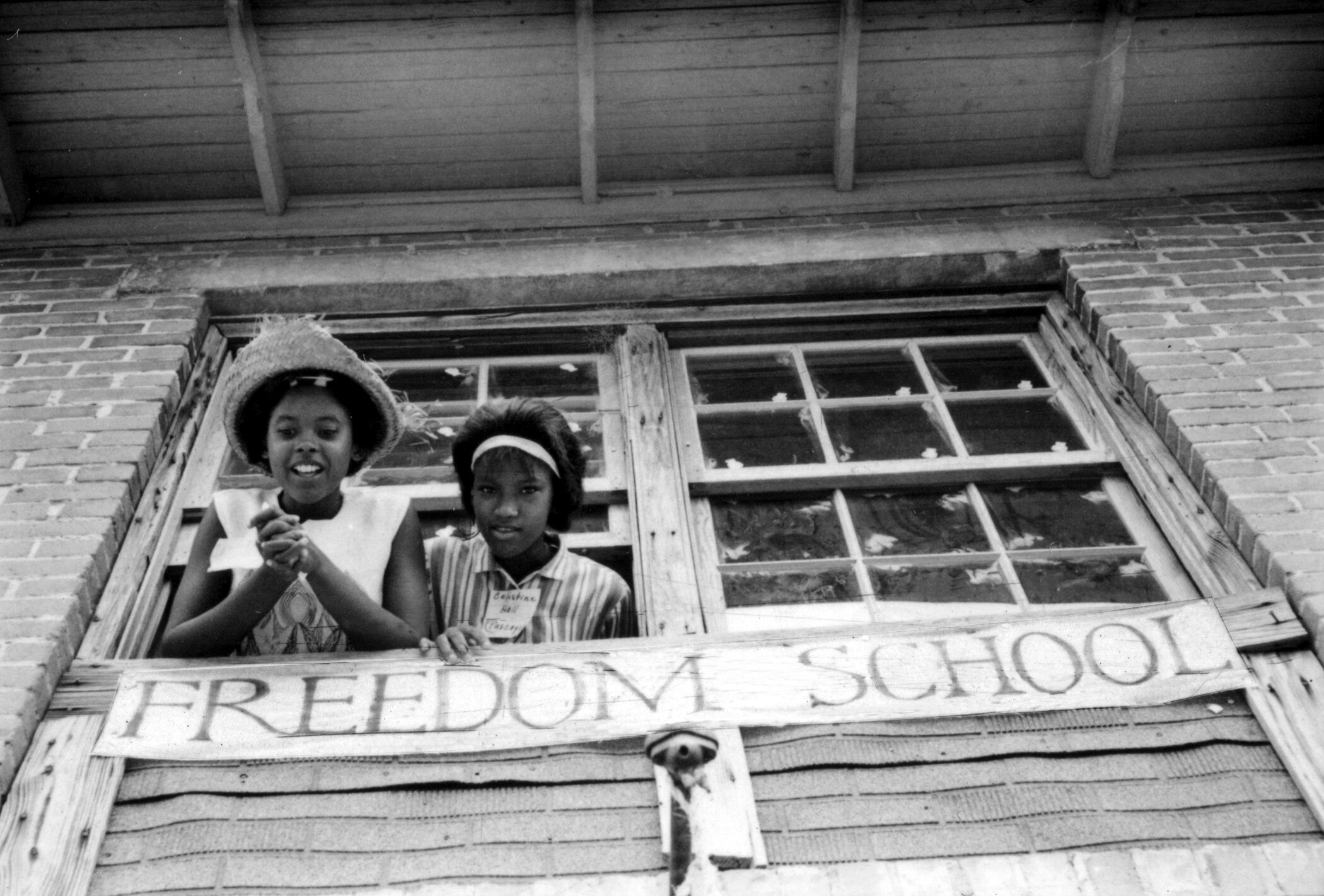
Freedom Summer Organizing Builds Parallel Institutions
Activists built alternative political infrastructure including Freedom Schools and community voter registration networks. Facing assassinations and state surveillance, organizers demonstrated that resistance required both street action and long-term movement-building.
1966
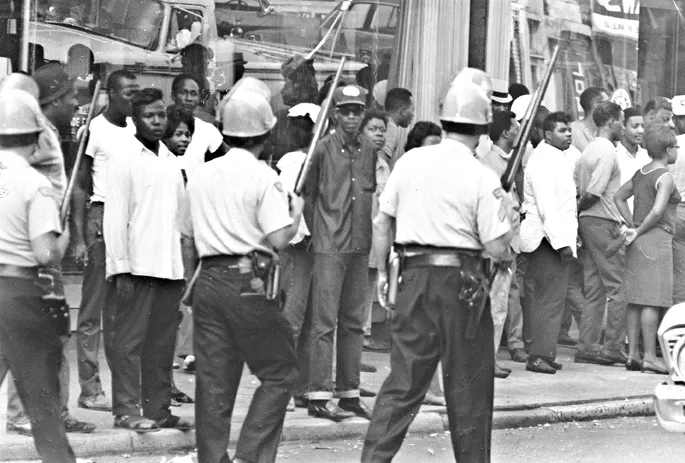
Urban Rebellions Erupt Nationwide
Widespread uprisings in cities such as Watts and Cleveland reflected accumulated rage over police violence, housing discrimination, and economic abandonment. These rebellions challenged the narrative of “peaceful progress” and forced the nation to confront structural inequality.
Late 1960s
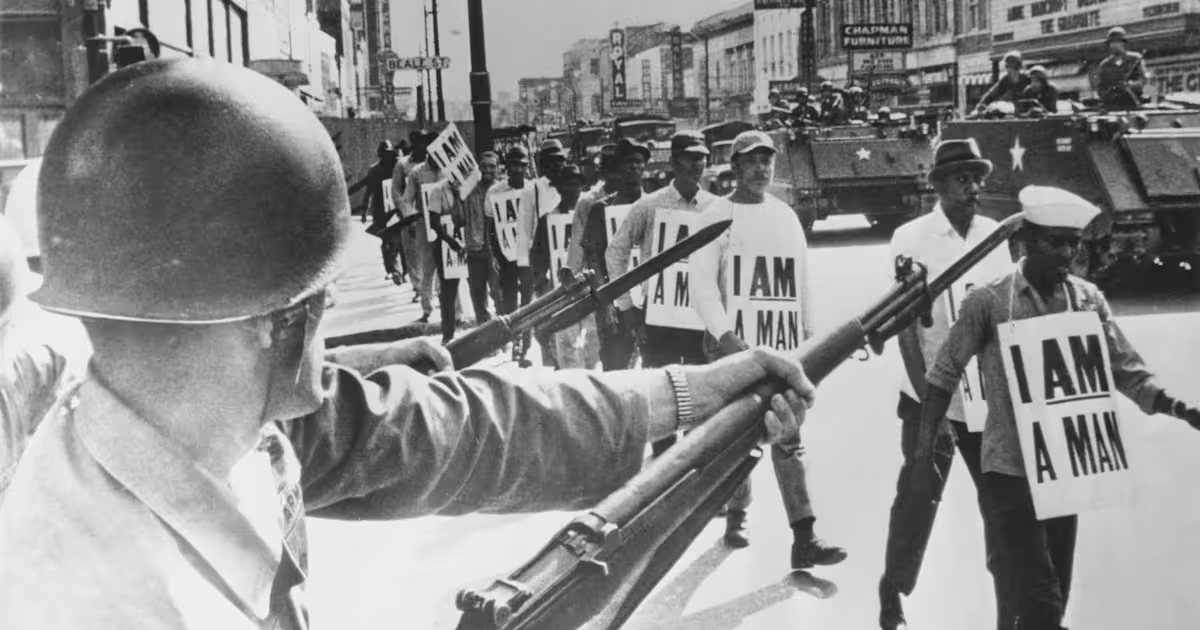
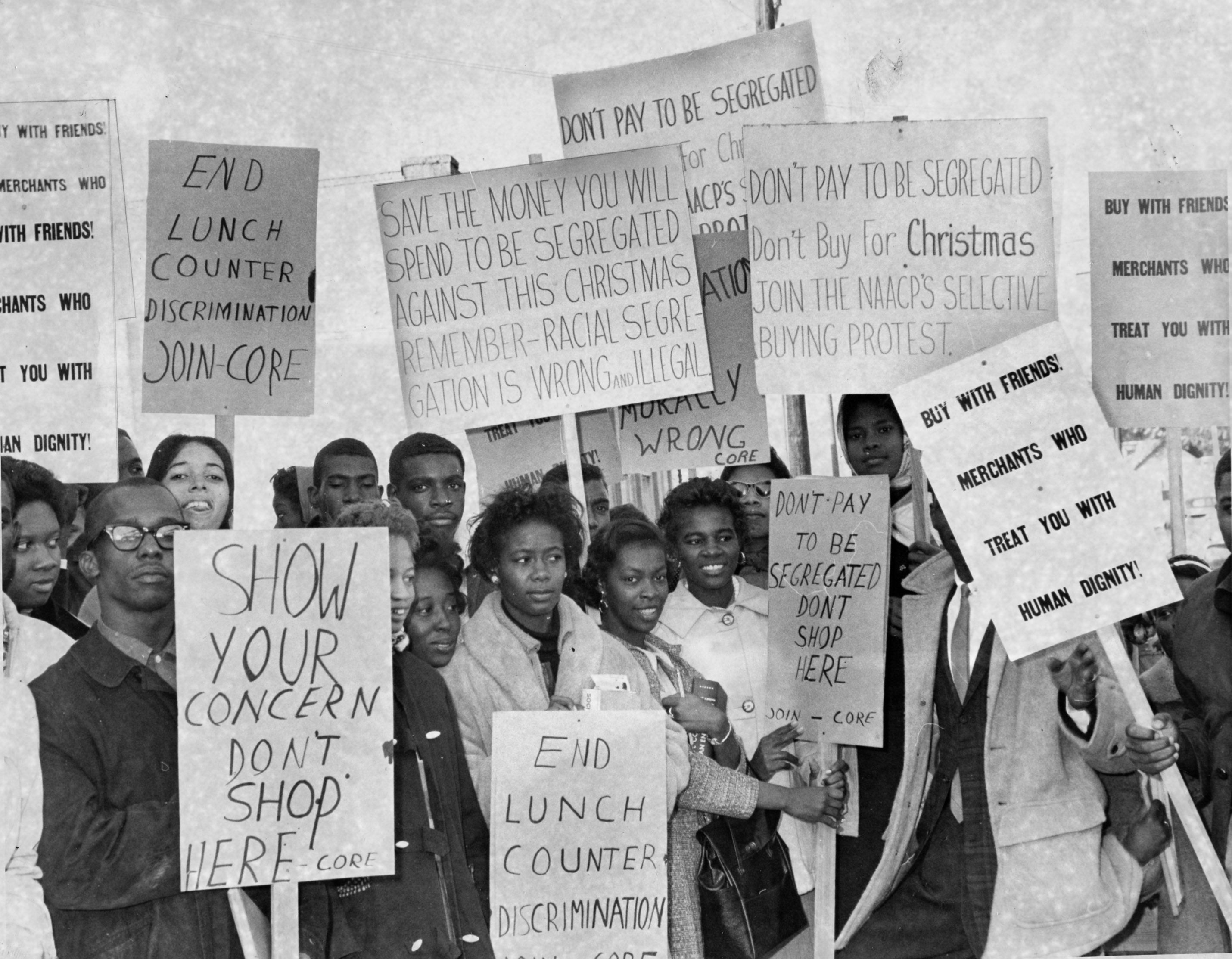
Sustained Economic Pressure Campaigns Expand Nationwide
Boycotts targeting segregated businesses, discriminatory employers, and exploitative industries spread across cities. These campaigns demonstrated that economic disruption was one of the movement’s most effective tools for forcing institutional change.
1961
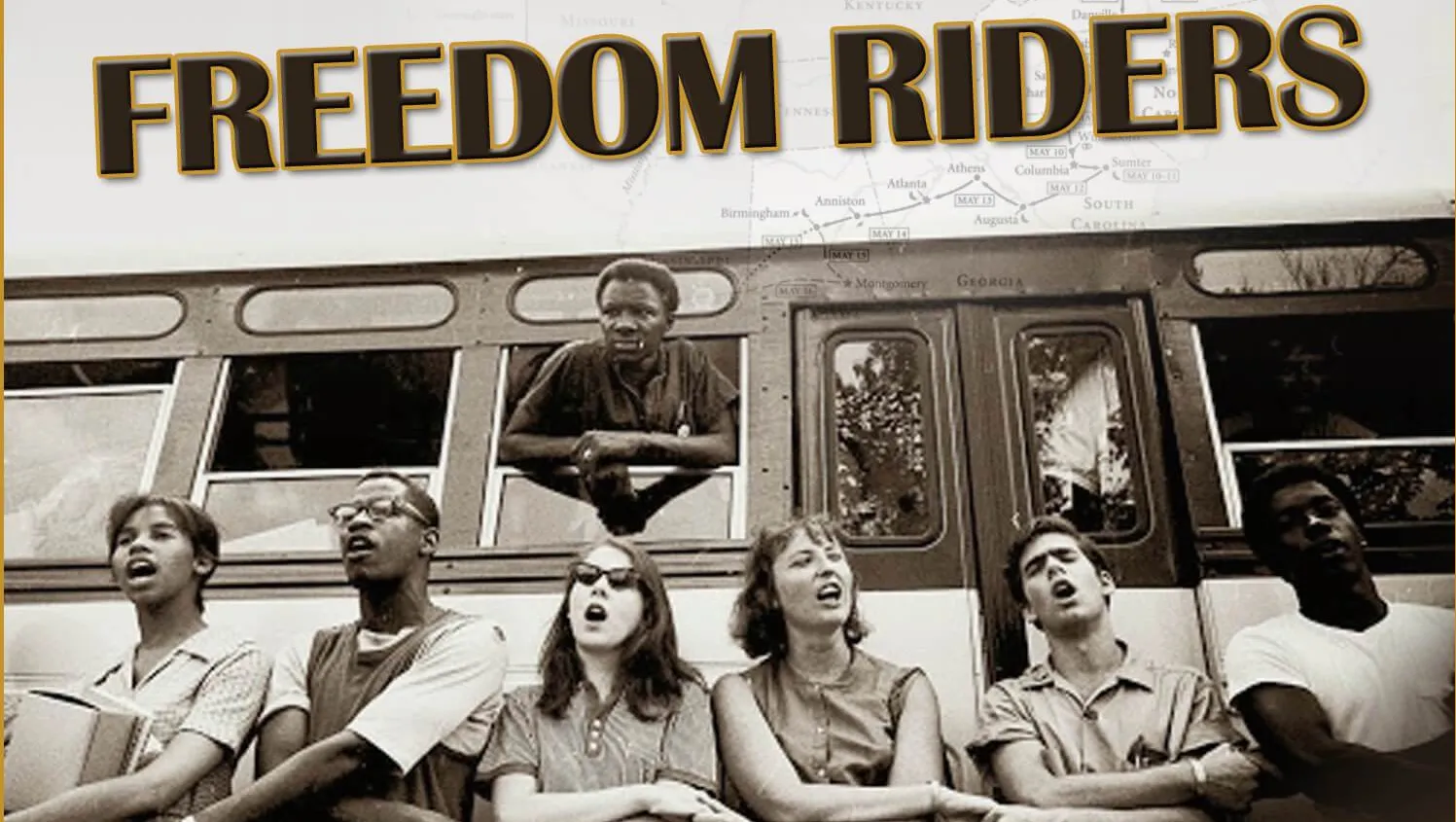
Freedom Rides Force Federal Enforcement
Integrated groups rode interstate buses into violently hostile Southern states to challenge illegal segregation. Mob attacks and police inaction exposed the federal government’s reluctance to protect Black citizens. Continued rides pressured federal agencies to enforce desegregation rulings and revealed how nonviolent confrontation could destabilize institutional complacency.
1963
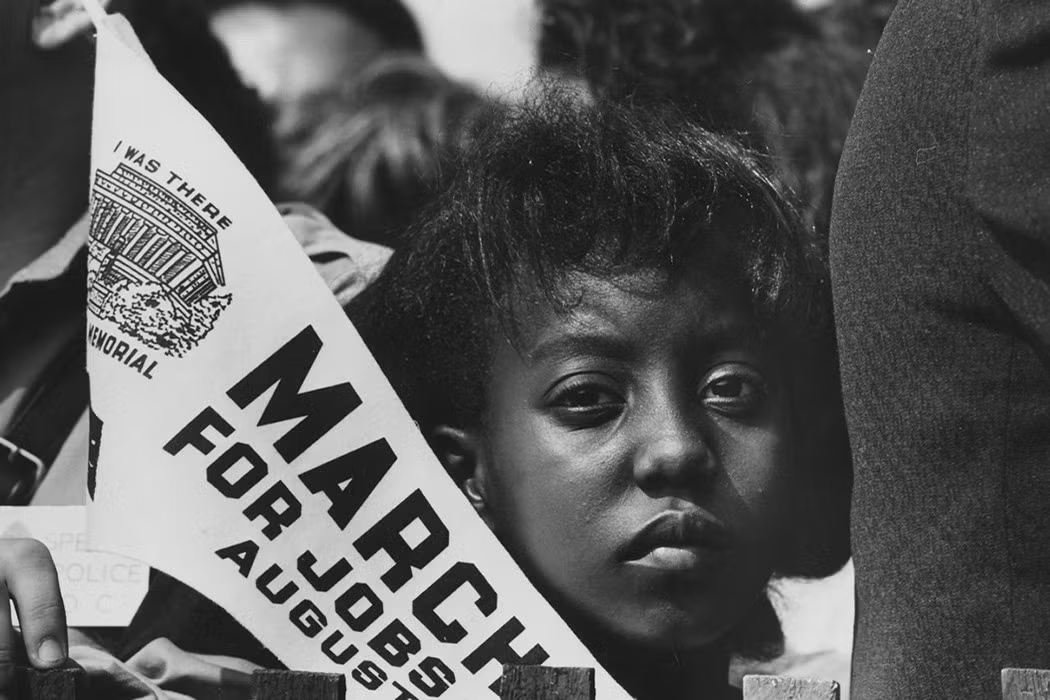
March on Washington Transforms Protest into National Pressure
Over 250,000 people mobilized to demand jobs and freedom, reframing civil rights as both racial and economic struggle. The scale of participation demonstrated mass political force and forced lawmakers to confront the growing legitimacy crisis surrounding segregation.
1965
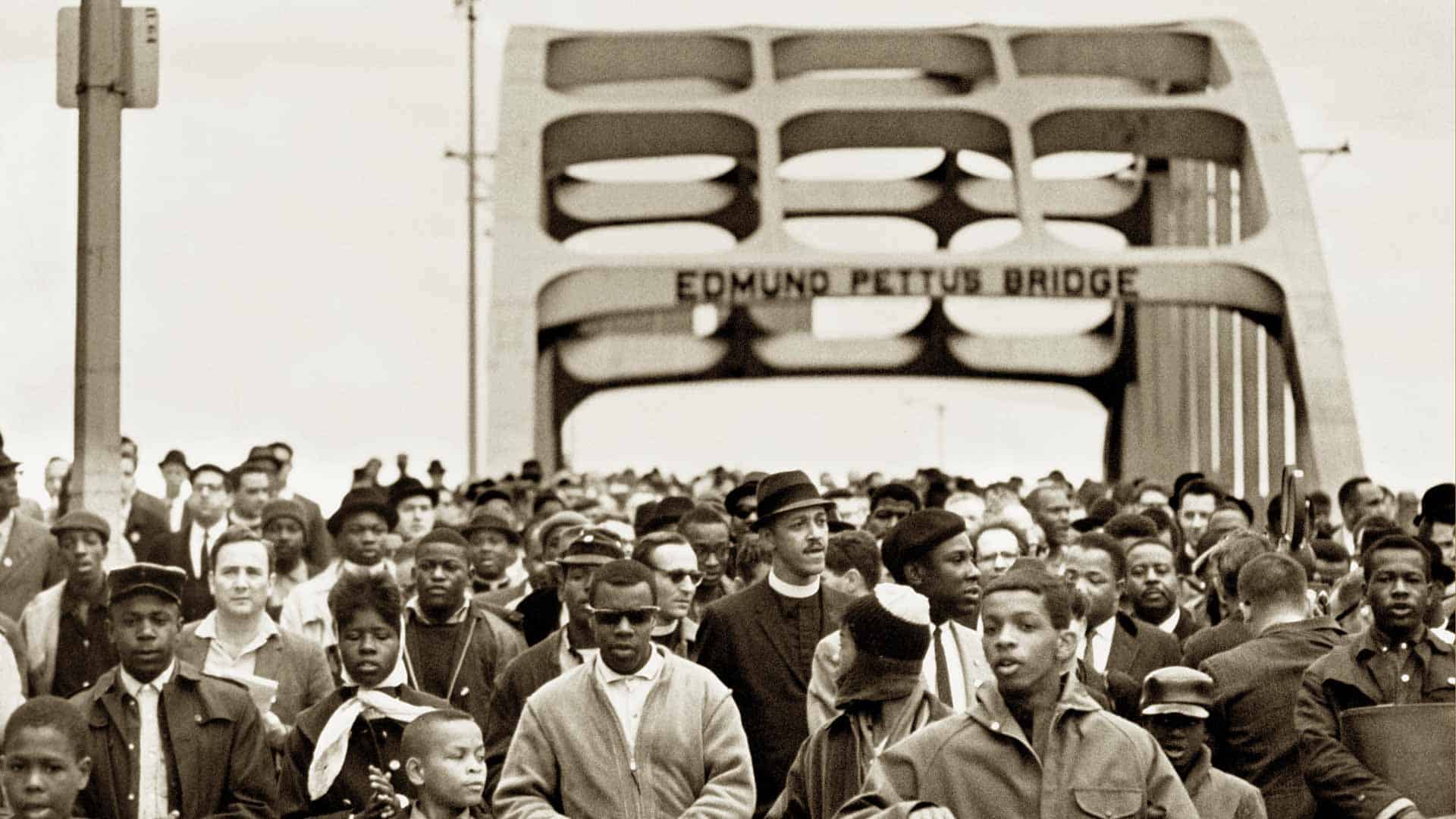
Selma Campaign Turns Voting Rights into a National Emergency
State violence against marchers exposed the brutal enforcement mechanisms behind voter suppression. Televised repression shifted public opinion and intensified national pressure, forcing the federal government to respond legislatively.
1967
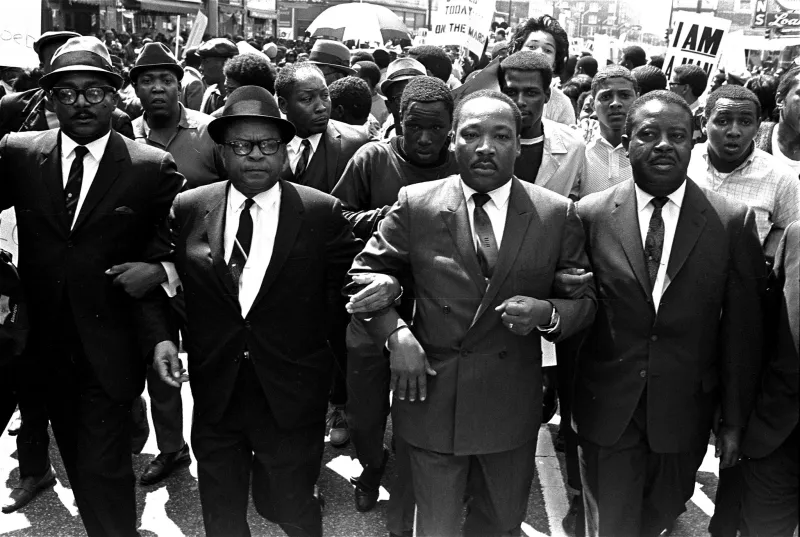
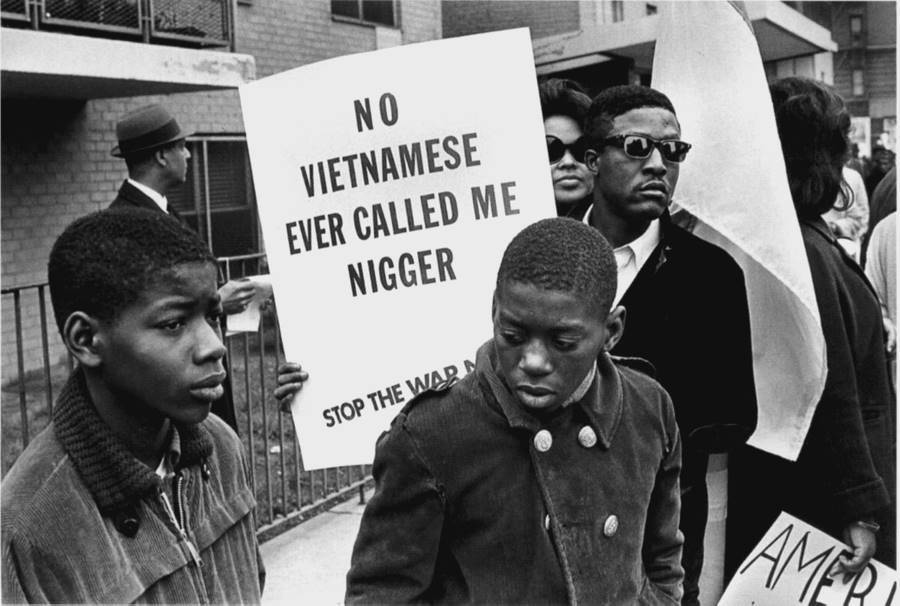
Anti-War and Civil Rights Movements Converge
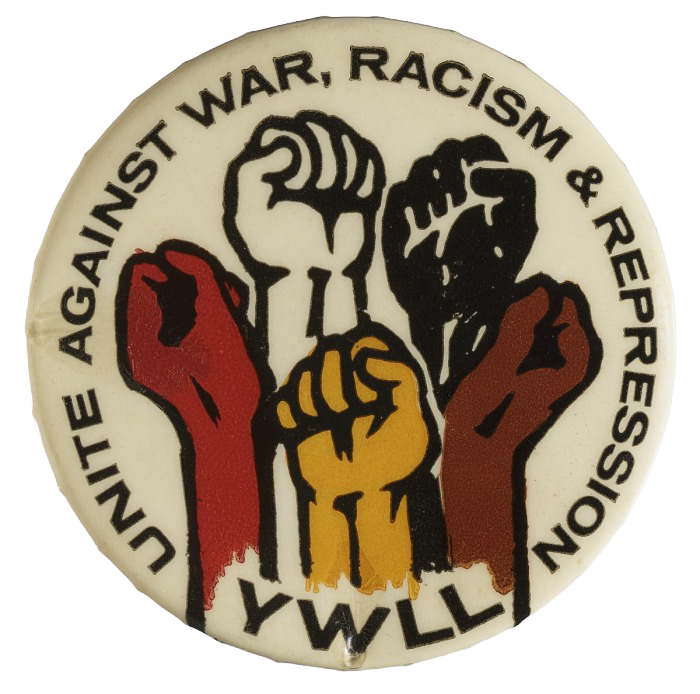
Mass protests linked racial oppression at home with imperial violence abroad. Activists framed civil rights as part of a global struggle against militarism and economic exploitation, expanding the movement’s political scope.
.svg)



.jpg)
%402x.svg)
%402x.svg)
.svg)


.svg)