Emerging in the late 19th and early 20th centuries, this era brought together thinkers and activists who analyzed Black oppression through the lens of capitalism. Moving beyond moral appeals or reformist politics, they argued that racial hierarchy and economic exploitation were inseparable. Unlike earlier anti-slavery or abolitionist movements, Black Marxist theory emphasized systemic critique and collective strategies, laying the intellectual foundation for revolutionary organizing.

Timeline

1964
Malcolm X Forms the Organization of Afro-American Unity (OAAU)

Malcolm reframes Black struggle as a human rights issue and builds international links with African and socialist nations, shifting the movement toward global anti-imperialism.

1967
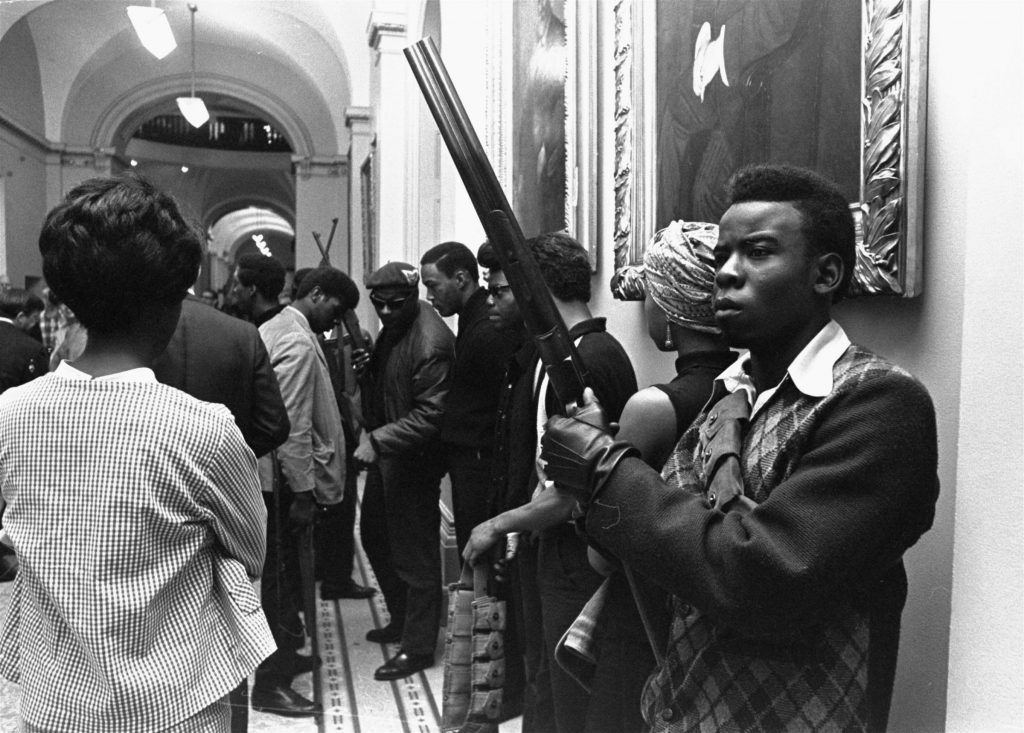
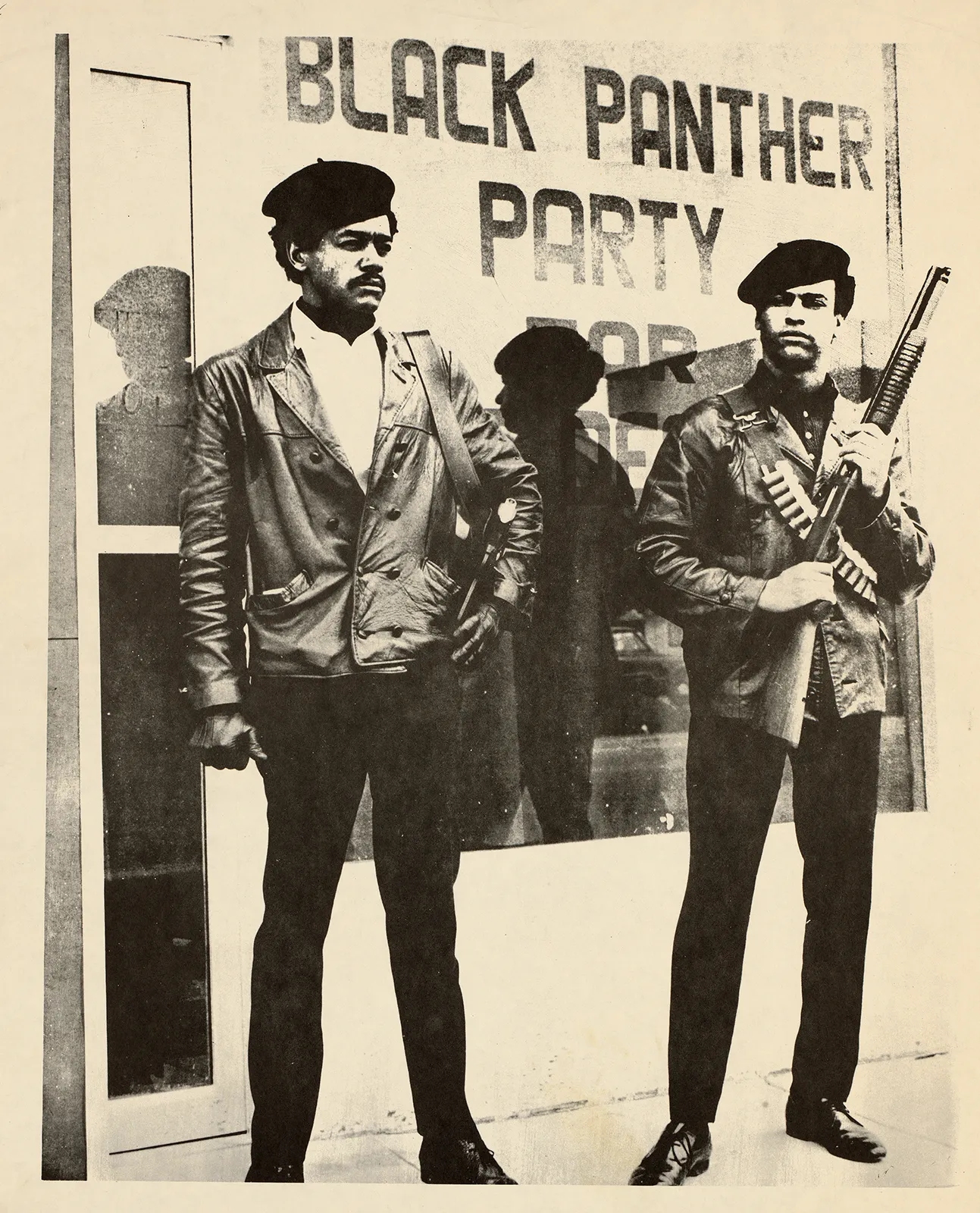
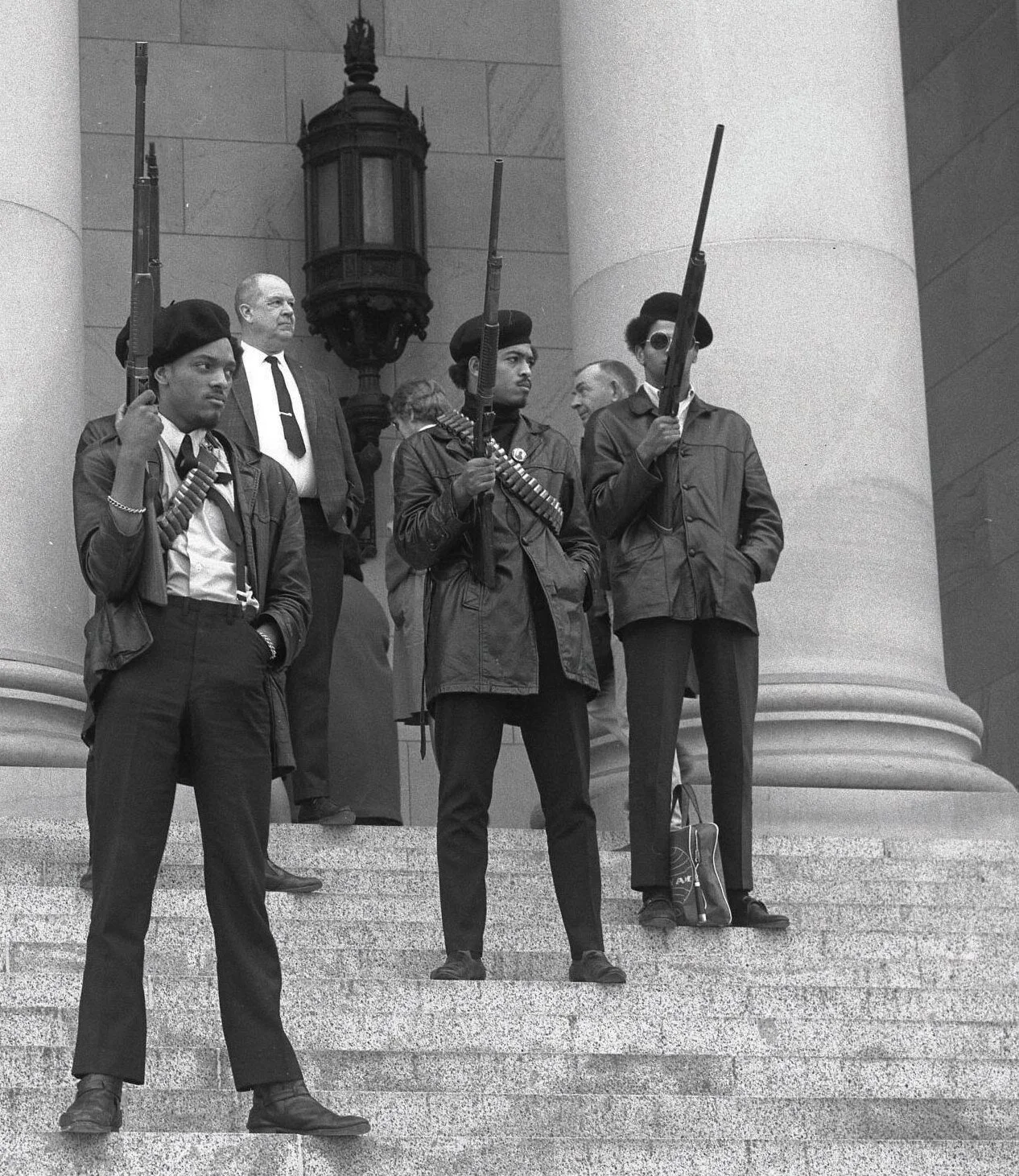
Armed March on the California State Capitol

Panthers openly carried firearms into the state capitol to protest gun control laws targeting Black communities. The action forced national media attention and exposed how gun rights and state power were racially enforced.

1968
Fred Hampton Builds the Rainbow Coalition (Chicago)

Fred Hampton expanded the Black liberation struggle by organizing multiracial working-class alliances that challenged racial division as a tool of control. His coalition-building showed the potential for solidarity across communities to confront capitalism and state power.

1969
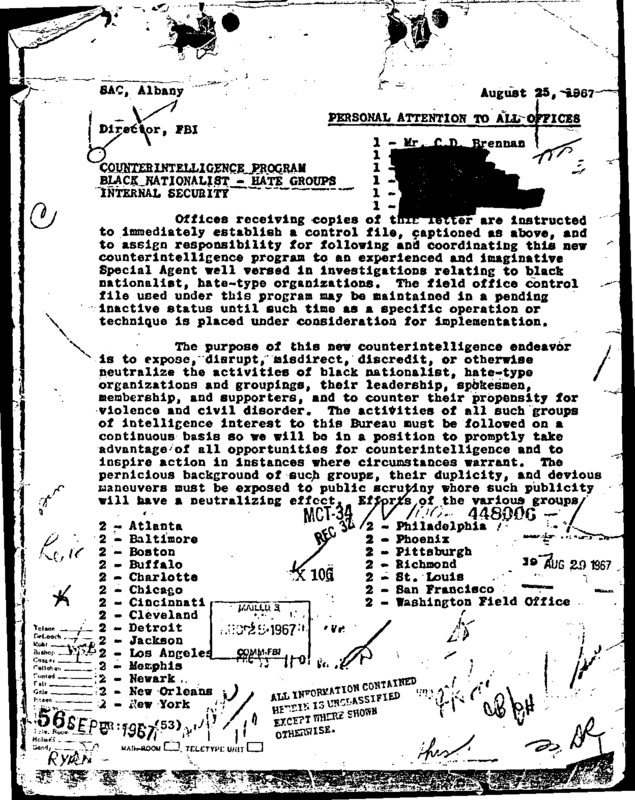
Panthers Confront State Power (Armed Protests and COINTELPRO)

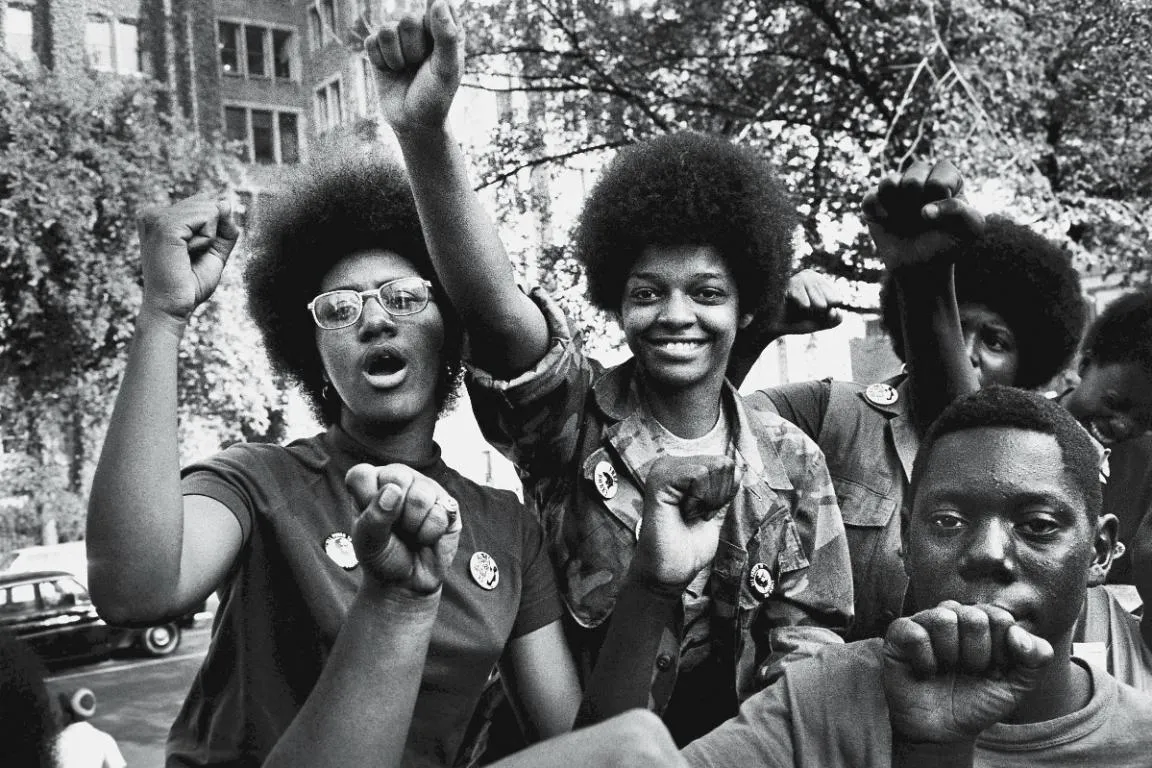
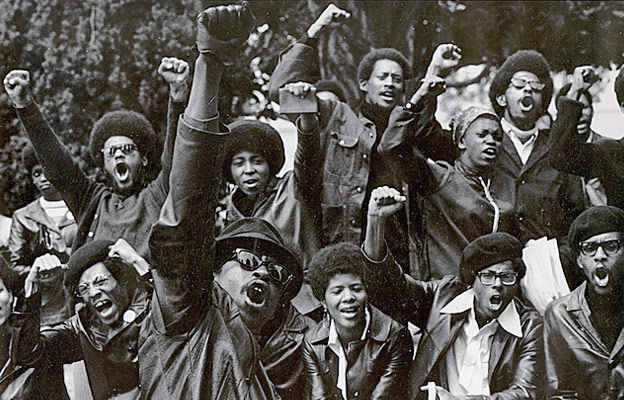
Through armed patrols, mass political education, and expansive survival programs, the Black Panther Party openly challenged state authority and exposed police violence as systemic repression. In response, the federal government launched coordinated surveillance, infiltration, and psychological warfare campaigns, marking the Panthers as a direct threat to the existing political order.

1970s
Survival Programs and Cultural Influence

Despite sustained repression, Black Panther-run clinics, schools, newspapers, and community programs continued to build political education and collective care. These efforts expanded revolutionary organizing beyond protest, shaping how culture, mutual aid, and grassroots infrastructure could function as tools of long-term liberation.

1966
Black Panther Party Founded (Oakland, CA)

Huey P. Newton and Bobby Seale created the Black Panther Party for Self-Defense, combining Marxist analysis with armed patrols monitoring police activity. The Party directly challenged state monopoly on violence and reframed policing as an occupying force.

1968
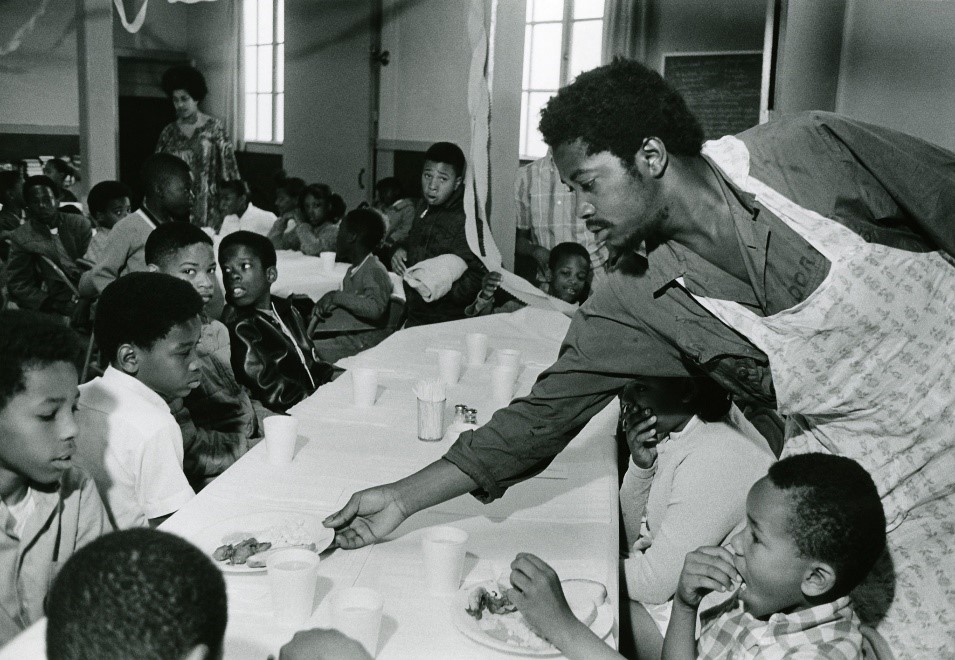
Free Breakfast for Children Program Launches

The Panthers began feeding thousands of children daily across US cities. This program exposed government neglect and demonstrated how revolutionary organizing could meet community needs faster than the state. FBI Director J. Edgar Hoover called it “the greatest threat to internal security” because it built loyalty and political consciousness.

1969
Black Panther Internationalism

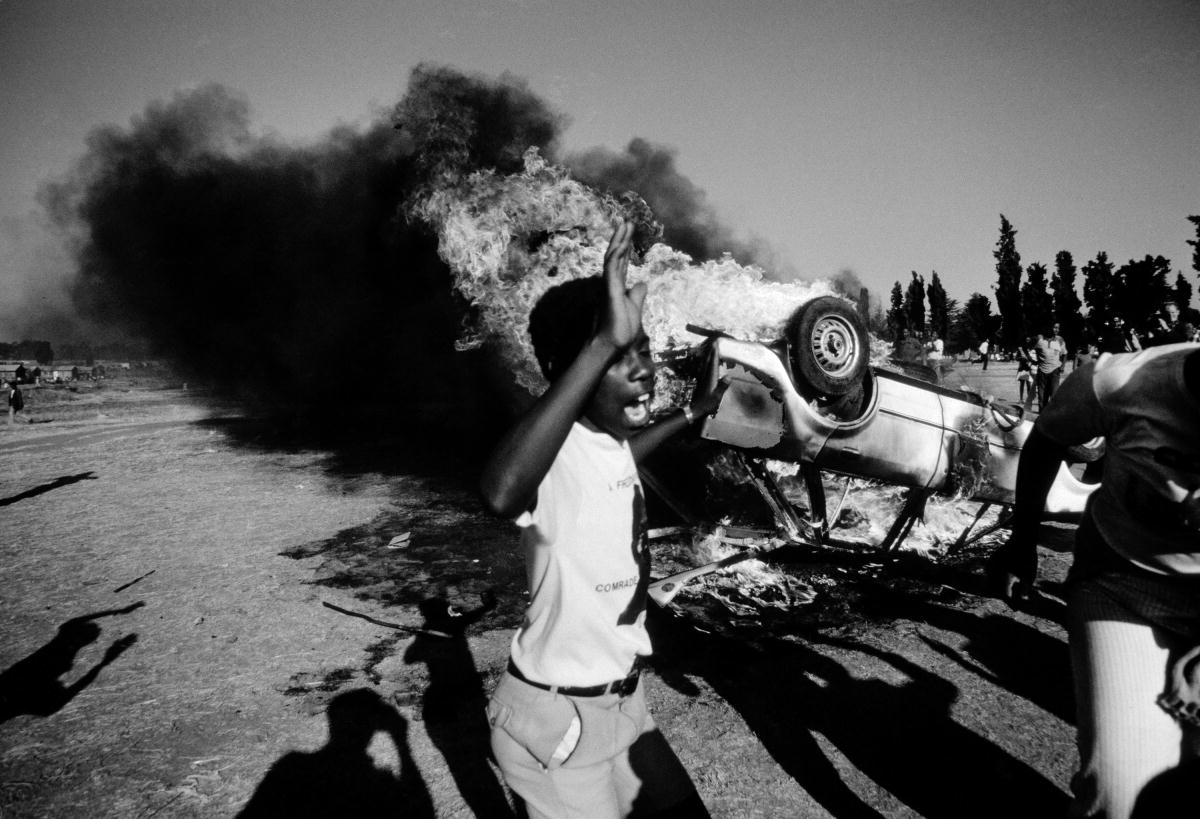
The Panthers extended their struggle beyond US borders by forming alliances with anti-colonial and socialist movements in Africa, Asia, and the Middle East. These connections positioned Black liberation as part of a worldwide fight against imperialism and racial capitalism.

1970s
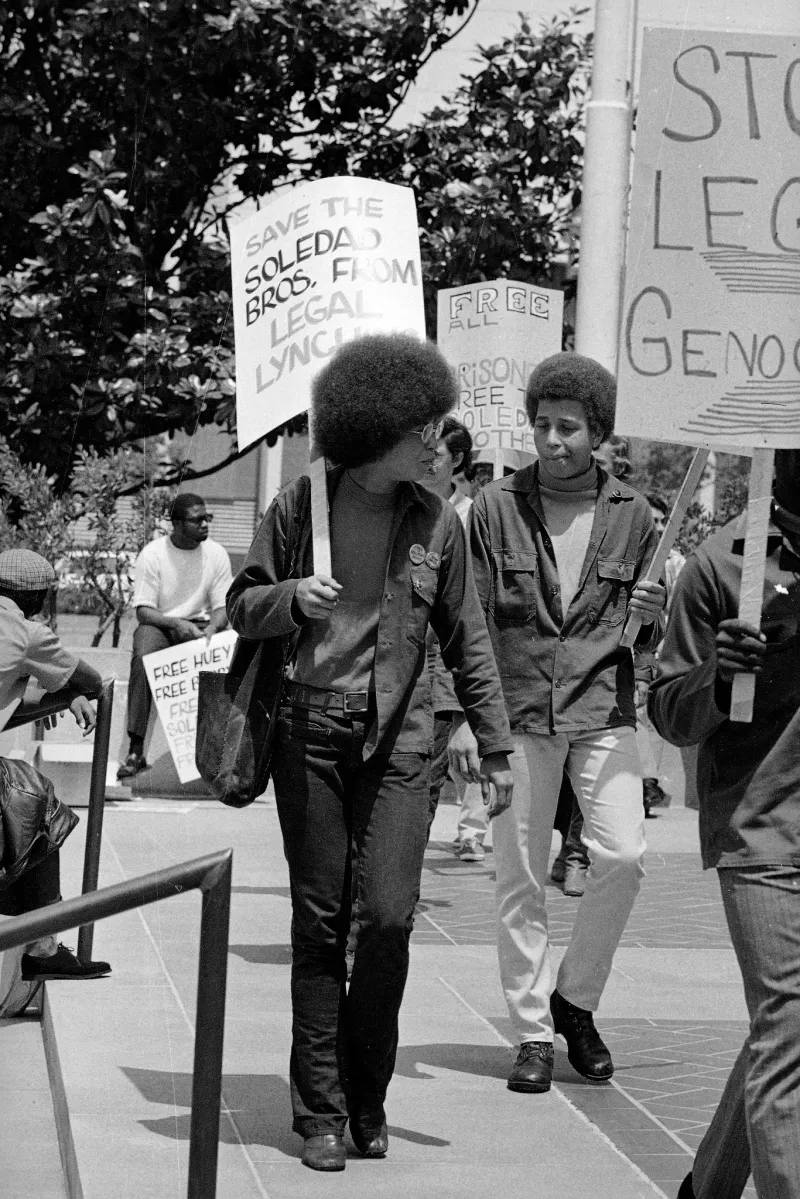
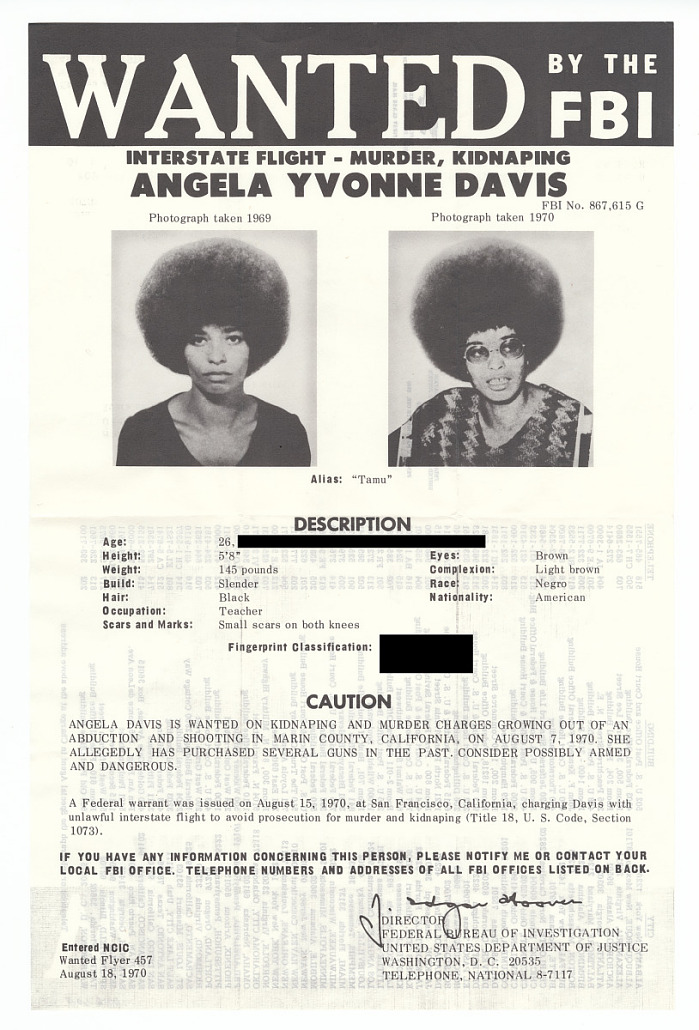
Political Prisoners and Global Solidarity (Angela Davis and Assata Shakur)

The arrests and prosecution of Angela Davis and Assata Shakur exposed the state’s use of incarceration as a tool to suppress Black Marxist organizing. International campaigns demanding their freedom mobilized activists, workers, artists, and intellectuals across continents, transforming political imprisonment into a global site of resistance and solidarity.

ICONS

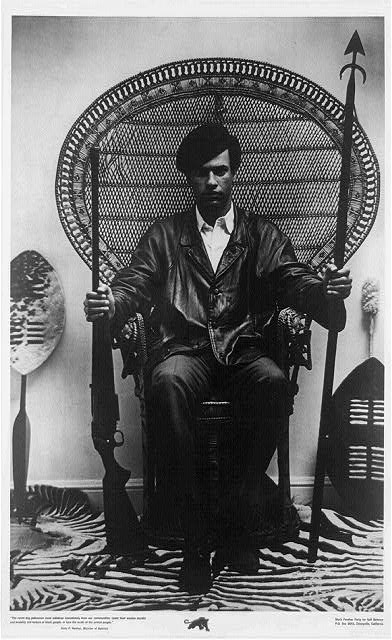
Huey Newton

Huey Newton was the co-founder and ideological architect of the Black Panther Party. As Minister of Defense, he helped establish armed community patrols to monitor police activity and co-authored the Party’s Ten-Point Program, which outlined demands for housing, education, healthcare, and self-determination. Newton’s leadership shaped the Panthers’ blend of Marxist political analysis and grassroots organizing, transforming the organization into a national force that challenged state power and redefined Black political resistance.
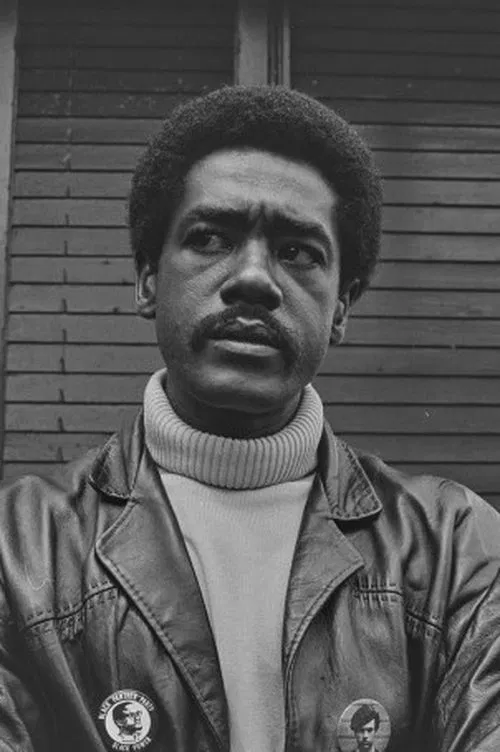
Bobby Seales

Bobby Seales co-founded the Black Panther Party alongside Huey P. Newton and served as its Chairman. He played a central role in expanding Panther chapters across the United States and strengthening the Party’s internal structure. Seale emphasized political education and community accountability, helping build the Panthers into a disciplined organization capable of sustaining large-scale social programs and coordinated activism.
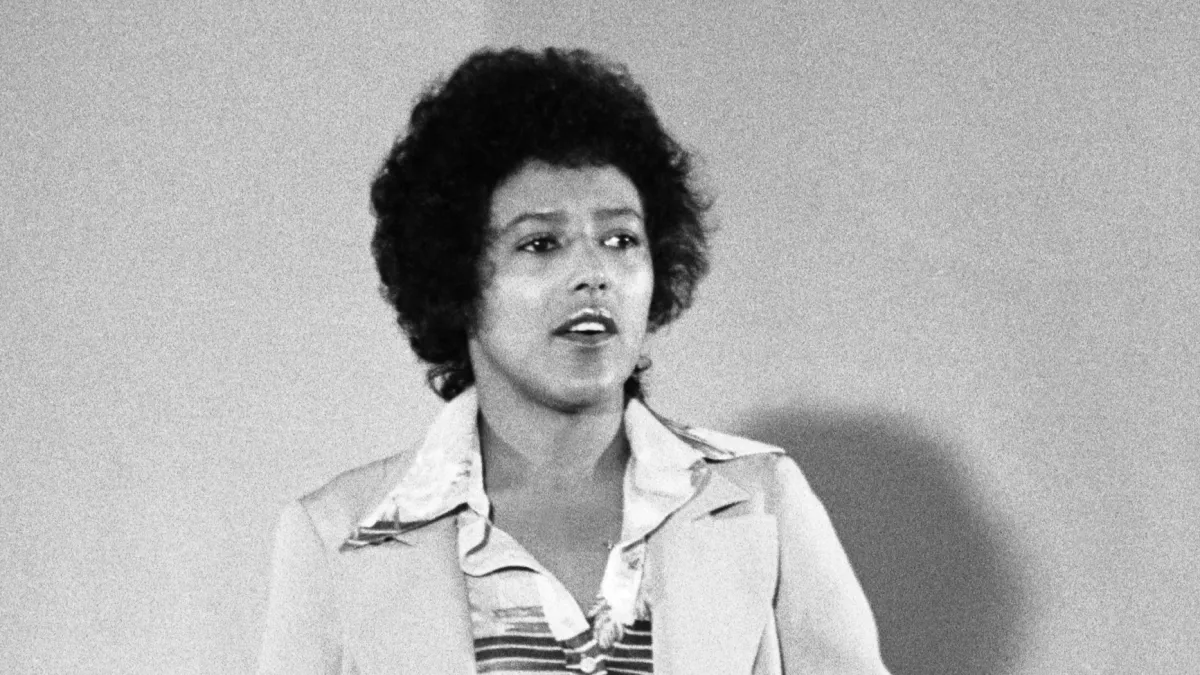
Elaine Brown

Panthers openly carried firearms into the state capitol to protest gun control laws targeting Black communities. The action forced national media attention and exposed how gun rights and state power were racially enforced.

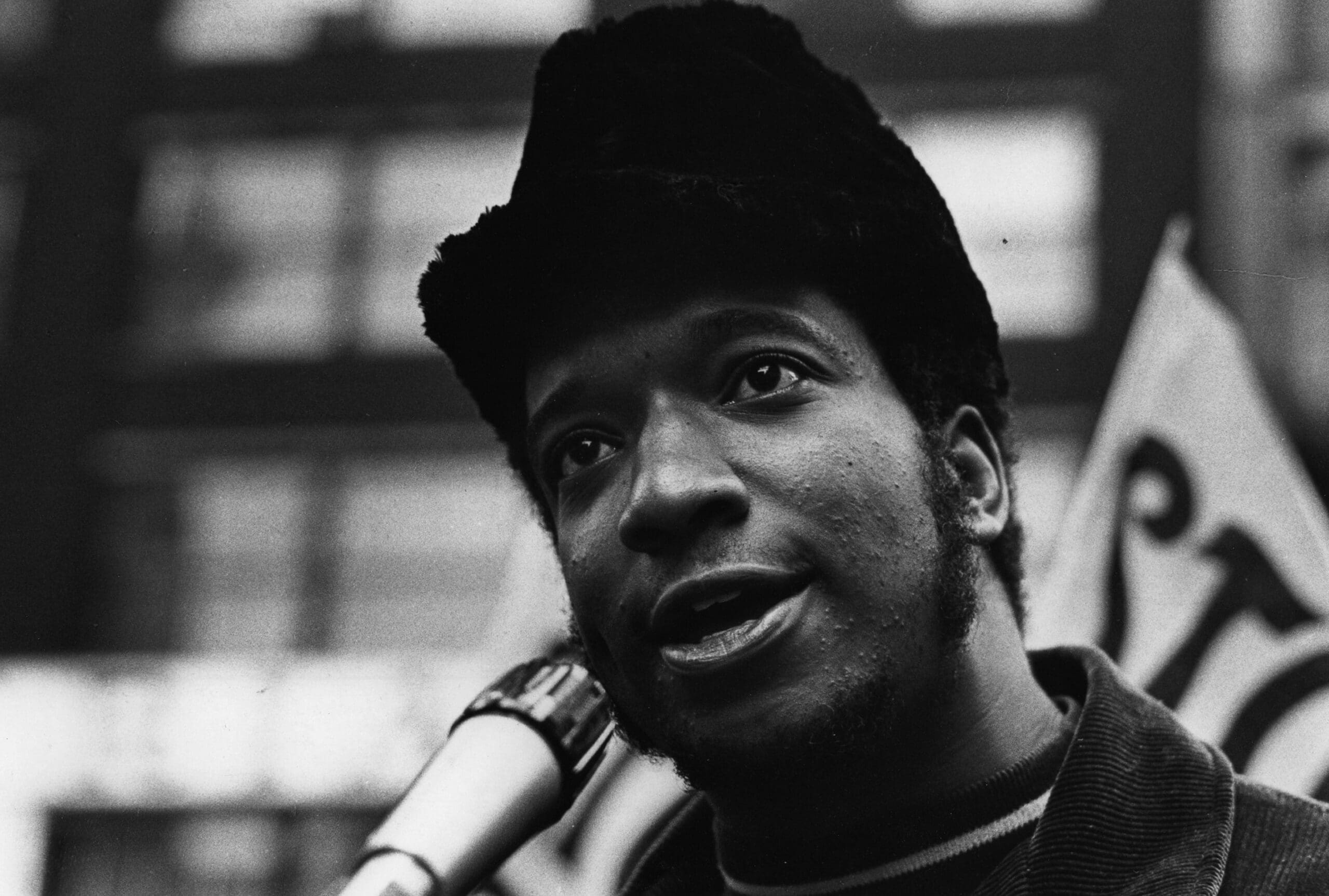
Fred Hampton

Fred Hampton served as Chairman of the Illinois chapter of the Black Panther Party and became one of its most influential organizers. He founded the Rainbow Coalition, uniting Black, Latino, and poor white working-class organizations around socialist principles and shared struggles against state violence and economic exploitation. Hampton’s ability to build multiracial solidarity made him a major target of federal repression, and his assassination cemented his legacy as a symbol of revolutionary leadership.
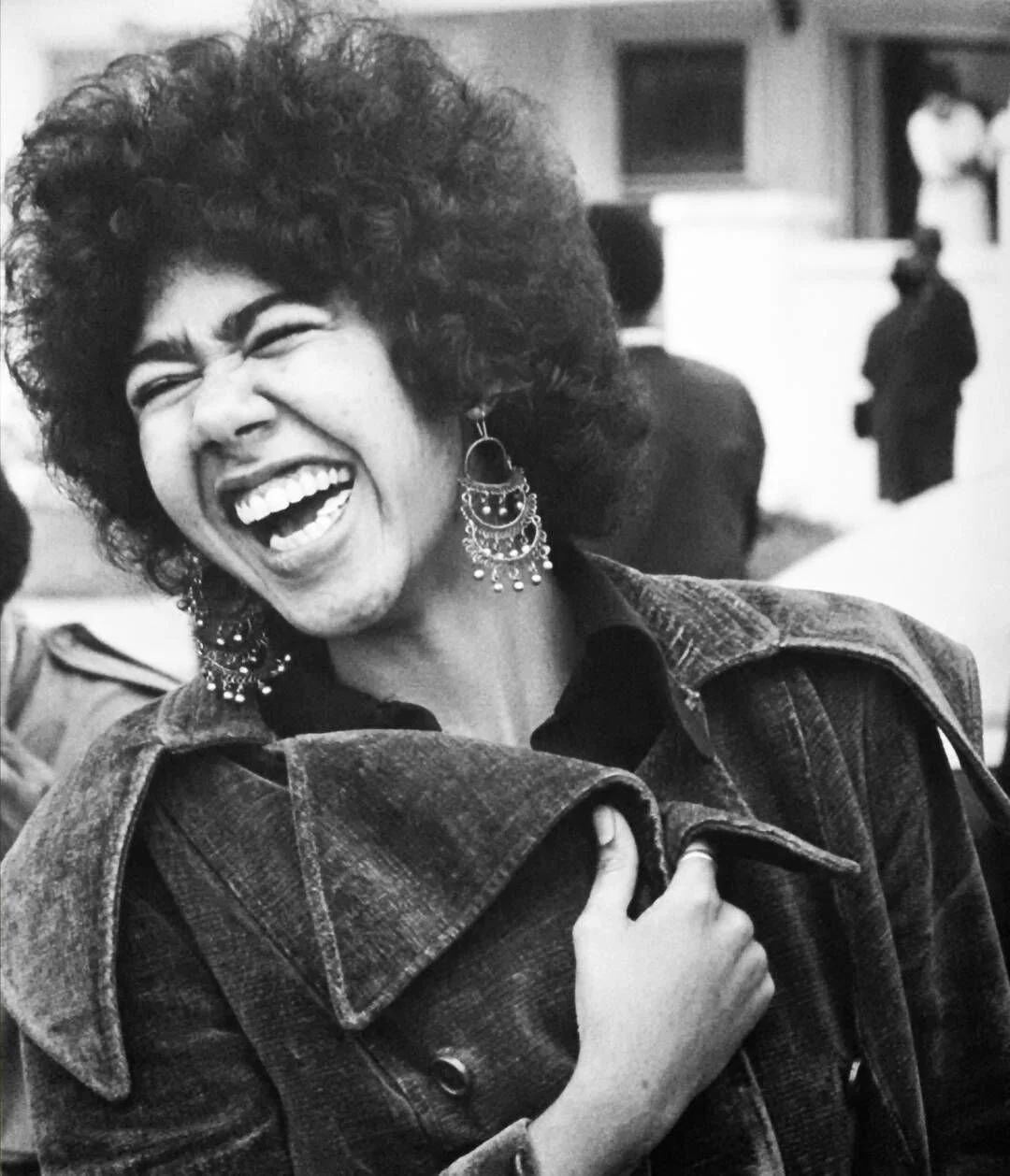
Elaine Huggins

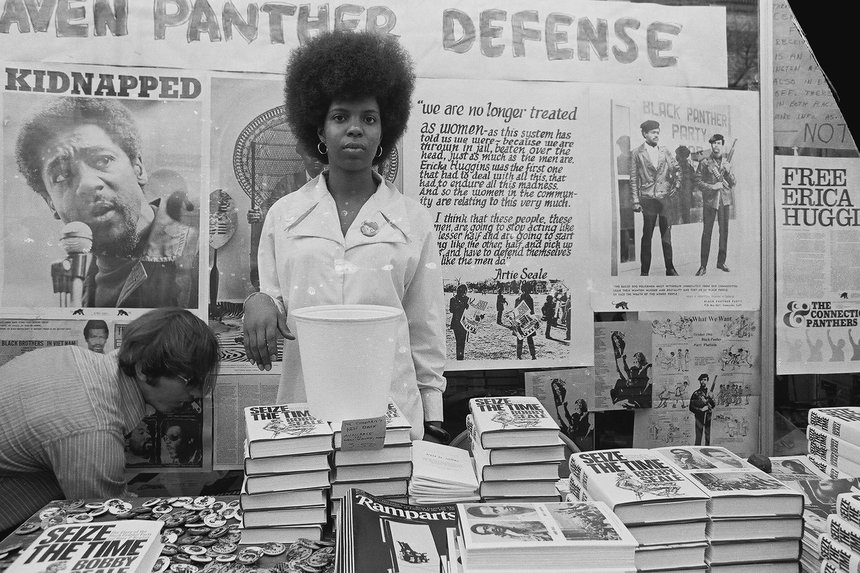
Erika Huggins was a key Panther leader, political educator, and former political prisoner who helped shape the Party’s educational and community programs. She worked to develop schools, wellness initiatives, and political consciousness-building efforts within Panther communities. Huggins’ leadership emphasized healing, care, and long-term sustainability as essential components of revolutionary struggle.

ARTIFACTS
view artifacts now

Beret from the Black Power era

Unidentified

thread on wool with vinyl, synthetic fiber and plastic

Black Marxism (1966–1970s)

Poster of Bobby Seale, Black Panther Party Co-founder

ink on paper (fiber product)

Berkeley Graphic Arts

Black Marxism (1966–1970s)

Pinback button for the Chicago Alliance Against Racist and Political Repression

Chicago Alliance Against Racist and Political Repression

ink on paper with metal and plastic

Black Marxism (1966–1970s)

Huey Newton, Black Panther Minister of Defense

Black Panther Party

lithographic ink on paper with linen backing

Black Marxism (1966–1970s)

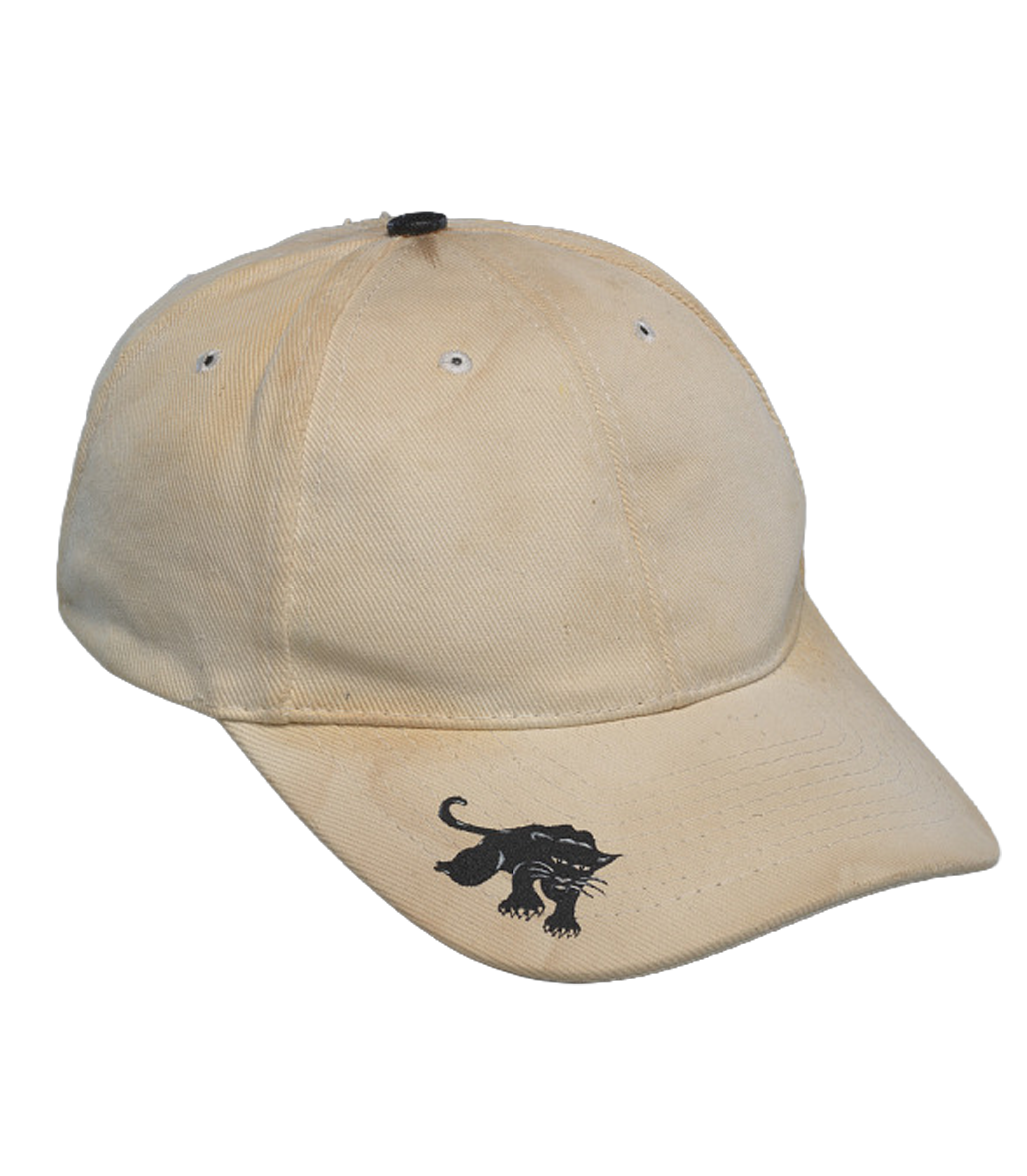
Prison issue baseball cap with black panther drawing worn by Herman Wallace

Nissin Caps & Bags

cotton (textile) and plastic with ink

Black Marxism (1966–1970s)